Прием заявок на третий сезон премии «Дар» окончен.Благодарим всех, кто принял участие.По всем вопросам обращайтесь по мэйлу.
The award supports new voices and the finest examples of
independent contemporary Russian-language literature,
promoting them in the global cultural landscape
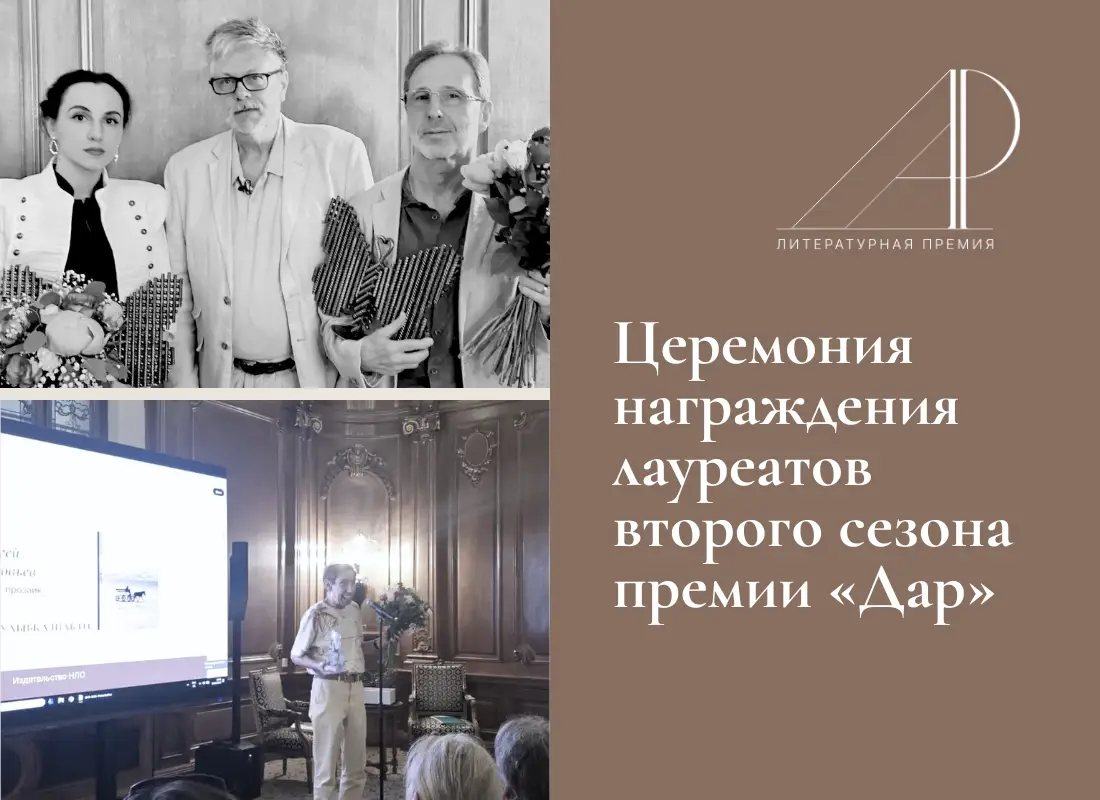
The winners of the second season are: Ksenia Buksha, Alexandra Krashevskaya and Oleg Radzinsky. They will receive grants for the translation of their works into three languages: English, German, and French. Congratulations!
Statement by Mikhail Shishkin, Chair of the Dar Prize Jury, on the results of the second season’s vote
“According to the results of the Jury vote, three books from the shortlist received an equal number of votes: “A Little Paradise“ by Ksenia Buksha, “Lullaby for Mariupol“ by Alexandra Krashevskaya, and “Days of Repentance“ by Oleg Radzinsky, and we now find ourselves in a situation where the competition has produced three winners instead of the announced two. As Chair of the Jury, I have decided that this season the Dar Literary Prize, in the form of translation grants, will be awarded to all three works that received the highest number of votes. This is a challenge for us, but we are confident that we will manage. Congratulations to the winners!”
The winner of the award is the author whose book will receive the most votes in the open voting of the Jury. The main award is a grant to translate the book into foreign languages.
Read the Sample Translations from the books of all finalists. The English translations of the excerpts were made possible thanks to the support of the WE EXIST! FOUNDATION.

The story “Parents' Day” is a vivid, poignant portrait of life during wartime, where events are intertwined with memories and reflections. Against the backdrop of a war-torn but vibrant city, the main character tries to understand and maintain a connection with his son in the midst of tragic events. Through their dialogues, internal monologues, and encounters with people, he reveals the generational conflict of worldviews, the theme of duty, personal responsibility, and love. Death for one's beliefs is a reality of our time. This book is not only a family story, but also a direct look at war, its everyday nature and cruelty. The synthesis of documentary accuracy, lyricism, and philosophical reflection transforms Parent's Day into a text that touches the deepest strings of the soul and encourages us to live when it seems that we no longer have the strength to do so.
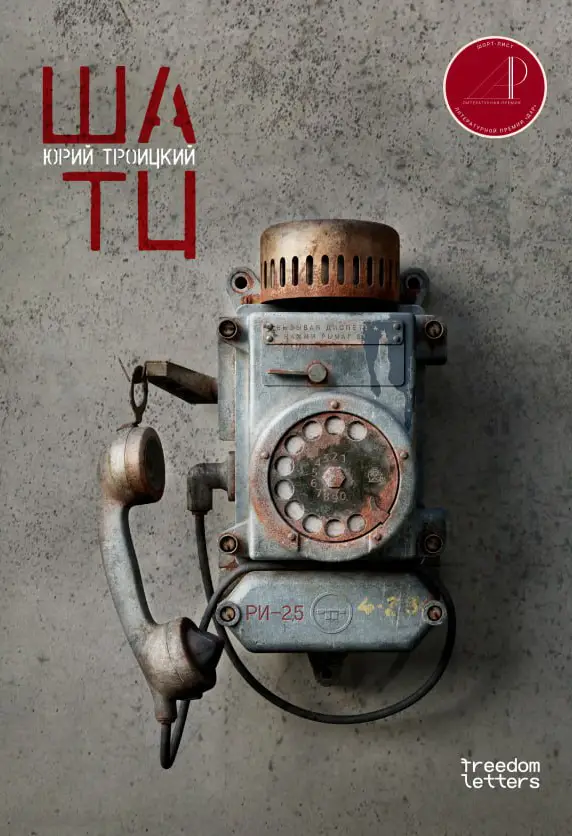
The protagonist of Yuri Troitsky's debut novel is a modern trickster. We don't know his first or last name, only the cute German word “Schatz” — “treasure” — which he and his wife use to refer to each other. Schatz is an entrepreneur who made his career in the 1990s and 2000s and regularly finds himself in various predicaments, some absurd, some dramatic, and some hopeless. Nevertheless, he manages to get out alive every time. We watch the hero grow up and come of age in the Moscow suburbs and Moscow, then we see him in Riga, London, and seaside resorts. Despite the circumstances, Schatz remains a human being everywhere, even if, like his famous predecessor, he tries to practice relatively honest ways of taking money from the population. We will see the hero for the last time on February 24, 2022, in Odessa — but, of course, this is not the end of his life...
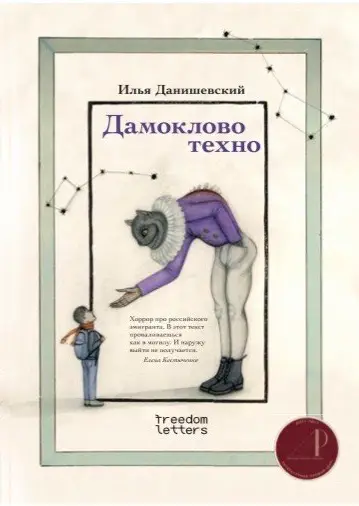
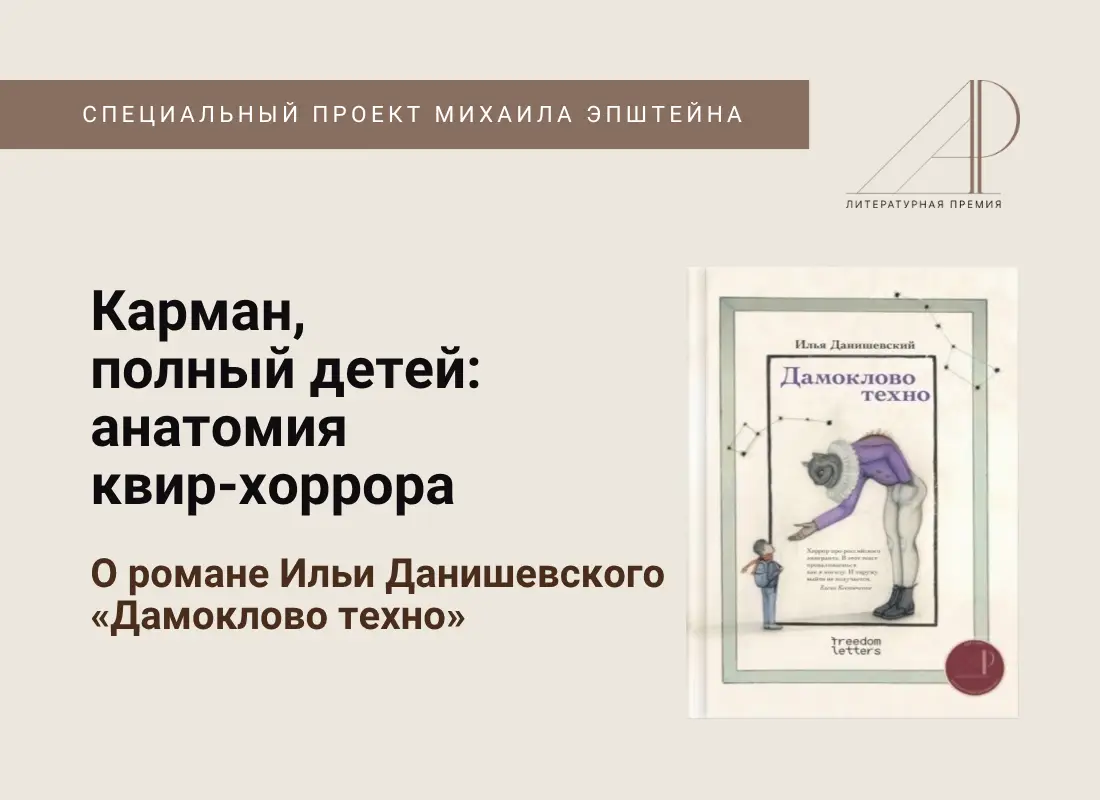
A novel in which the carefree macabre of the characters is paradoxically homologous to the complex reality, highlighting its most monstrous twists and turns, offers the reader a journey into the world under the stairs, a trip in your pocket: be brave, my friend, scratch the cat behind the ear, — there will be fairy tales capable of prolonging life (just don't stop telling them), tin girls torn apart by patrons, people with sharp edges, empty hopes, and something that, alas, even love cannot defeat this season.

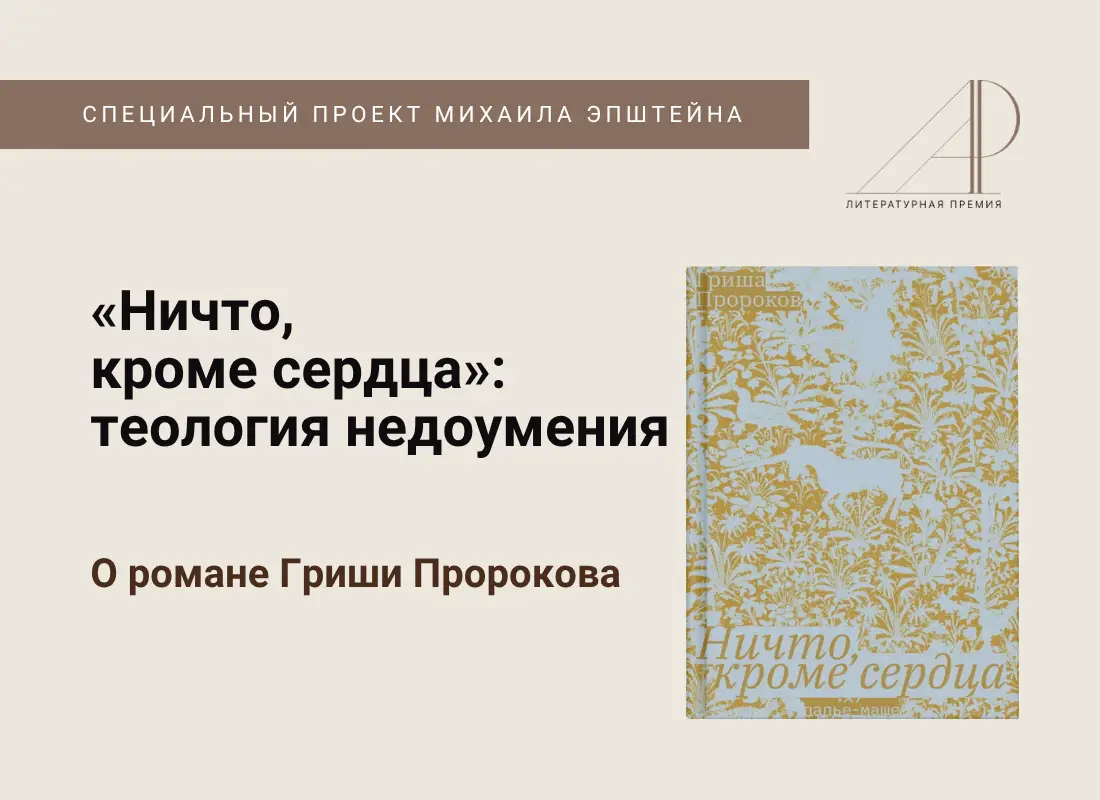
A debut autofiction novel about asexuality, aromanticism, Christianity, and one summer in Tbilisi. The narrator moves from Russia to Georgia and falls in love through correspondence with someone living in Moscow, but soon begins to ask himself questions: What is love? What does it mean to fall in love? What does he really want from people? Documenting his first summer in exile: walks around the city, hanging out in bars with friends, trips to the mountains — Grisha Prorokov explores his own experience of asexuality and aromanticism, drawing on the history and culture of Christianity: the letters of the Apostle Paul, the tapestries “Lady with a Unicorn” and the image of Mary Magdalene.

The war began on television. But it didn't stay there. A Moscow saga during Putin's war in Ukraine. The Naydenov family lived their lives, while outside their apartment windows, a different life was being lived, controlled by different people. The Naydenovs thought that's how it would always be—two parallel, unintersecting lives in one country. Or two countries—their own private one and the rest of Russia. Then the war started, and everything changed. Now they had to decide whether to run or fight. Or try to put back together what the war had broken. The war started on TV. Then the tanks rolled off the blue screen and into our apartments. Along with the war.
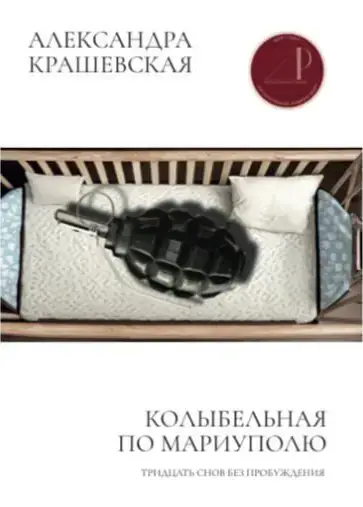
Spring 2022 in Mariupol. This book immerses the reader in the events of that time. Amidst rocket fire, the voice of a young woman can be heard, sometimes calm and hopeful, sometimes breaking into a desperate cry. We are presented with a kaleidoscope of images of unbearable reality. After what she has been through, the author manages to do the almost impossible — to keep hope alive.

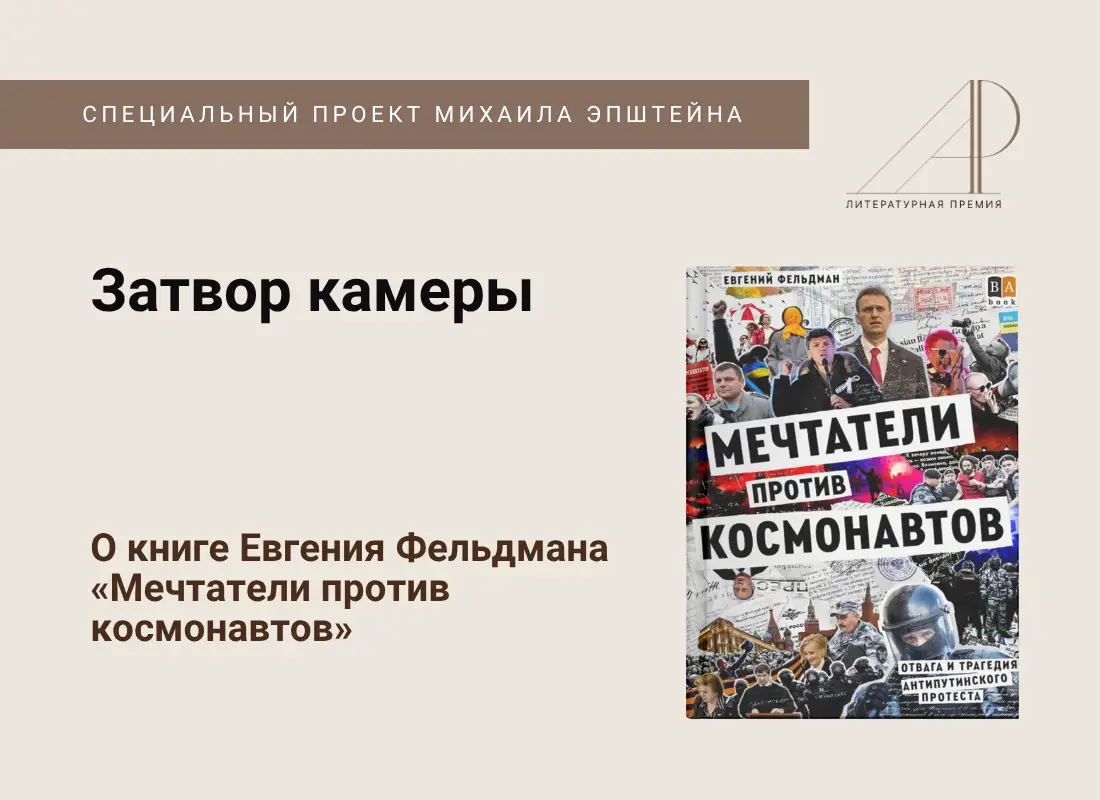
You have seen Yevgeny Feldman's photographs, even if you don't know who took them. The panorama of the rally on Bolotnaya Square, Alexei Navalny with his “dosirak” and on his way to the Central Election Commission, clashes with Berkut on Maidan, the “parade of prisoners” in Donetsk, the human chain in Minsk — Feldman's photographs capture an entire era, and no one else has seen so many of its key events from such close quarters. In just a few years, the teenager who used to go to punk concerts with his camera became Russia's most famous documentary filmmaker — and the country descended into brutal repression and full-scale war. To honestly show the main stages of this journey, Feldman risked his life many times and broke the rules. Therefore, the book in which he talks about his work reads both as a tragedy and an adventure novel.

"...The first rupture of war. You still don't understand, don't realize what war is. You still think it's a local event that will freeze in history, in your own memory, as a vivid episode that you can later recall as a tragicomic curiosity. You don't yet know that at this very moment your world has shattered into thousands of shapeless, ugly fragments. A person's world ceases to be a coherent story and falls apart into episodes — sometimes disjointed, random — in which old friends and acquaintances are often lost, but new shadows of a new reality appear.

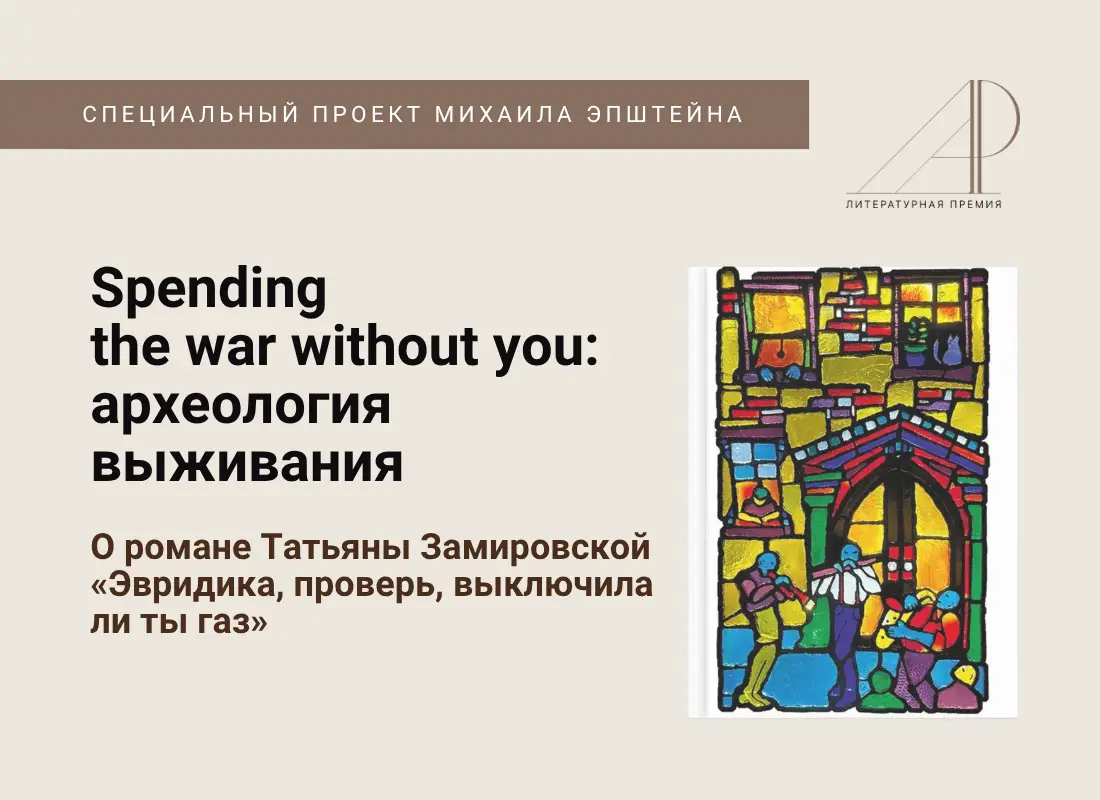
Tatyana Zamirovskaya's first non-fiction book is a collection of essays, memories, and reflections on memory and forgetting, music and love, emigration and ties to Belarus through the ghostly identity of a person who once believed that music is stronger than death and text is more important than life. The book originated from a long essay about experiencing the war in Ukraine, “Spending The War Without You.” , in which I describe the year 2022, when I was working in news (Voice of America), experiencing intense emotional detachment, and going to all the concerts of my favorite musicians from my youth in order to feel alive again and relearn how to cry.

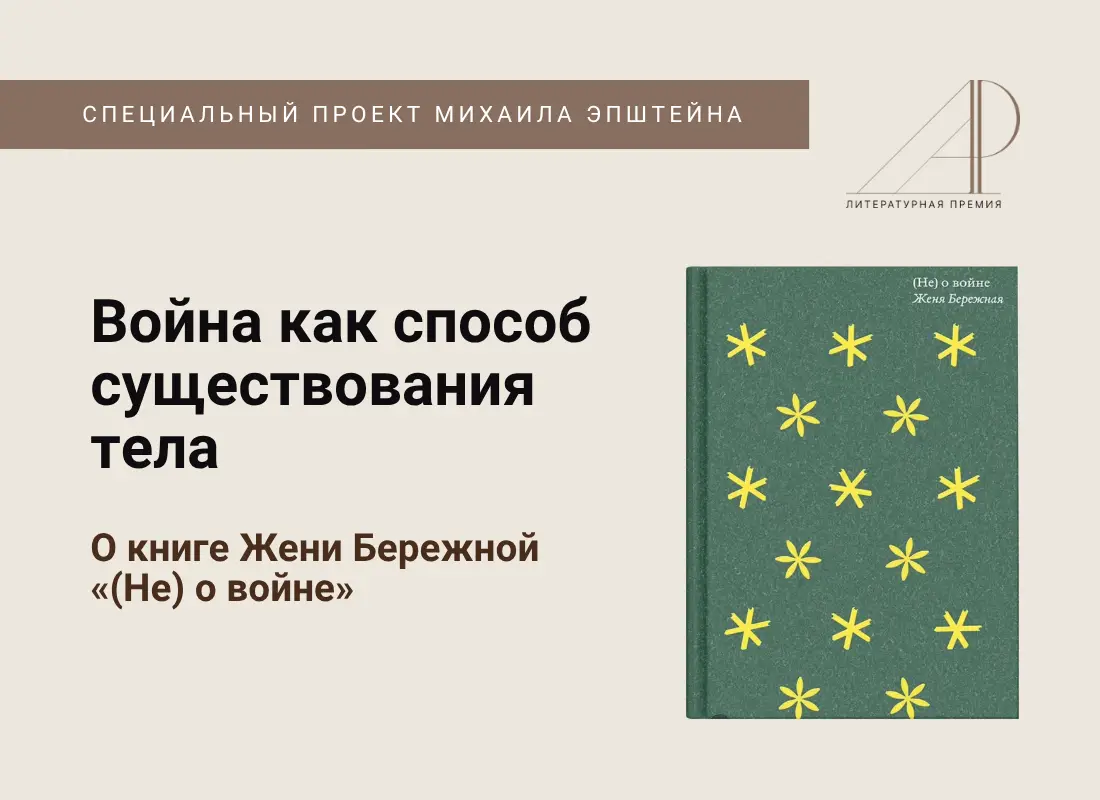
On February 24, 2022, Ukrainian Zhenya Berezhnaya woke up to a call from her relatives in Kharkiv: war had begun. Her familiar life in beloved Kyiv, where Zhenya wrote fairy tales for adults, taught, and hosted a podcast about literature, was over. Sirens and nights spent in basements, evacuation, fleeing, the loss of a loved one, attempts to rebuild her life in a new country — all this is described in Berezhnaya's autobiographical novel (Not) About War. This book is not really about war — it is about the experience of overcoming trauma, about how, thanks to creativity and the support of caring people, there is a place for freedom, love, and hope in a terrible reality.
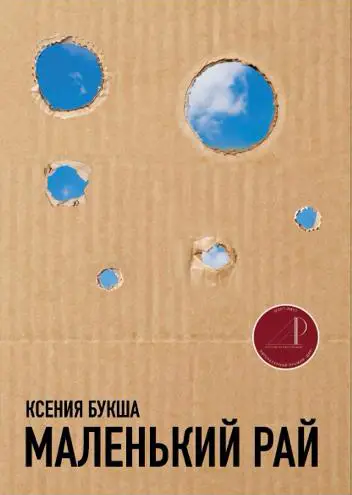
«Маленький рай» — первая в истории продолжающейся войны попытка рефлексивно заглянуть в будущее: а что будет через 15 лет после её окончания?

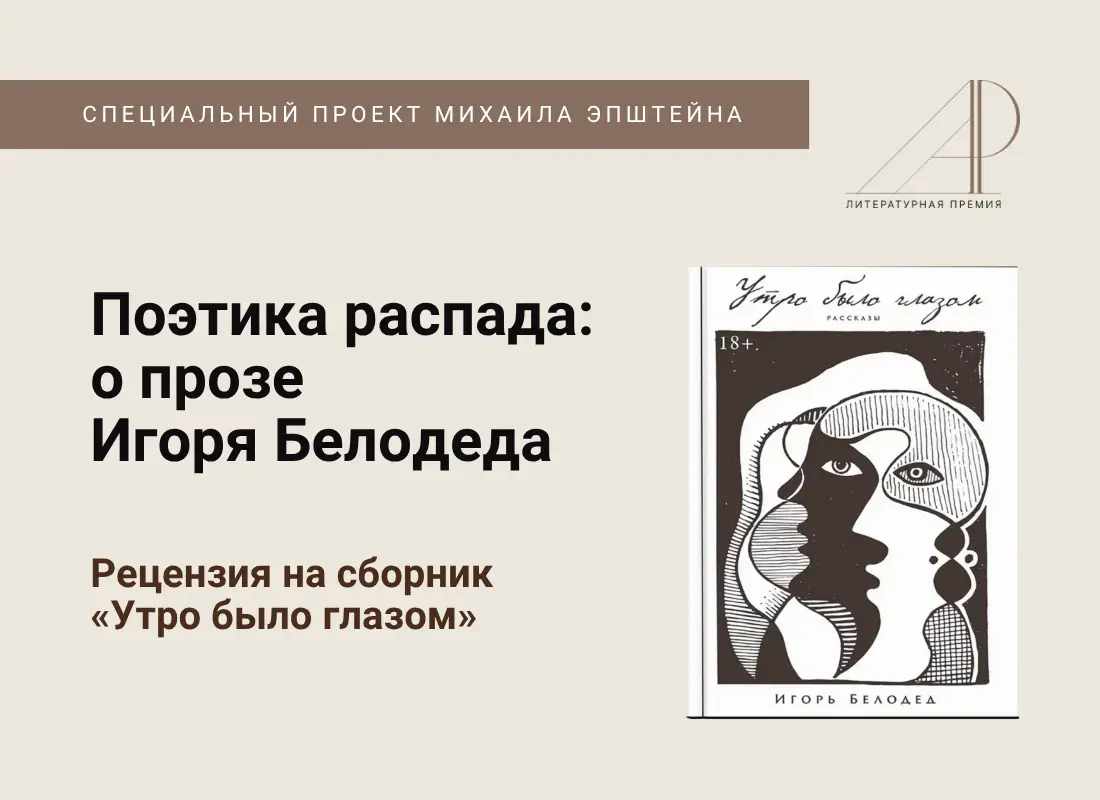
In the collection of short stories “The Morning Was an Eye” by Igor Beloded, a semi-finalist for the Big Book Award, there are, on the contrary, plenty of oddities. Igor Beloded, as can be seen from his novel The Great Mother, published by RIPOL Classic, and the collection of short stories Don't Talk About Him (Alpina.Proza, 2023), is more of a “writer for writers” than a writer for readers. However, in the short story format, the complexity beloved by the author takes on a concentrated form. Beloded's stories are like a mixture that can and should be taken in one gulp. Two stories a day, seven days a week, for a successful course of treatment for a lack of beautiful literary language and (straight) linearity of time.

Mikhail Edelstein
Literary scholar
Evgeniya Vezhlyan
Poet, literary critic, essayist, literary scholar and sociologist of literature
Elizaveta Birger-Eroğlu
Philologist, translator, literary critic, curator of cultural events, and manager of the bookstore "Poltory Komnaty" in Istanbul
Nikolai Aleksandrov
Cultural and literary scholar, essayist, journalistThe award was created to support and promote authors writing in Russian, regardless of their place of residence and citizenship. We strive to draw attention to new voices and the best examples of modern Russian-language literature. The Prize strives to create a new one, where literature in Russian takes its rightful place in the world, being responsible to humanity, and not to dictatorships.
Read the Award Guidelines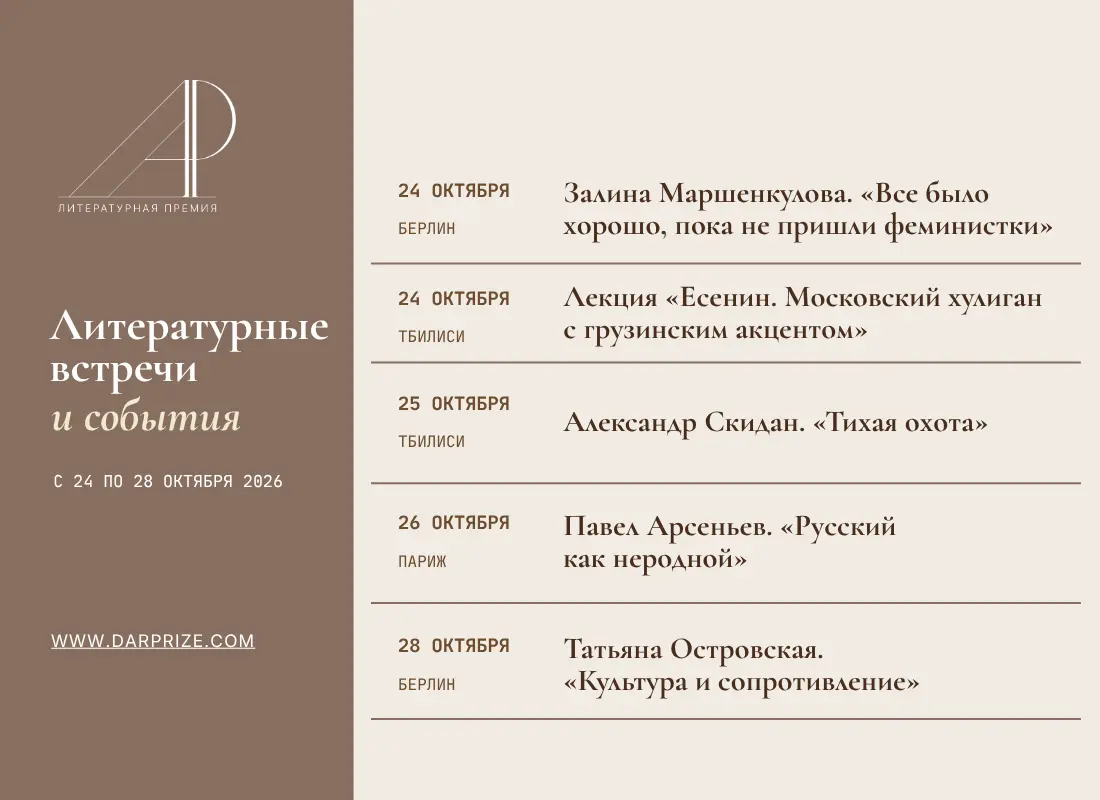 Event
Event
Literary Events and Book Talks, October 24–28
 Event
Event
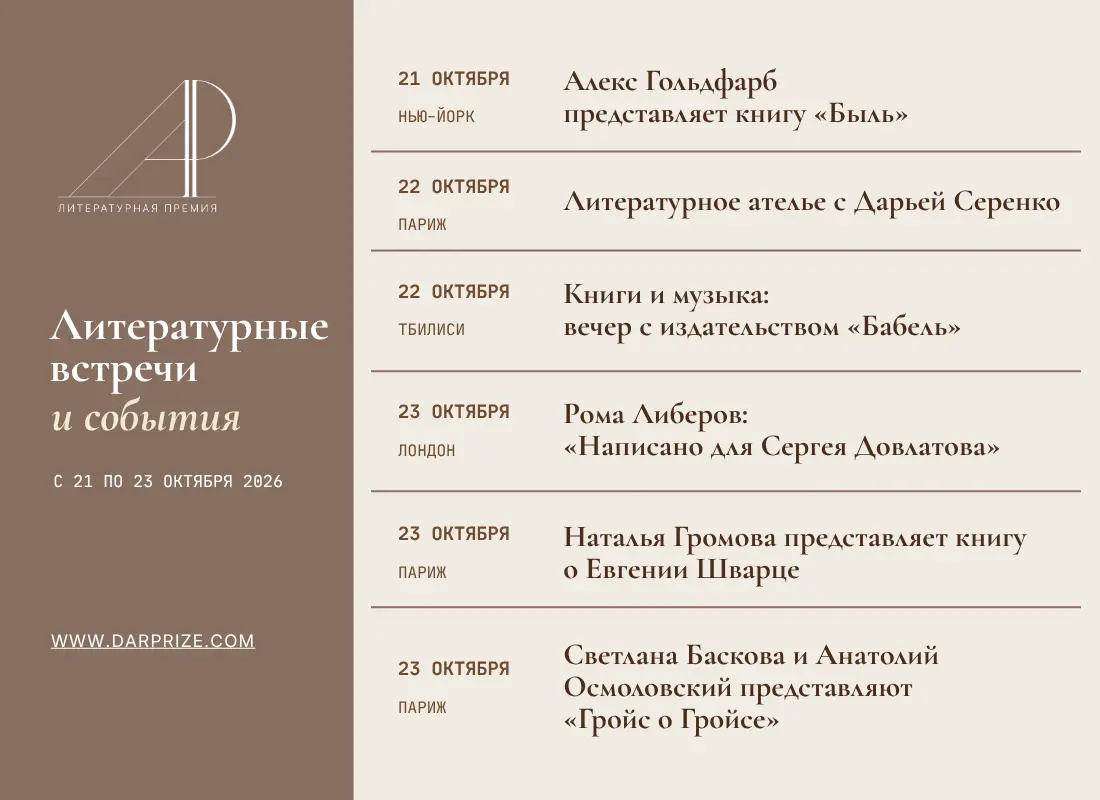
Literary Events and Book Talks, October 21–23
 Event
Event
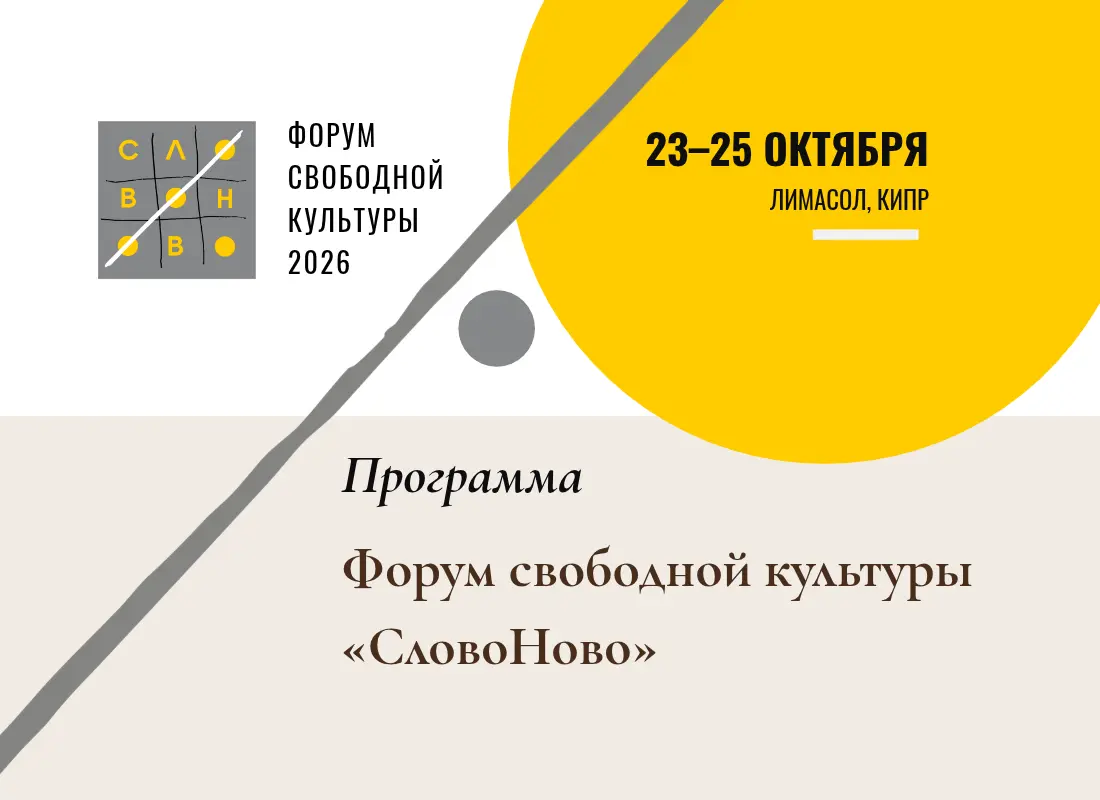
SlovoNovo Forum of Free Culture Comes to Limassol, 23–25 October
 Event
Event
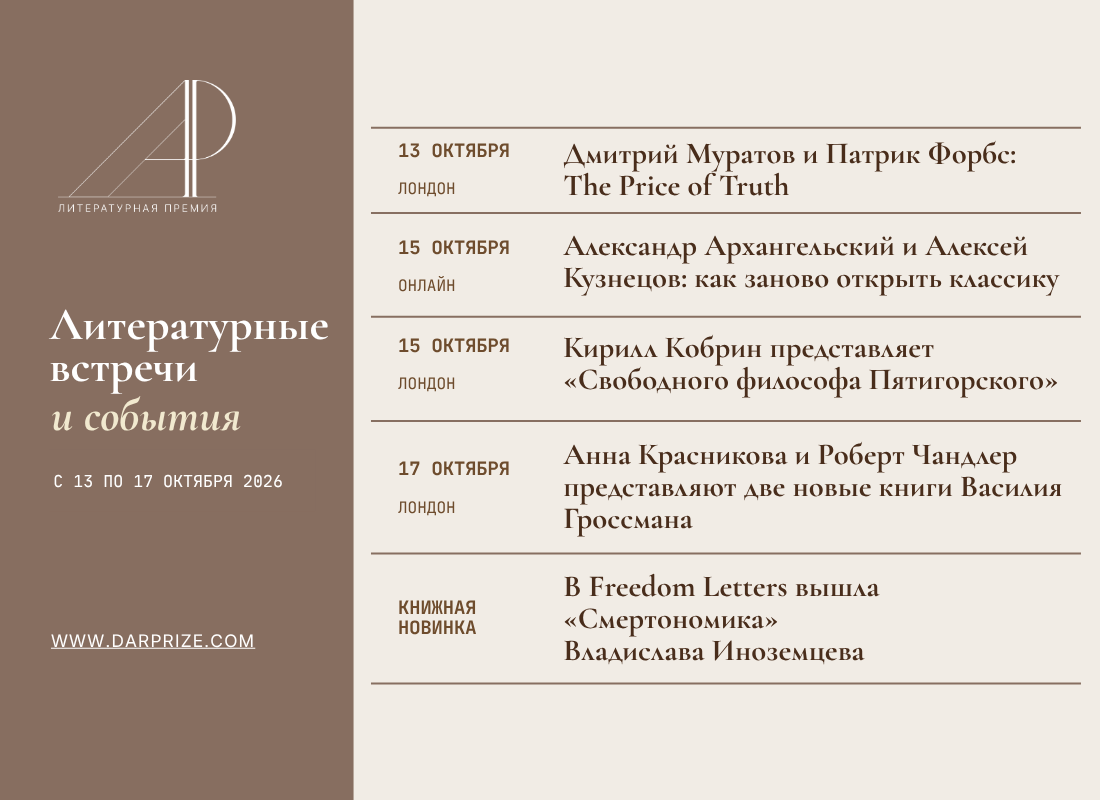
Literary Talks and Events, 13–17 October
 Event
Event
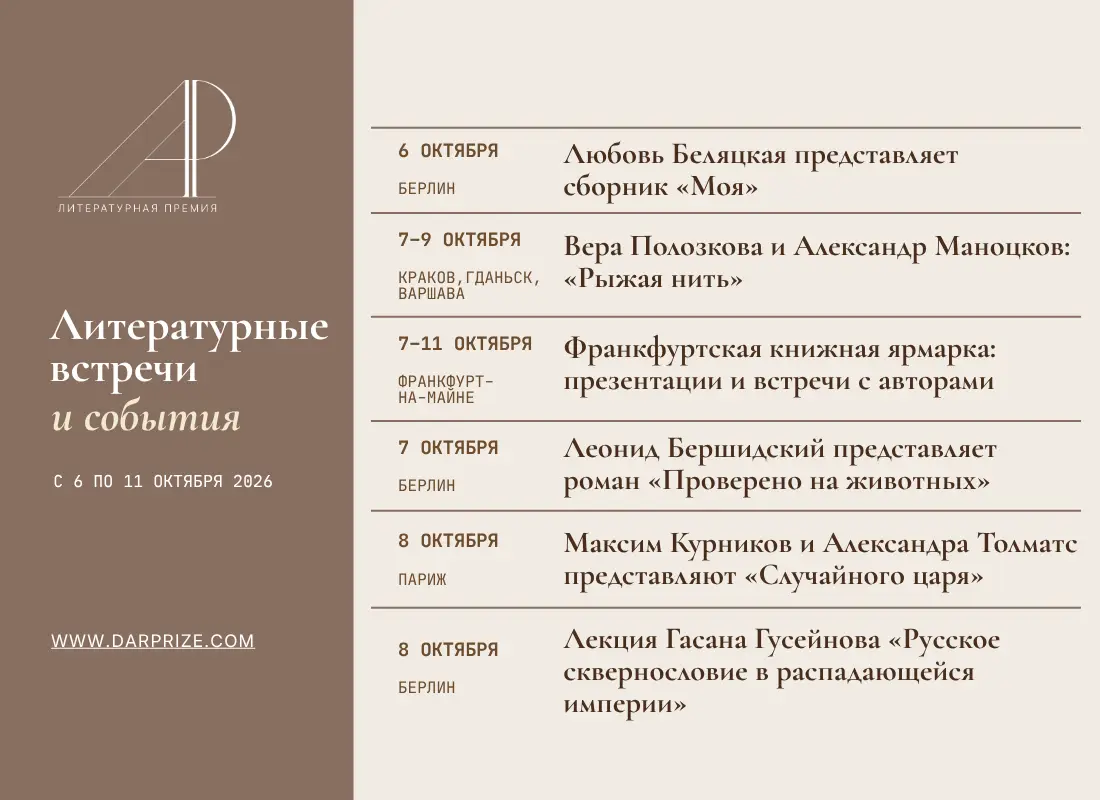
Literary Events and Author Talks, 6–11 October
 Event
Event
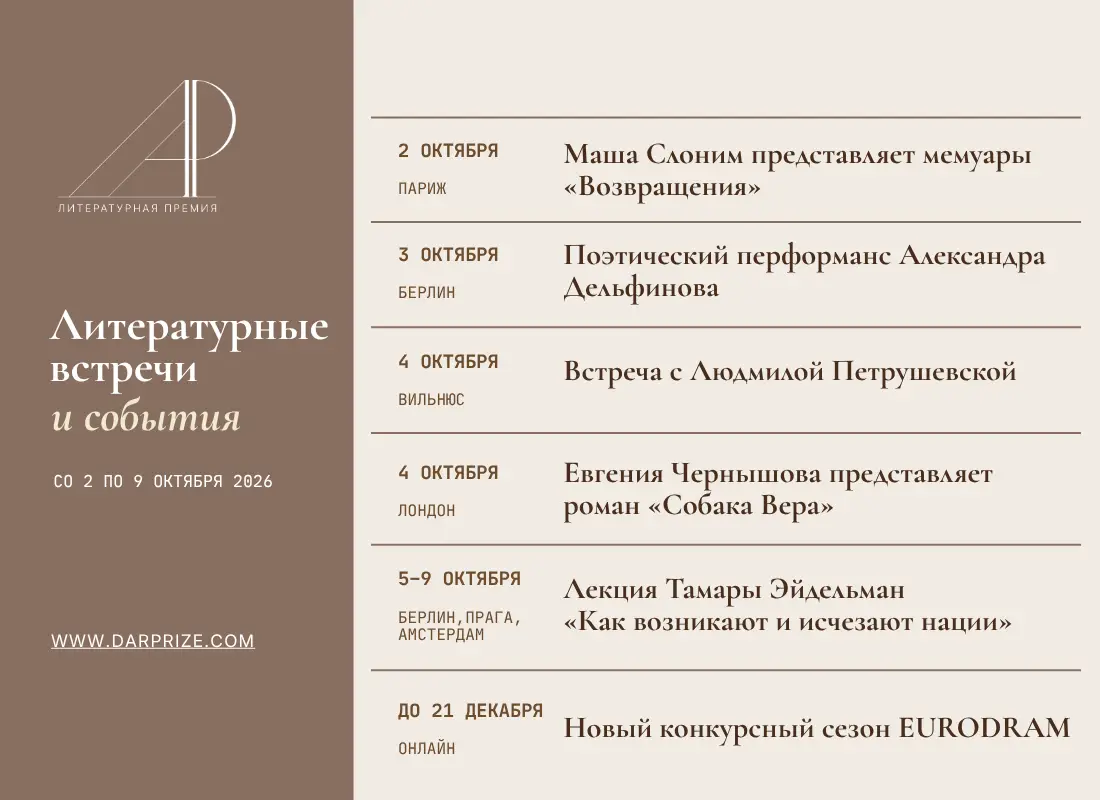
Literary Events and Author Talks, 2–9 October
 News
News
The 2026 Prosvetitel (Enlightener) Prize Shortlist Announced
 Event
Event
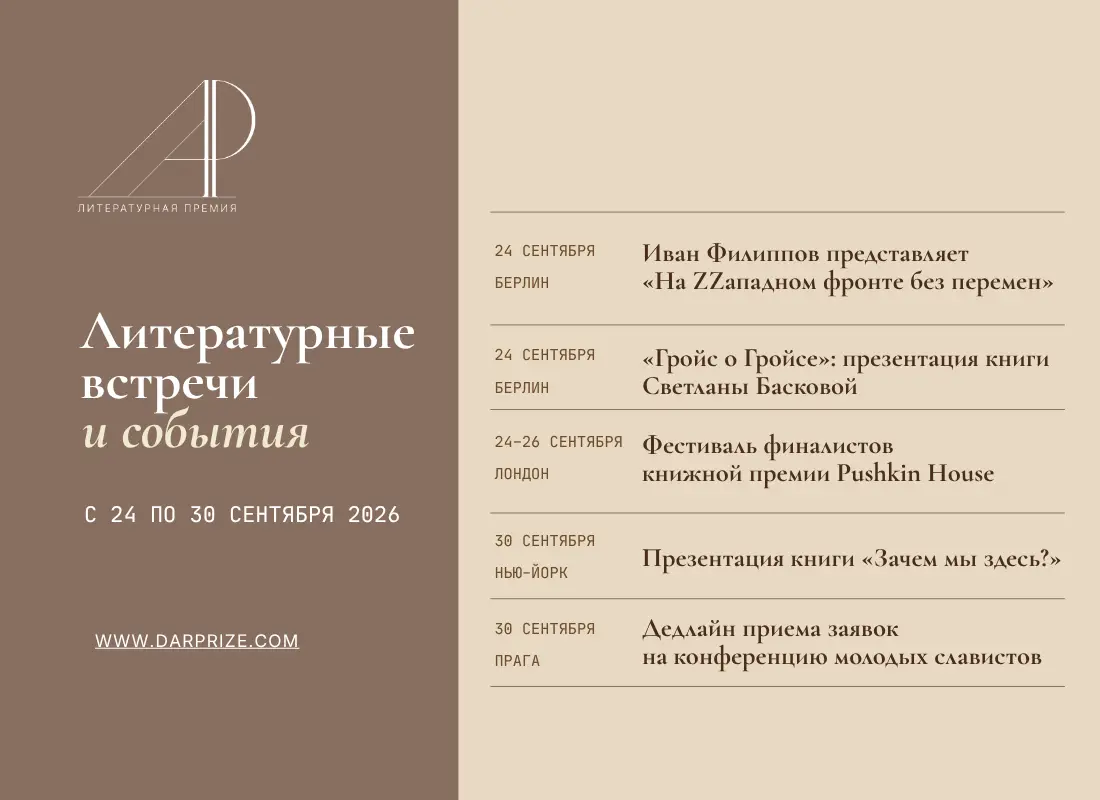
Literary Events and Author Talks, 24–30 September
 News
News
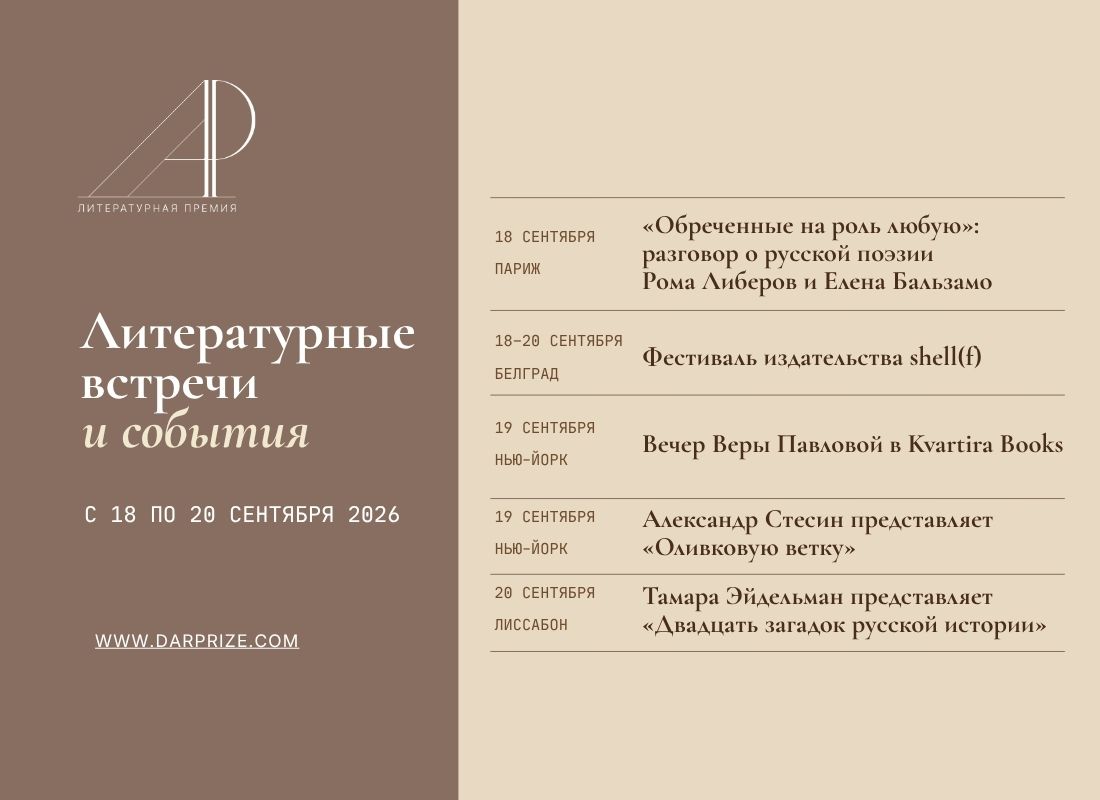
Literary Events and Author Talks, 18–20 September
 Event
Event
Prague Book Tower Programme: Meeting with the Dar Prize Laureates on September 11
 Event
Event
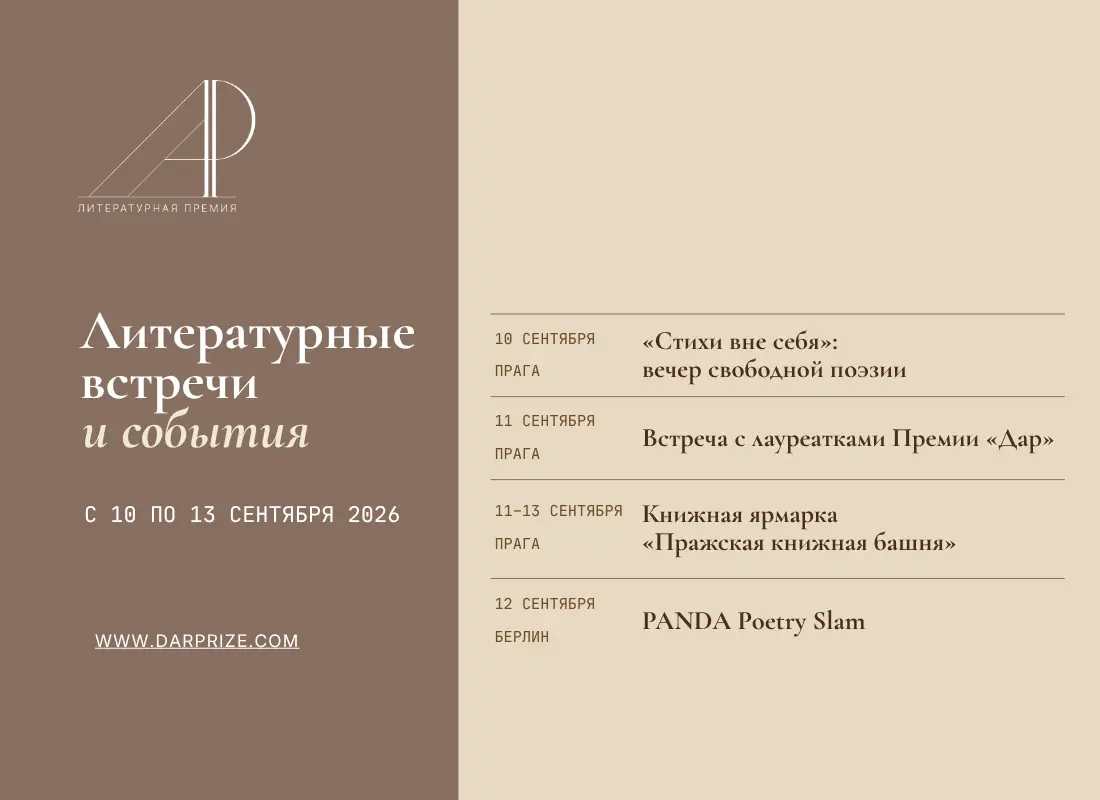
Literary Events and Author Talks, 10–13 September
 Book
Book
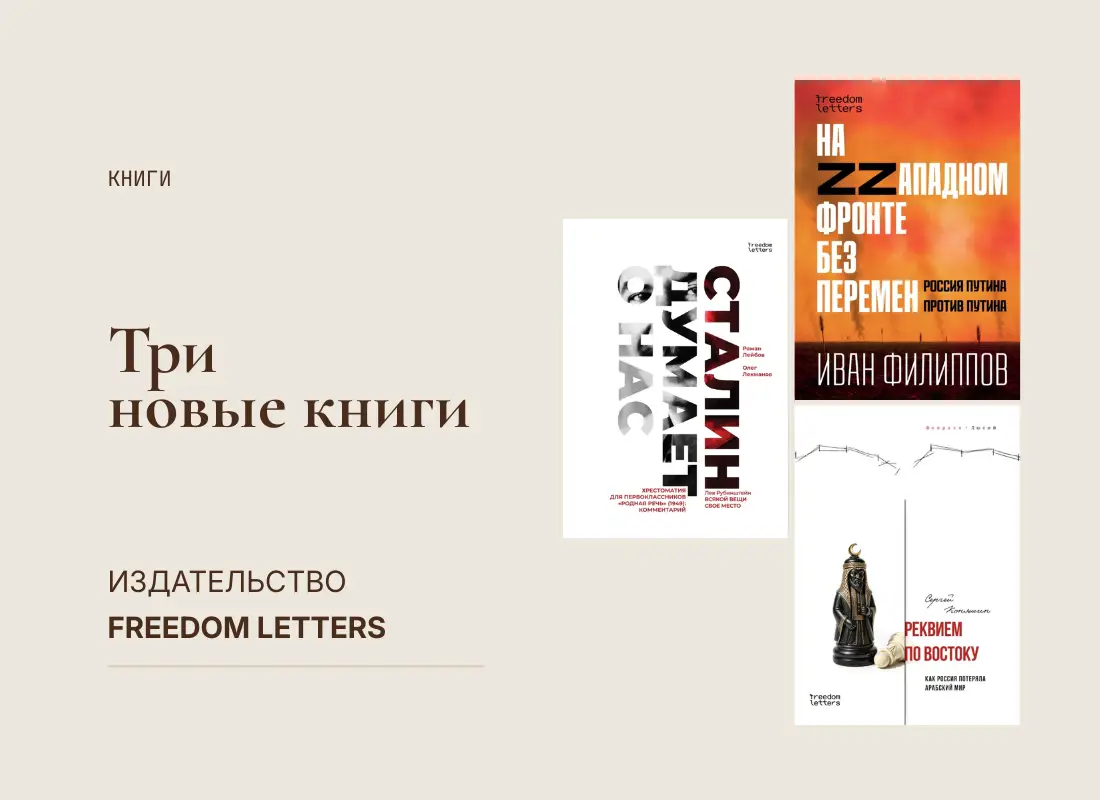
Three New Books from Freedom Letters
 Event
Event
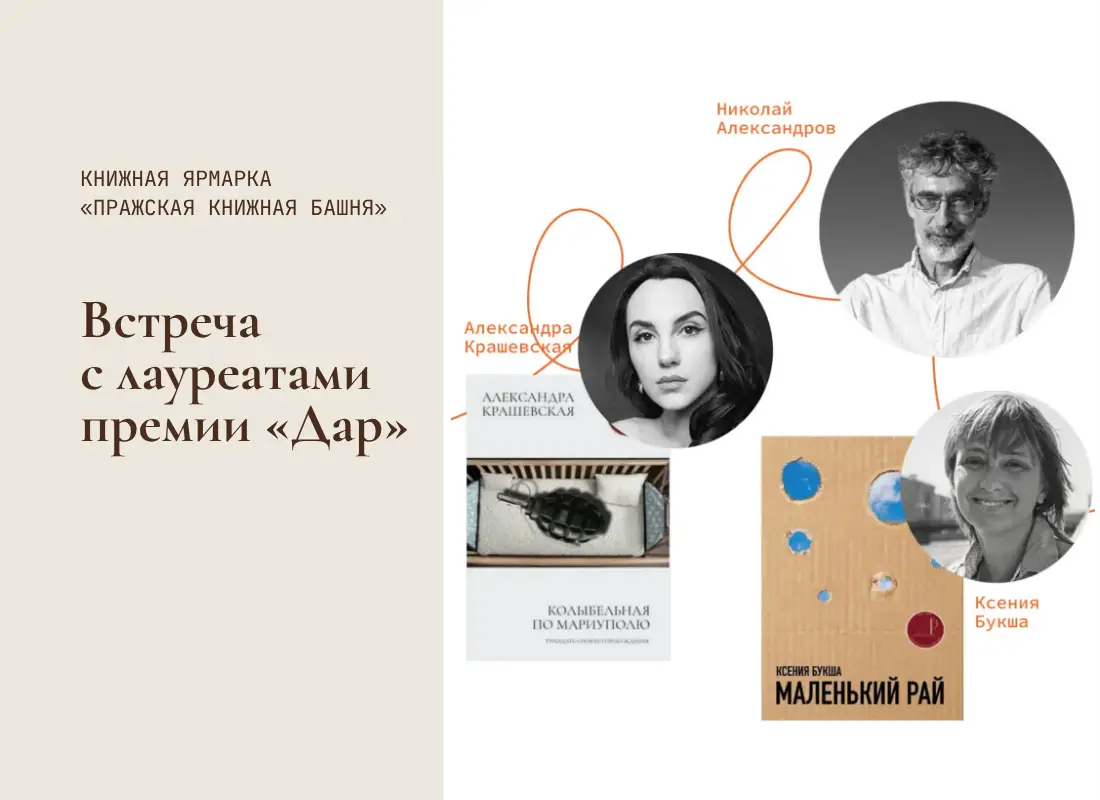
September 11: Meeting with the "Dar" Prize Laureates at the "Prague Book Tower"
 Event
Event
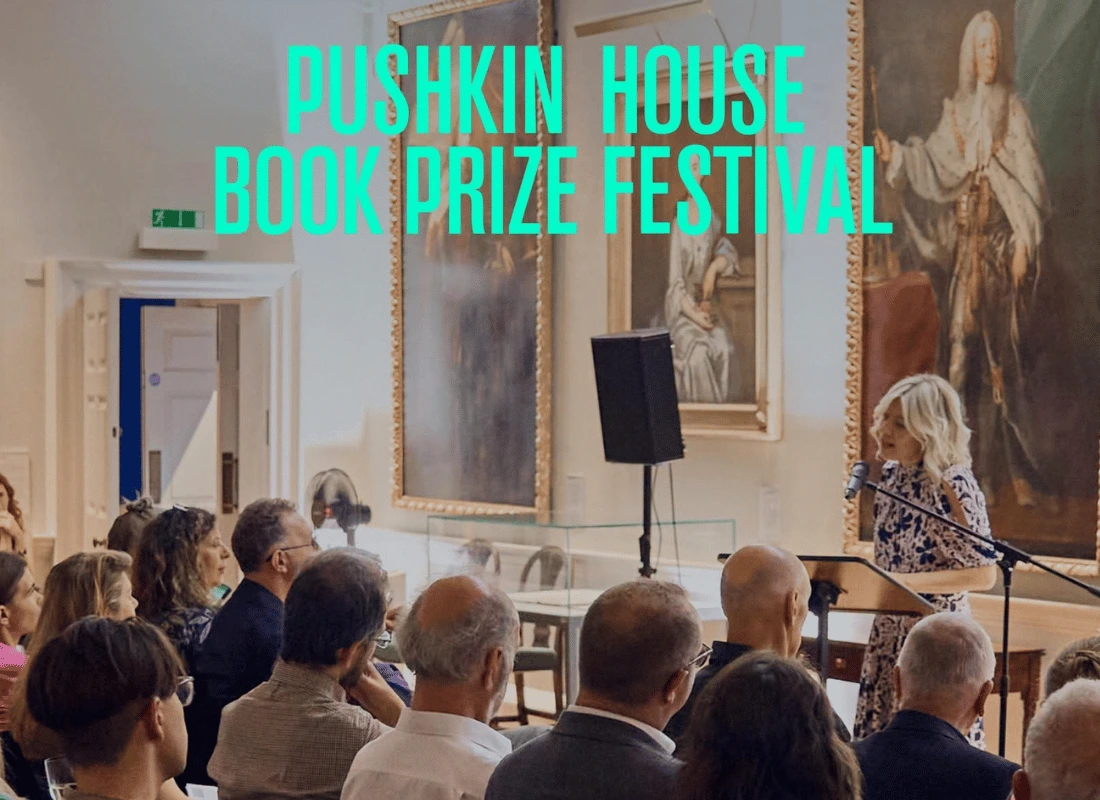
Pushkin House Literary Festival to Take Place in London on 24–26 September
 Book
Book
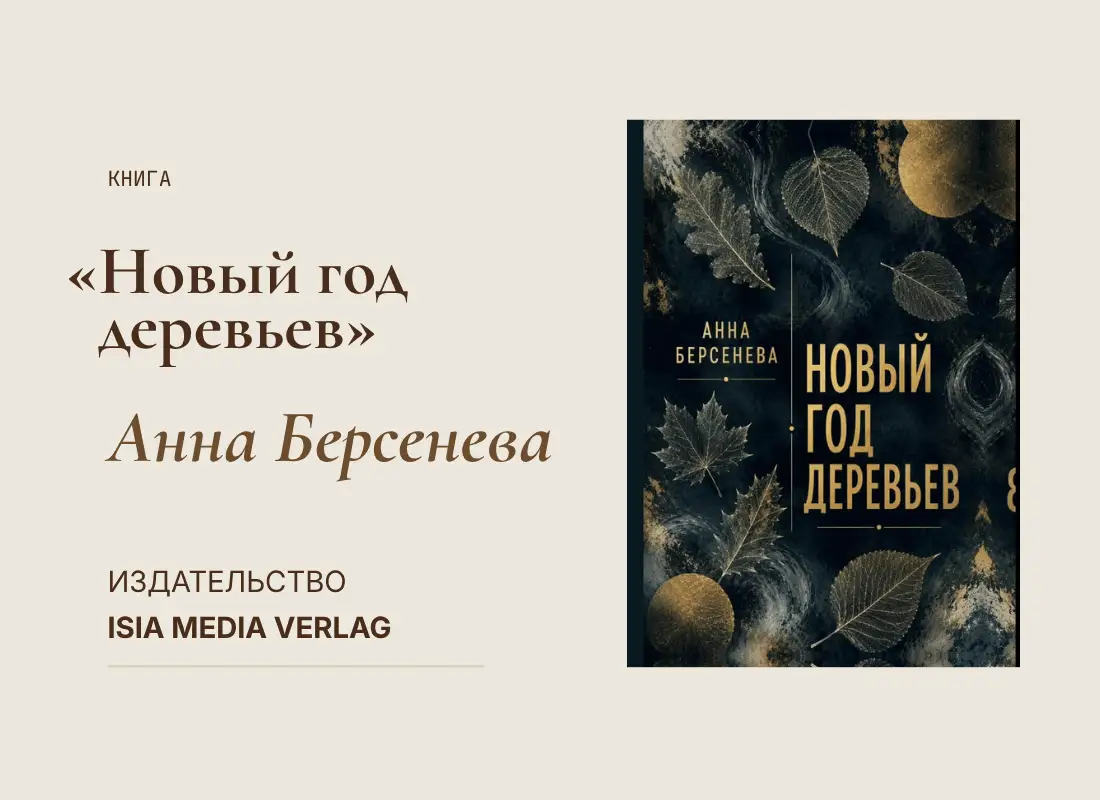
Anna Berseneva’s New Novel "The New Year of Trees Is Out Now"
 About Dar Prize
Literary Hub Publishes an Article About the Winners of the Dar Prize
 Event
Event
Literary Events, August 16–22
 Event
Event
Literary Events and Talks, August 7–11
 News
News
The Third Prague Book Tower Will Take Place September 11–13
 News
News
A New Independent Publishing House, NORMA, Launches in Serbia
 Event
Event
Literary Events and Author Talks, July 23–26
 Book
Book
A New Book by Andrey Krasnyashchikh, “Still Burning,” Has Been Published by Freedom Letters
 News
News
Submissions Are Now Open for the Third Season of the Dar Literary Prize
 Interview
Nikolai Alexandrov on Literature, Criticism, and the Contemporary Literary Process
 News
News
Dekoder Has Published a Translation of an Excerpt from Ksenia Buksha’s Novel “A Little Paradise”
 News
News
Dekoder Has Published a Translation of an Excerpt from Oleg Radzinsky’s Novel “Days of Repentance”
 Video
Video
Konstantin Rubakhin on Freemasonry, the Museum of Freemasonry, and the book “Line of Contact”
 News
News
Literary Meetings and Events, July 10–11 News
 Video
Video
Mikhail Shishkin on the Dar Prize and the Future of Russian Literature
 News
News
Long lists for the 2026 Prosvetitel and Prosvetitel.Translation Awards announced
 News
News
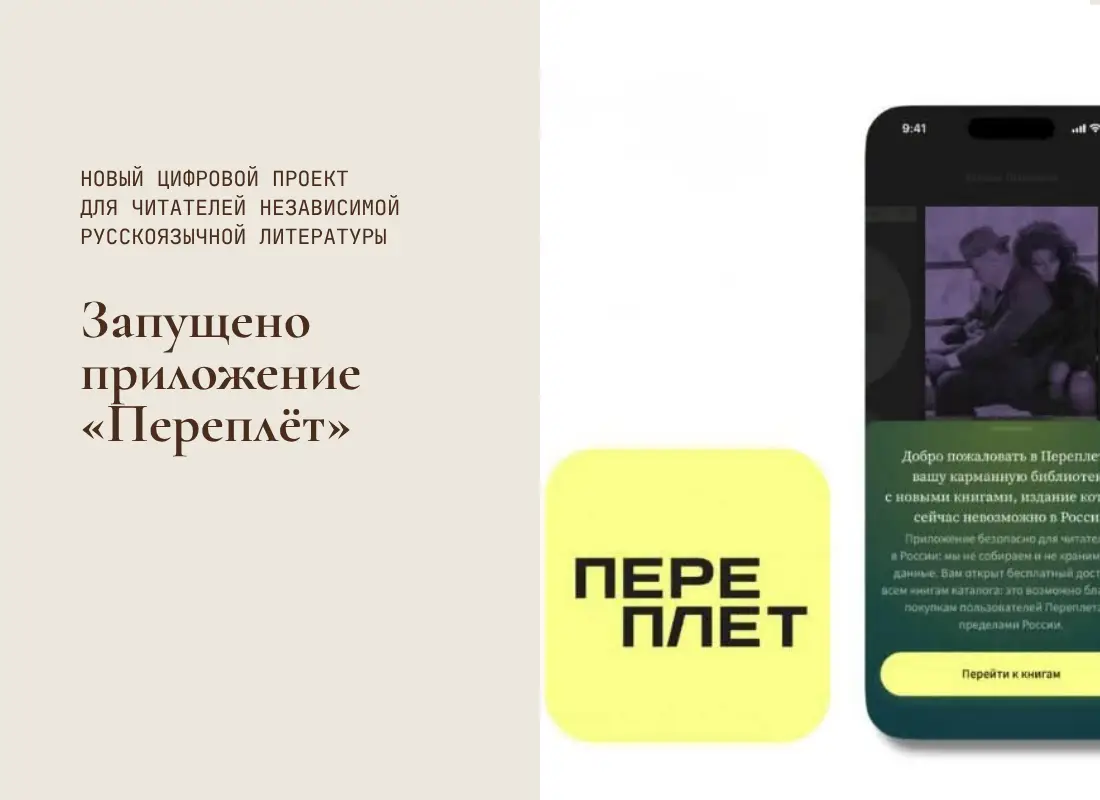
The “Pereplyot” App for Reading Books from Independent Publishers
 News
News
The Award Ceremony for the Winners of the Second Season of the Dar Prize Took Place in Montreux
 Video
Video
Ksenia Buksha on Petersburg, Poetry, and the Novel “A Little Paradise”
 Event
Event
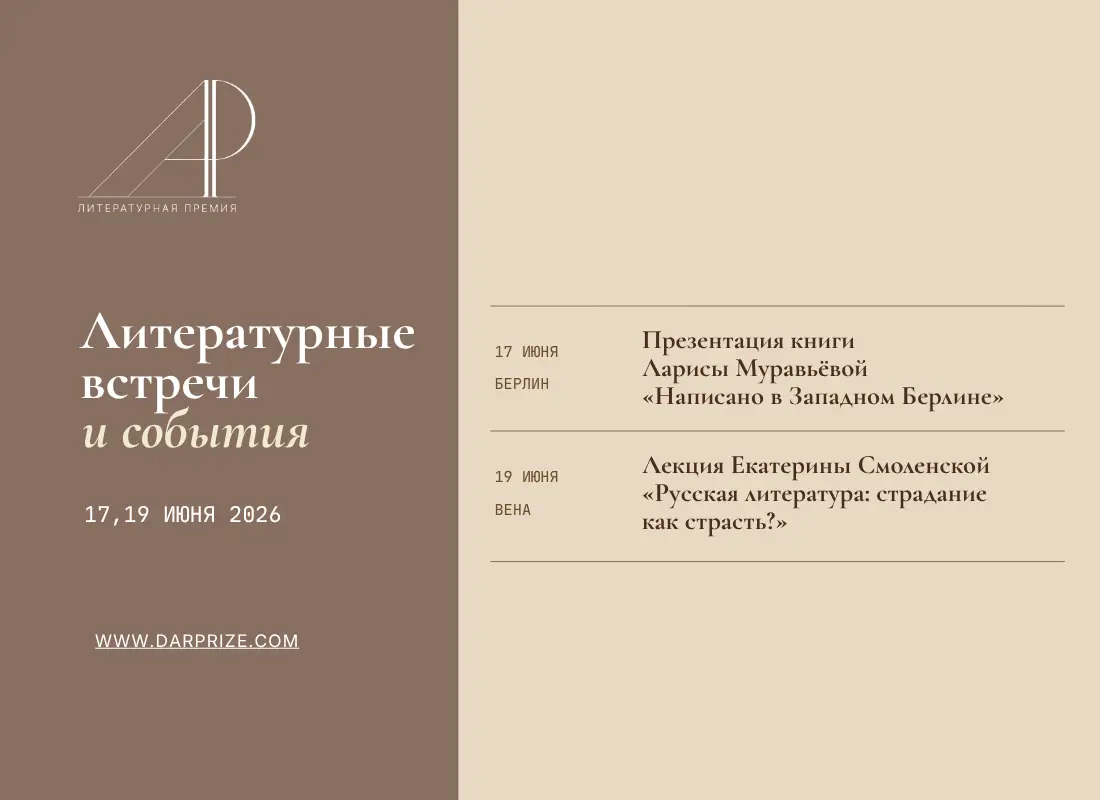
Literary Events and Meetings, June 17 and 19
 Video
Video
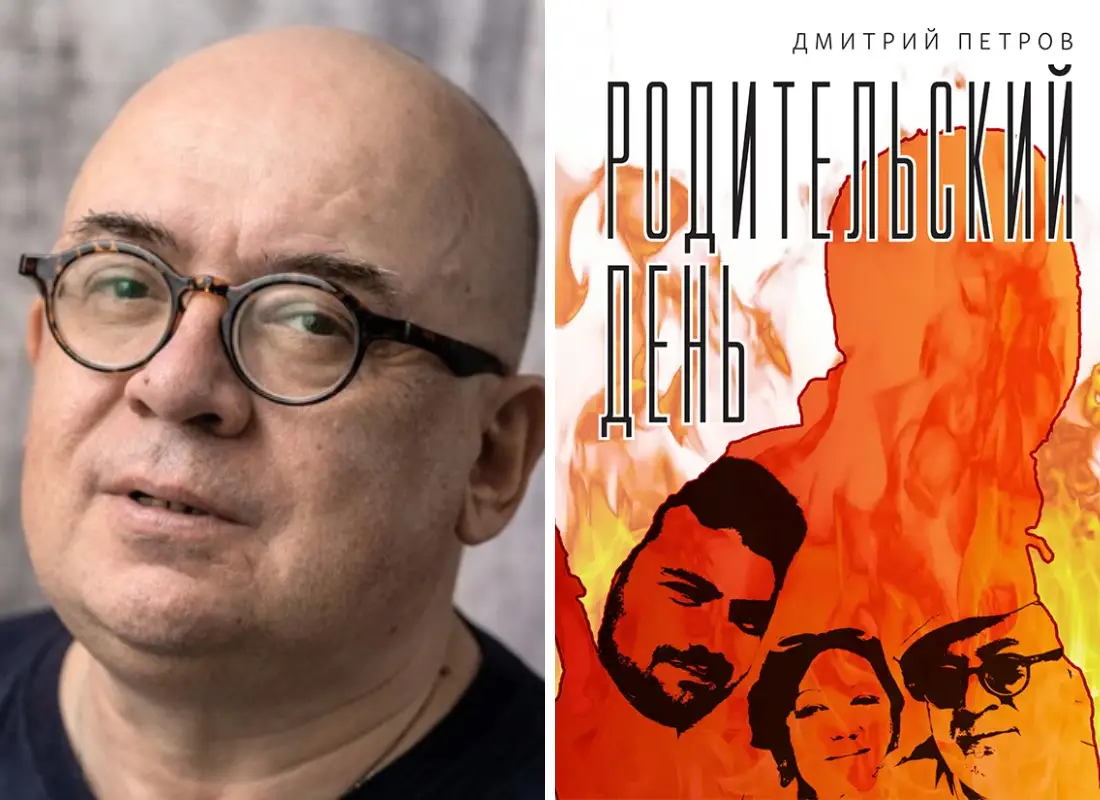
Дмитрий Петров о книге «Родительский день». Обсуждение в Эссе-клубе Жени Вежлян
 Video
Video
Igor Beloded on the Ideal Text, Love, and the Novel Morning Was an Eye
 News
News
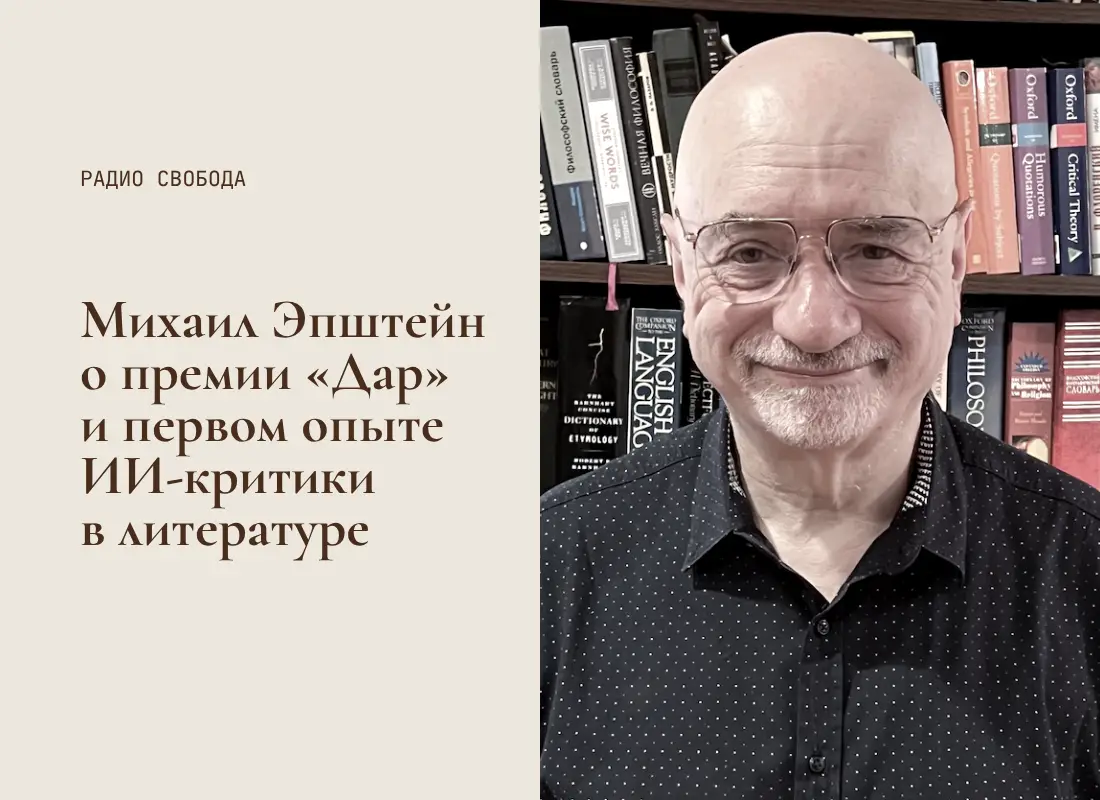
Radio Liberty: Mikhail Epstein on the Dar Prize and the Phenomenon of the AI Critic
 News
News
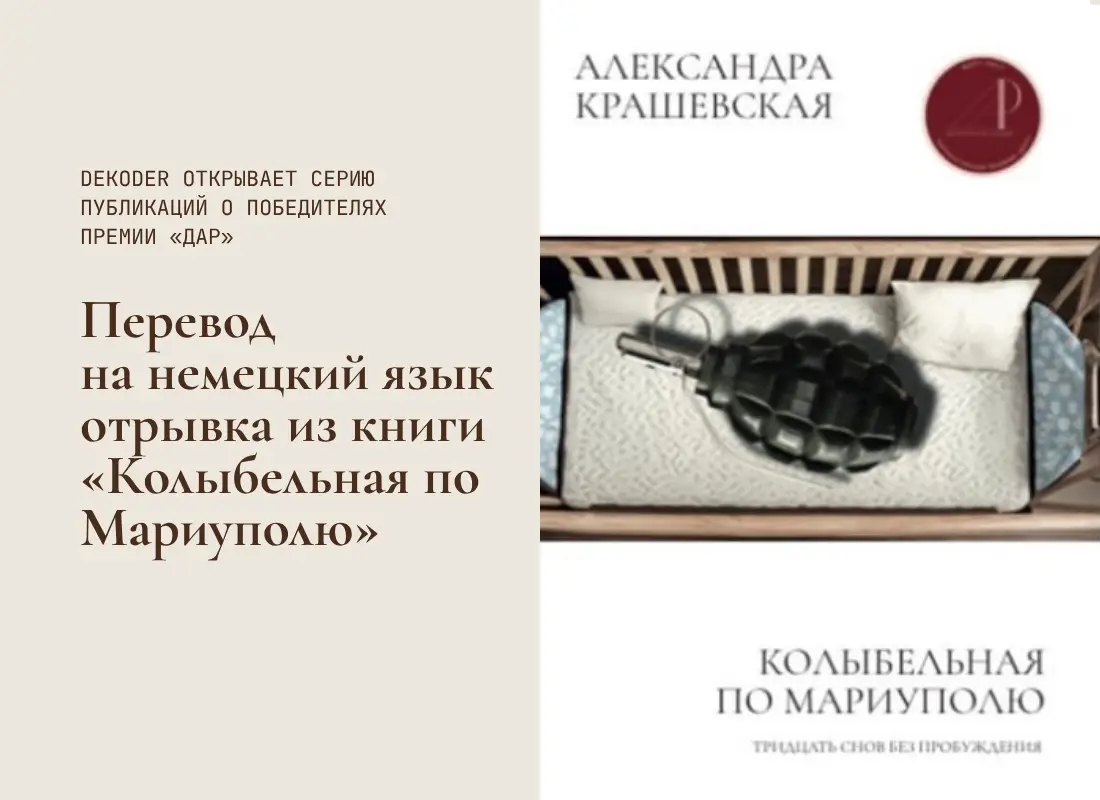
Dekoder. German Translation of an Excerpt from Alexandra Krashevskaya’s “Lullaby for Mariupol”
 Event
Event
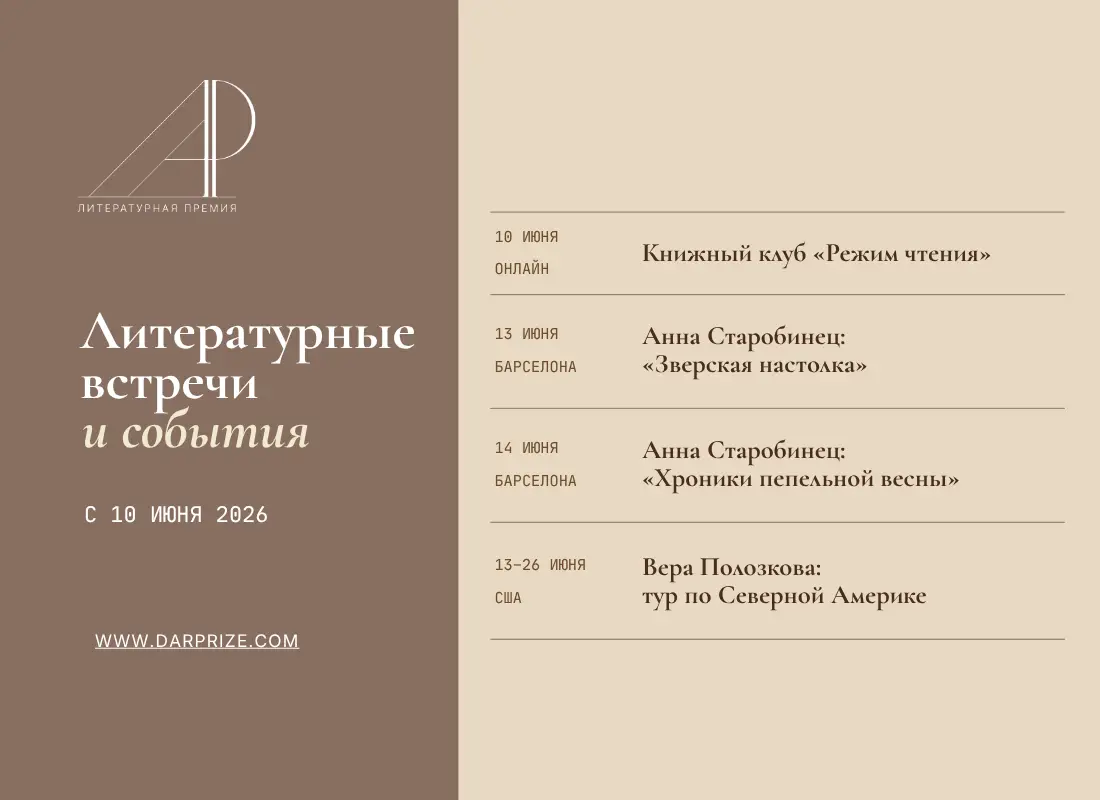
Literary Meetings and Events from June 10
 Event
Event
Dmitry Bykov’s Poetry Tour Not a Word About Love — Across European Cities in June
 News
News
Literary Meetings and Events, June 1–7
 Video
Video
Oleg Radzinsky on Family, Emigration, and the Novel Days of Repentance
 Video
Video
What Should We Be Reading in Russian Today? A Conversation at the 2026 Berlin Book Fair
 Video
Video
Dar Prize Laureate Alexandra Krashevskaya in Conversation with Nikolai Alexandrov
 Video
Video
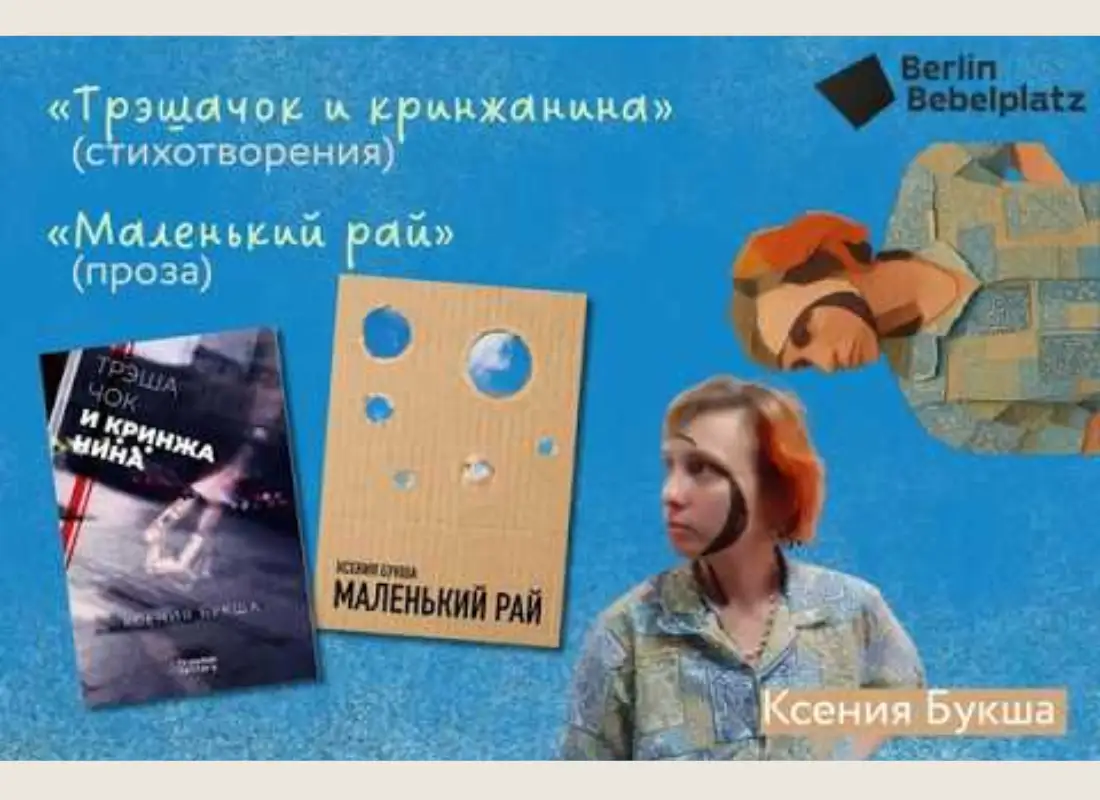
A Meeting with Ksenia Buksha | Berlin Book Fair 2026
 News
News
The Winners of the Second Season of the Dar Literary Prize Have Been Announced
 Video
Video
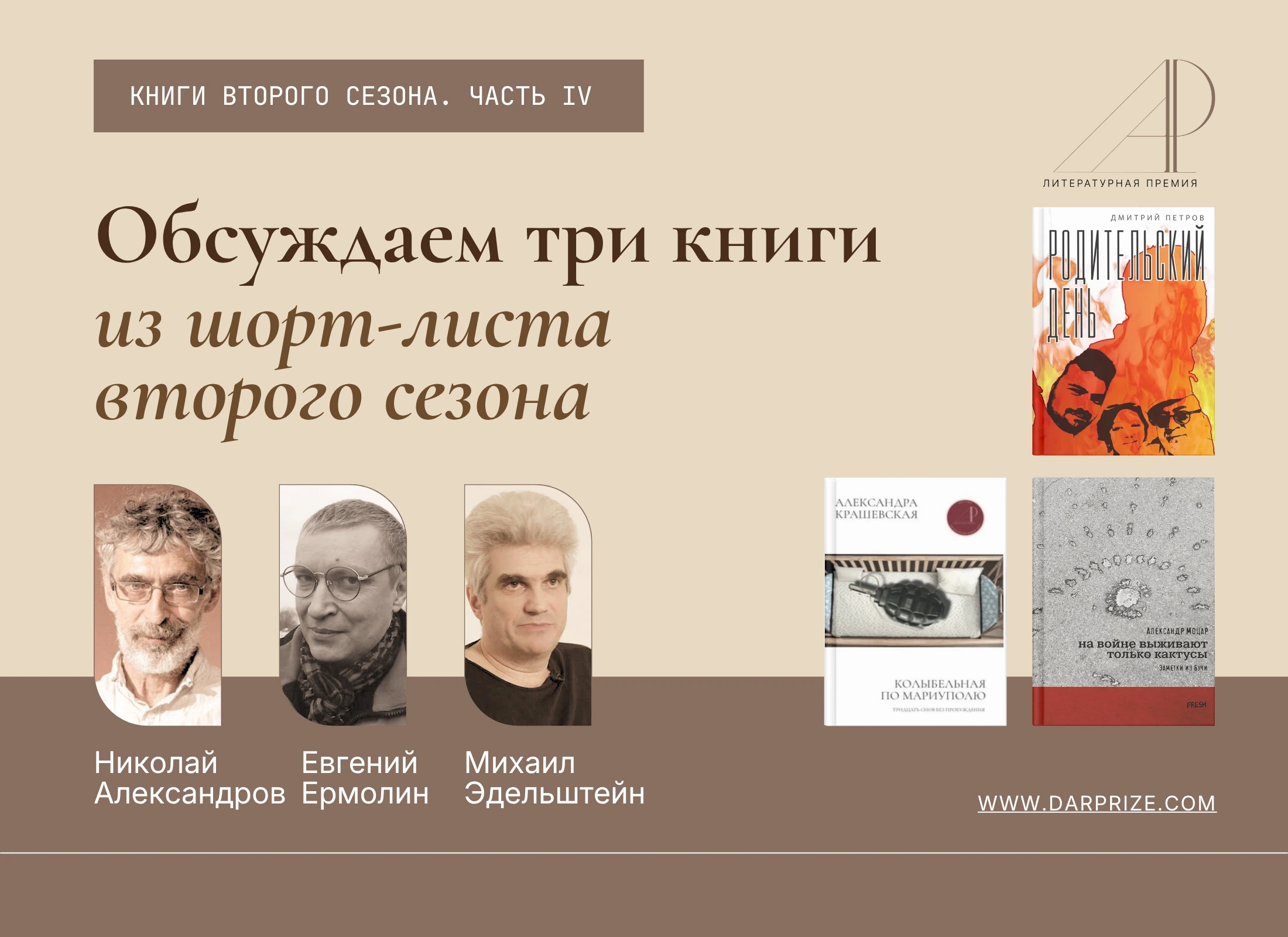
Testimony of War. Discussing the Books Shortlisted for the 2026 Dar Prize. Part 4
 Video
Video
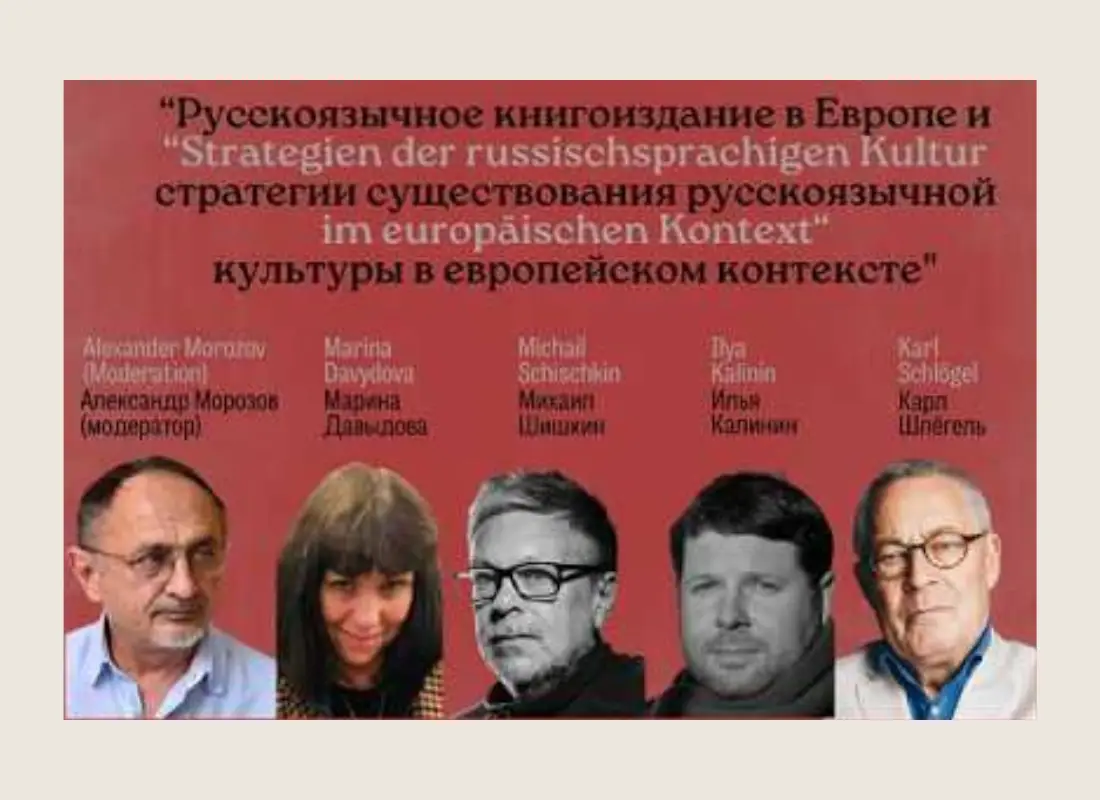
Russian-Language Publishing in Europe: A Round Table at the 2026 Berlin Book Fair
 News
News
PEN Languages of Russia Has Become Part of the International PEN International Network
 Event
Event
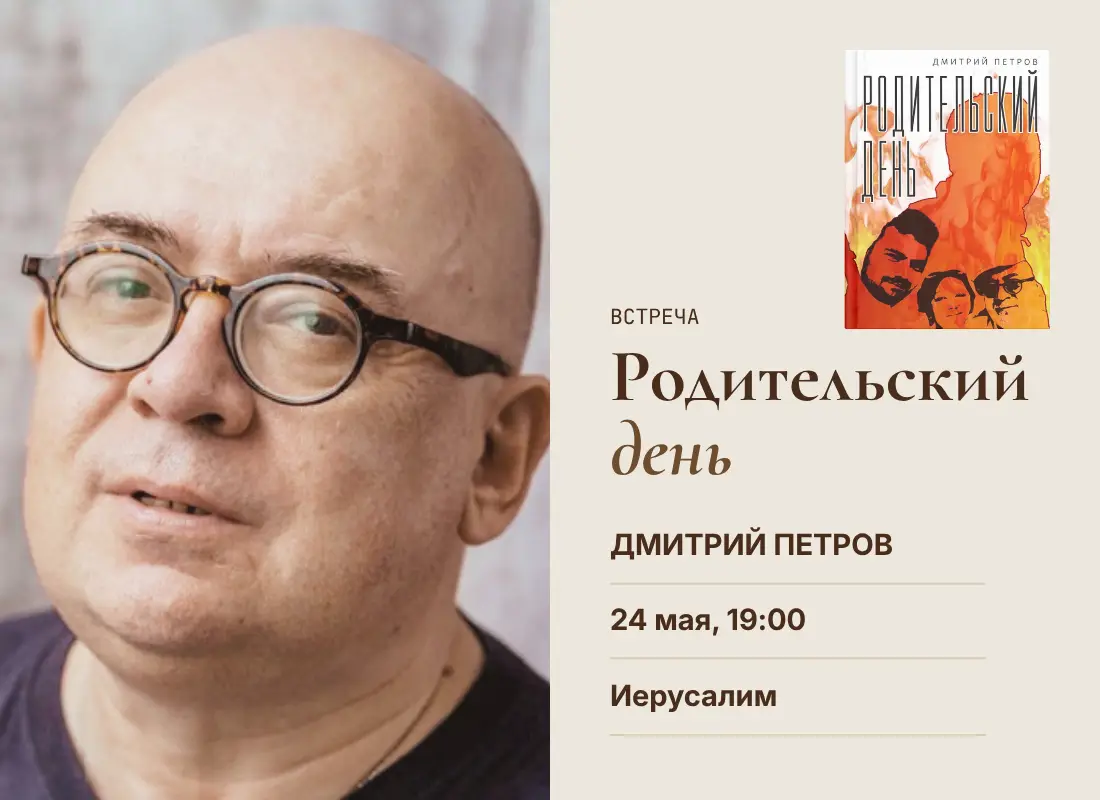
May 4 in Jerusalem: A Meeting with Dmitry Petrov, Author of Parents’ Day
 News
News
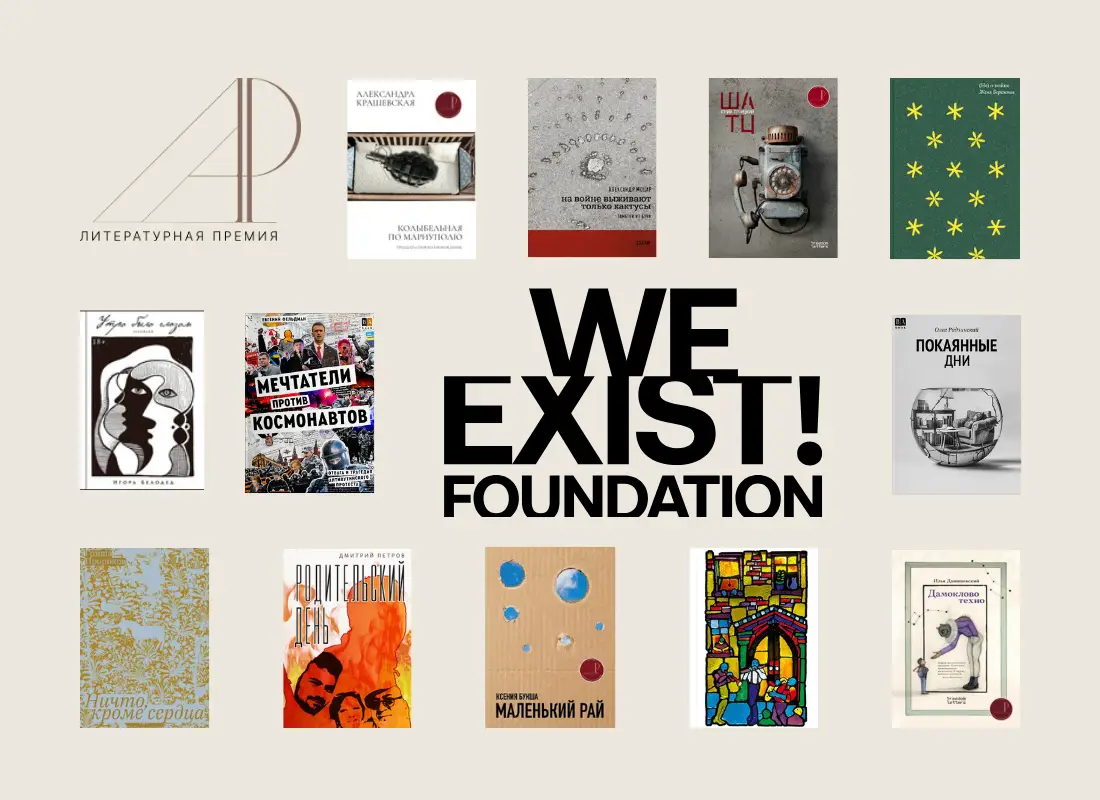
Sample Translations of Dar Prize Finalists, with support from the WE EXIST! FOUNDATION
 Event
Event
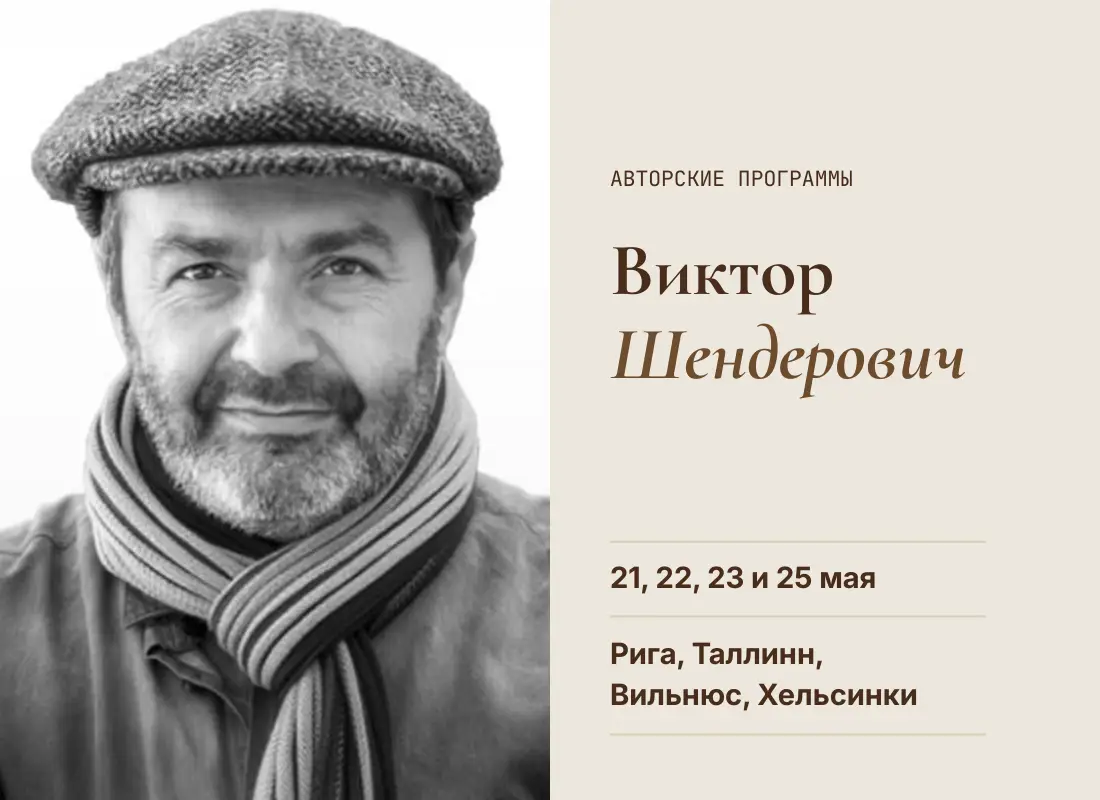
Viktor Shenderovich in Riga, Tallinn, Vilnius, and Helsinki on May 21, 22, 23, and 25
 Event
Event
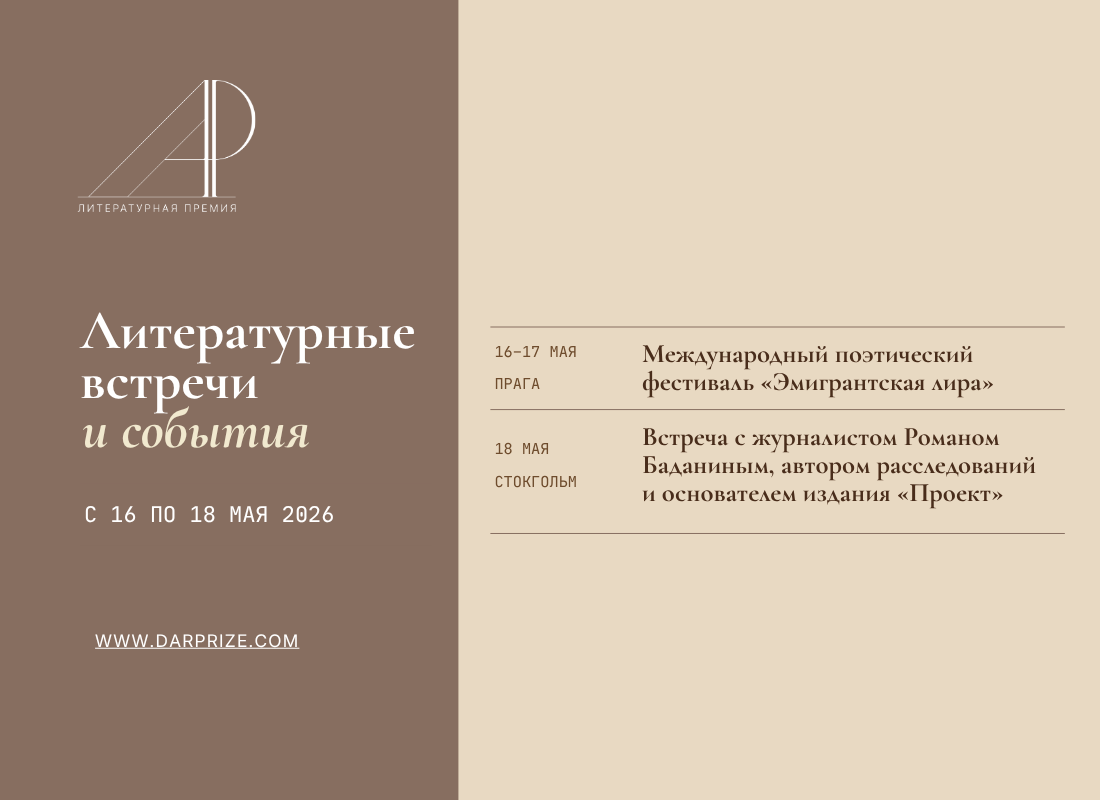
Literary Meetings and Events, May 16–18
 Event
Event
May 23–24 in Madrid: Knigi.Blizko Book Fair
 Interview
Zhenya Berezhnaya on Nikolai Alexandrov’s Program Not Only About Books
 About Dar Prize
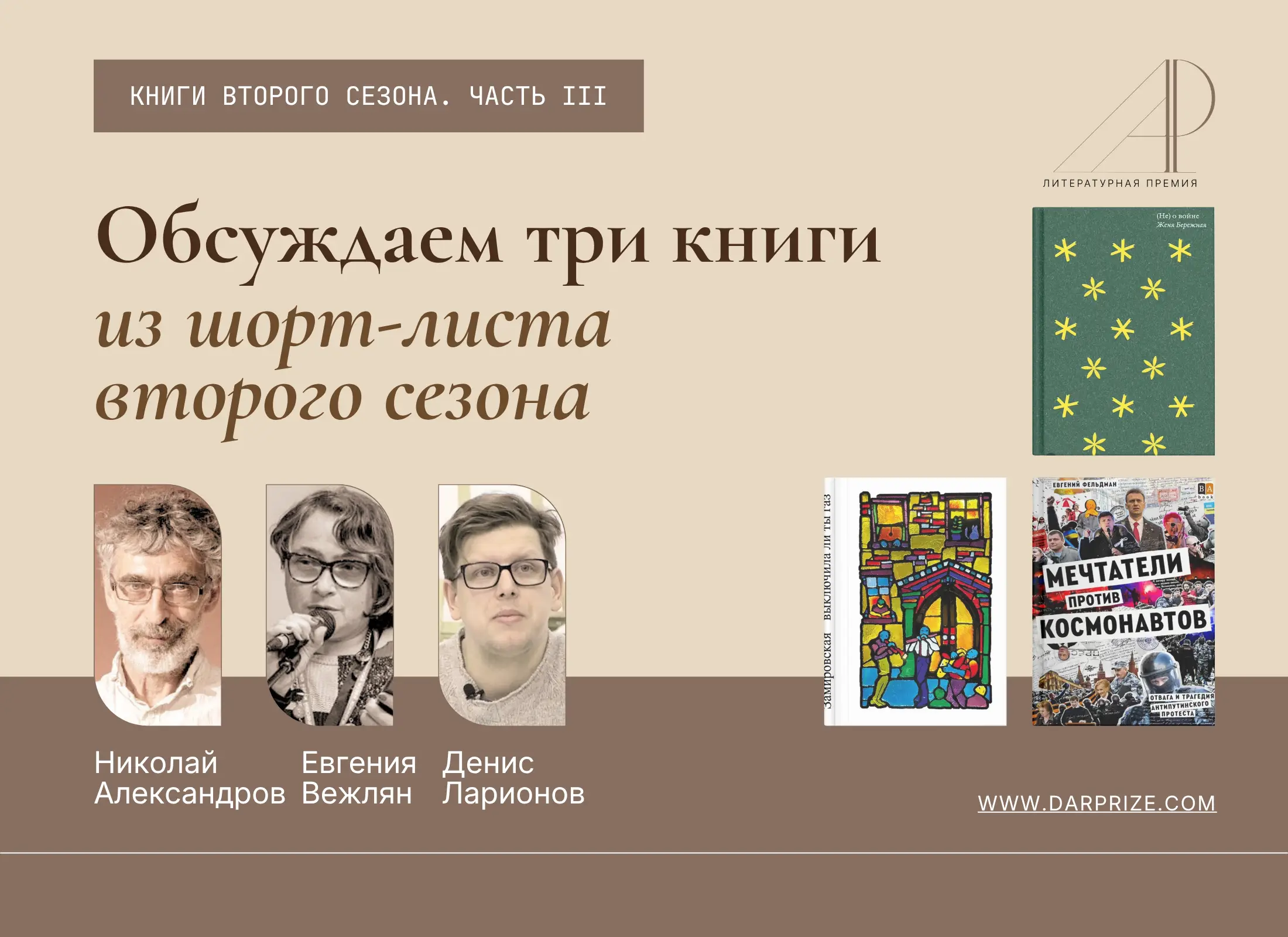
“People Have Been Thrown Out of Their Biographies.” A New Discussion of the Dar Prize Shortlist
 Event
Event
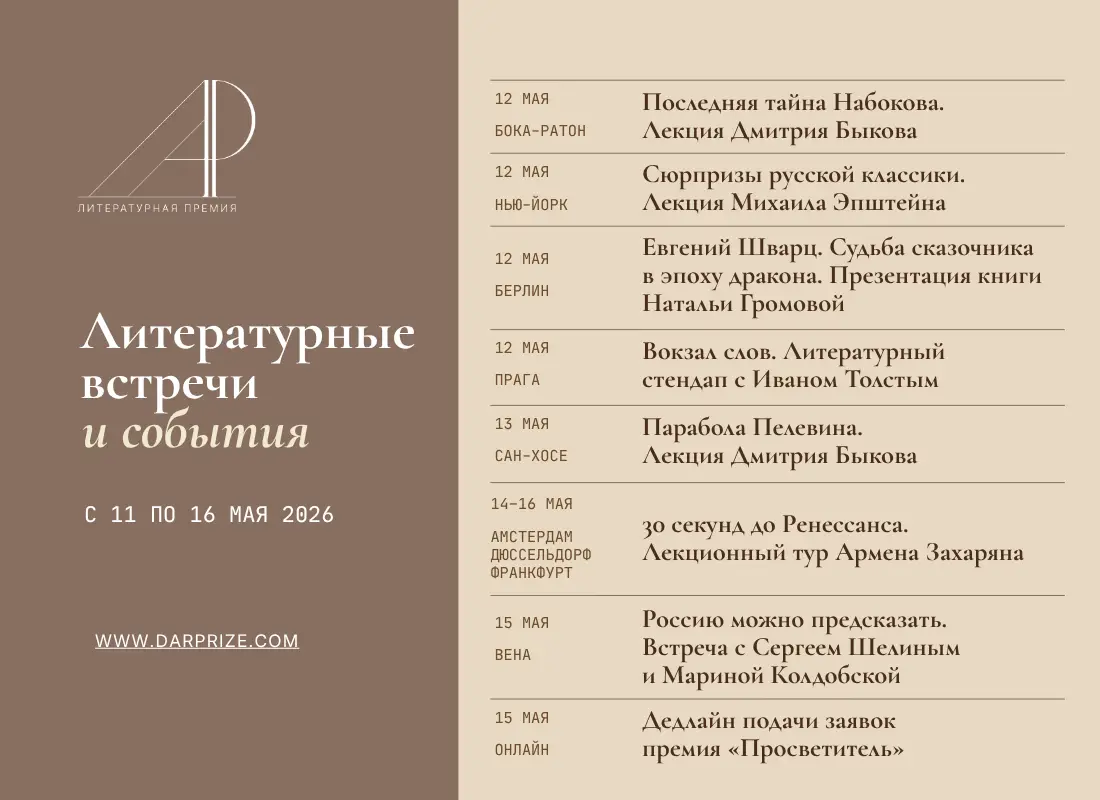
Литературные встречи и события с 12 по 16 мая
 Book
Book
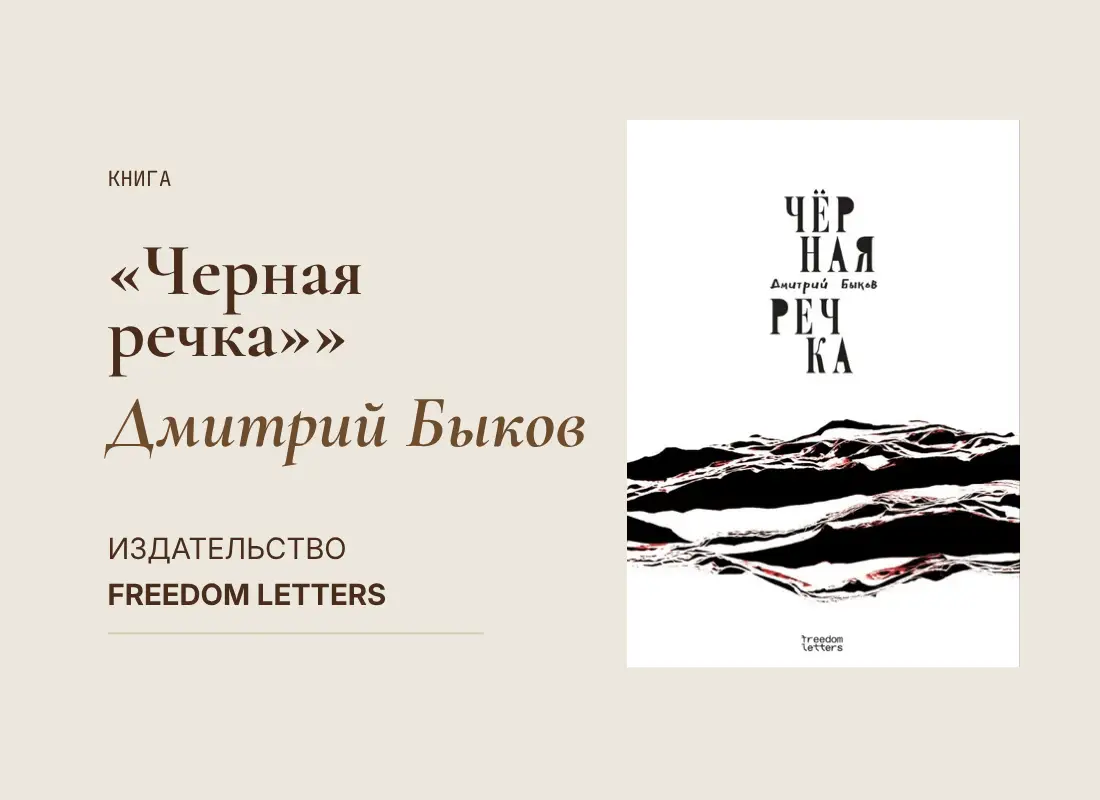
Dmitry Bykov’s New Novel Black River Has Been Published by Freedom Letters
 News
News
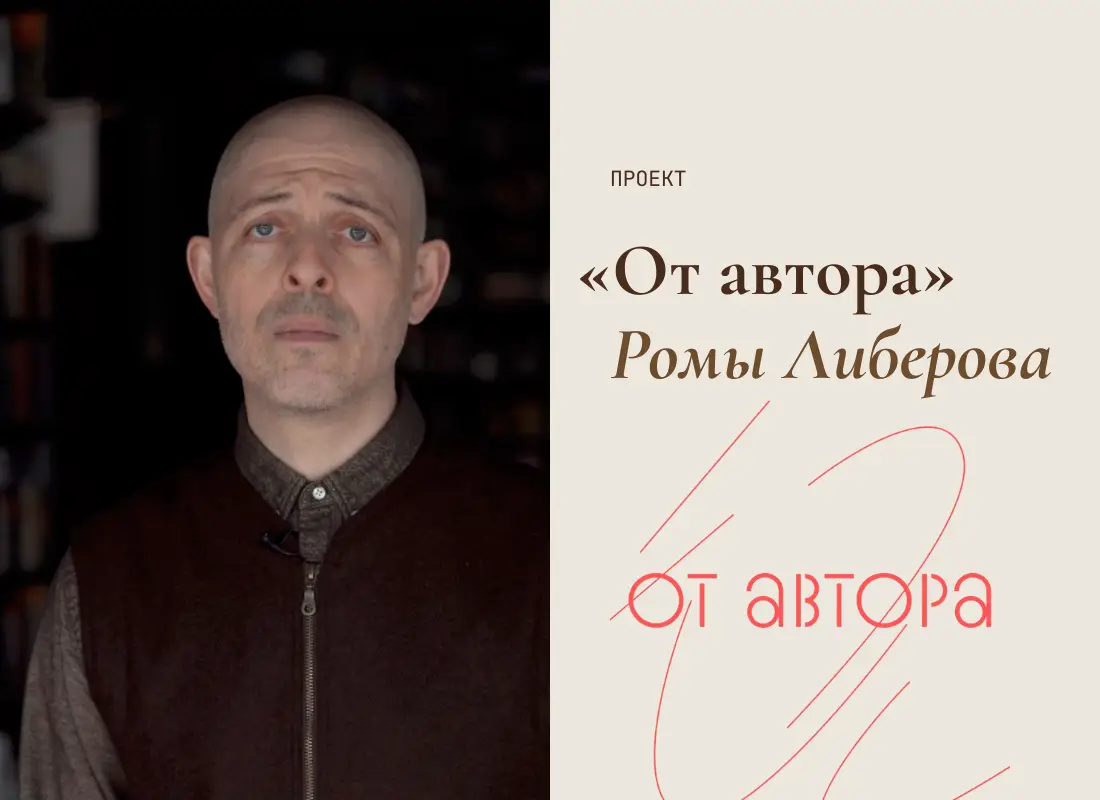
“From the Author”: A Film Collection of Contemporary Russian-Language Poetry
 Event
Event
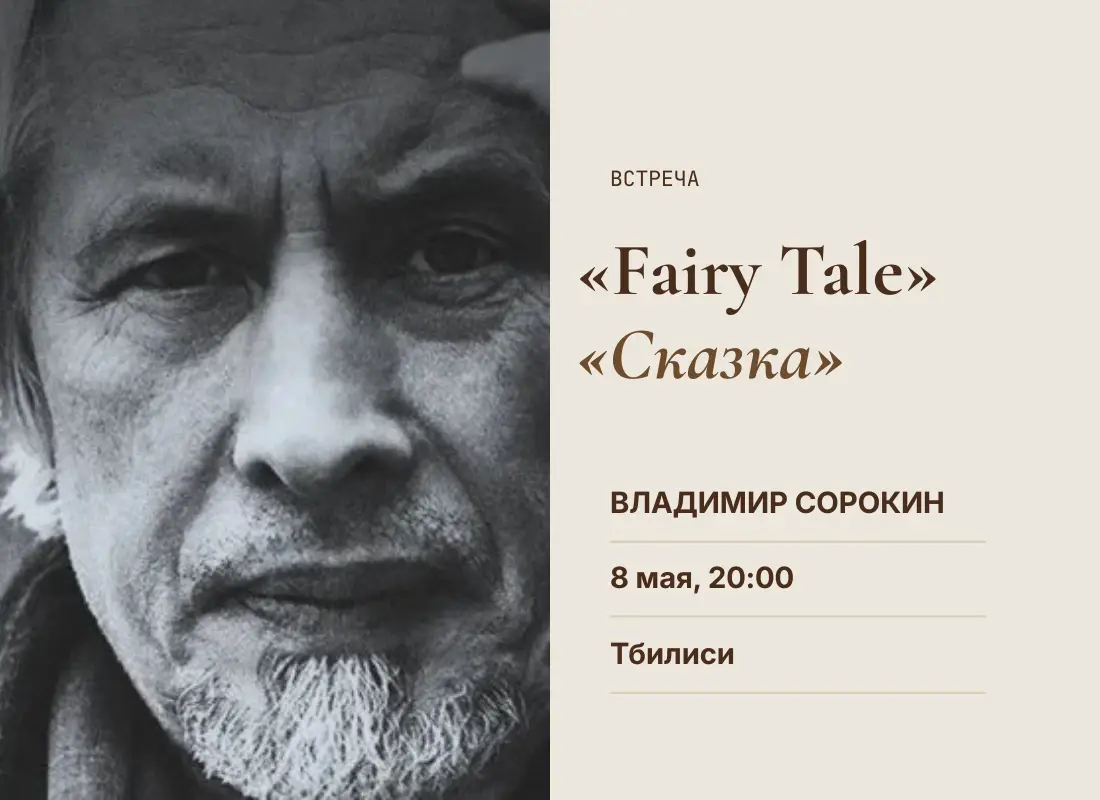
May 8 in Tbilisi: Vladimir Sorokin to Present the Novel Fairy Tale
 The Word to Claude
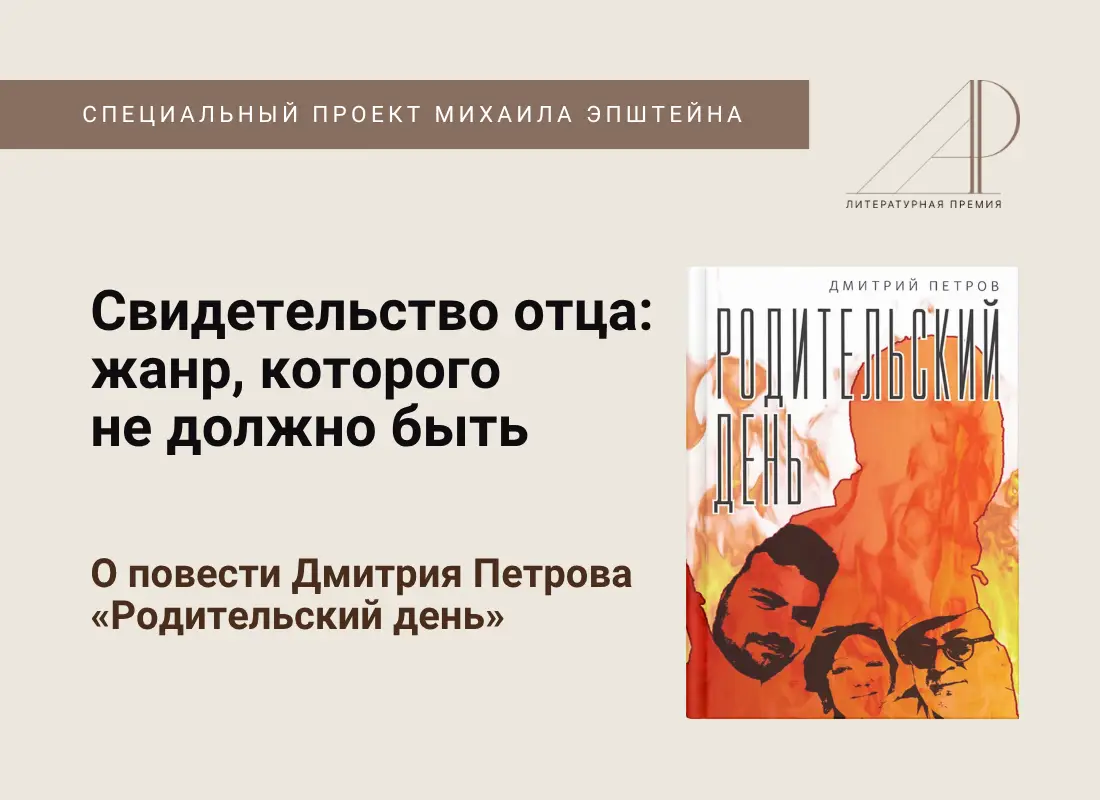
A Father’s Testimony: A Genre That Should Not Exist. On Dmitry Petrov’s Novella
 The Word to Claude
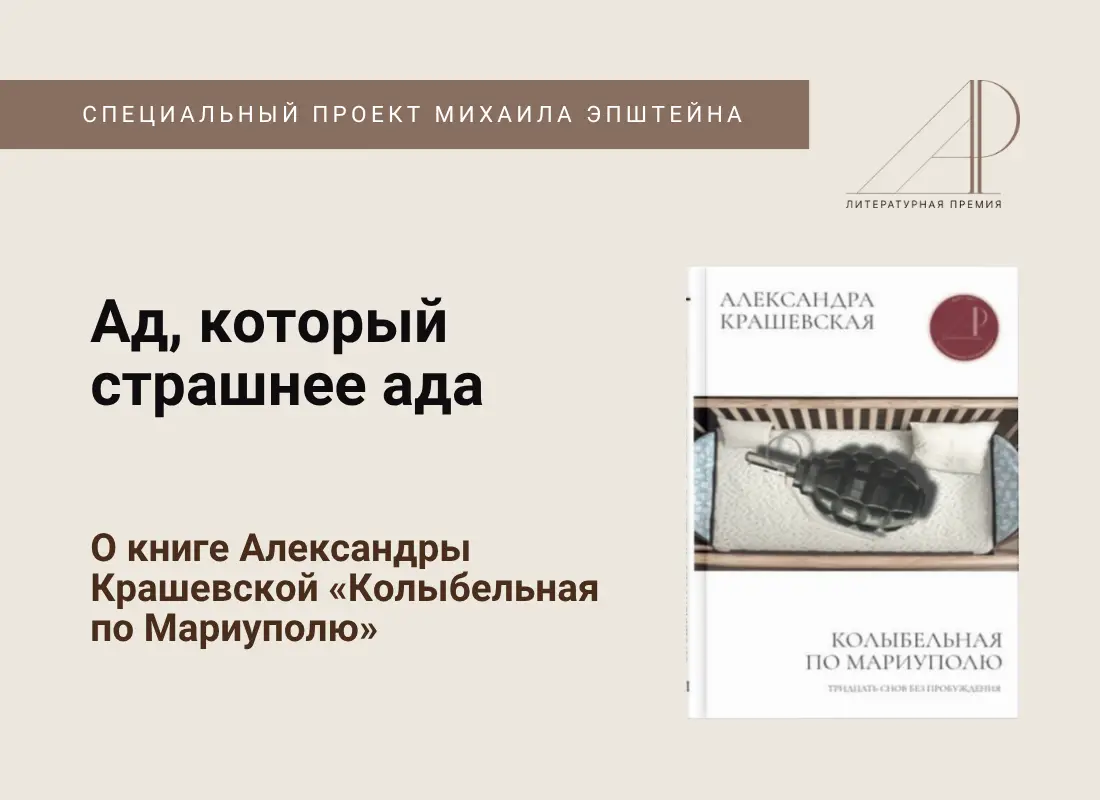
A Hell More Terrible than Hell. On Alexandra Krashevskaya’s Book
 Event
Event
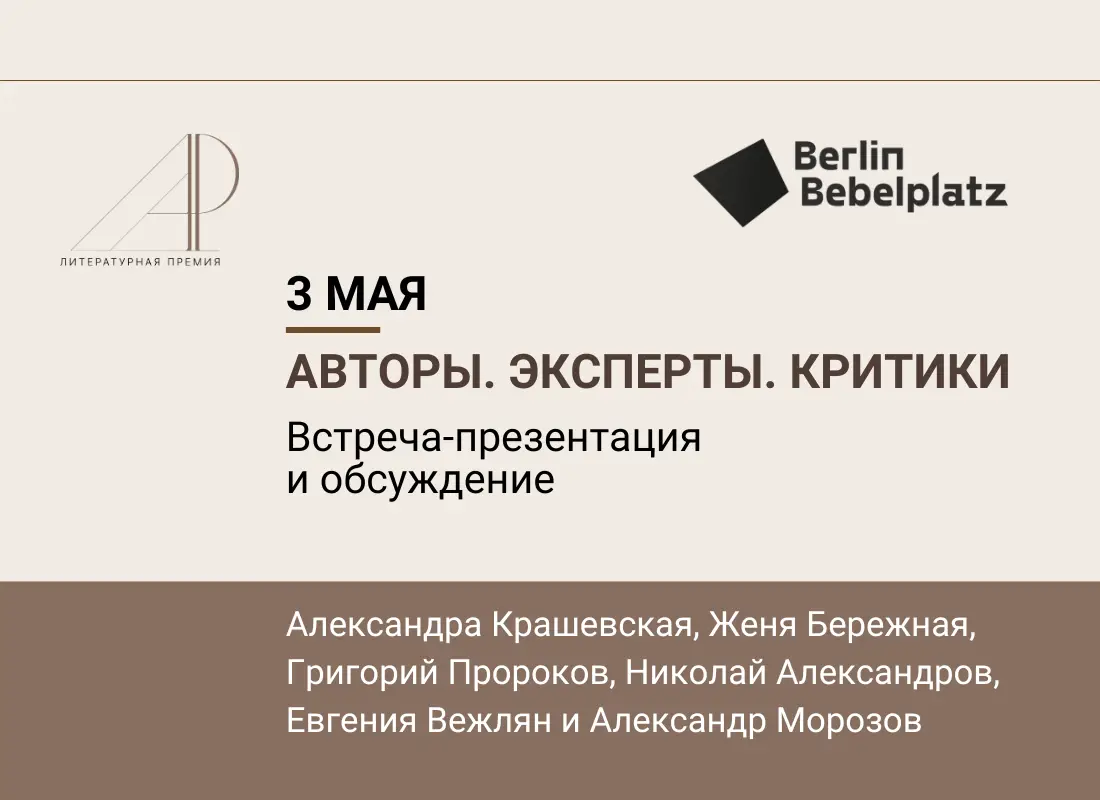
The Dar Prize at the Berlin Book Fair
 Event
Event
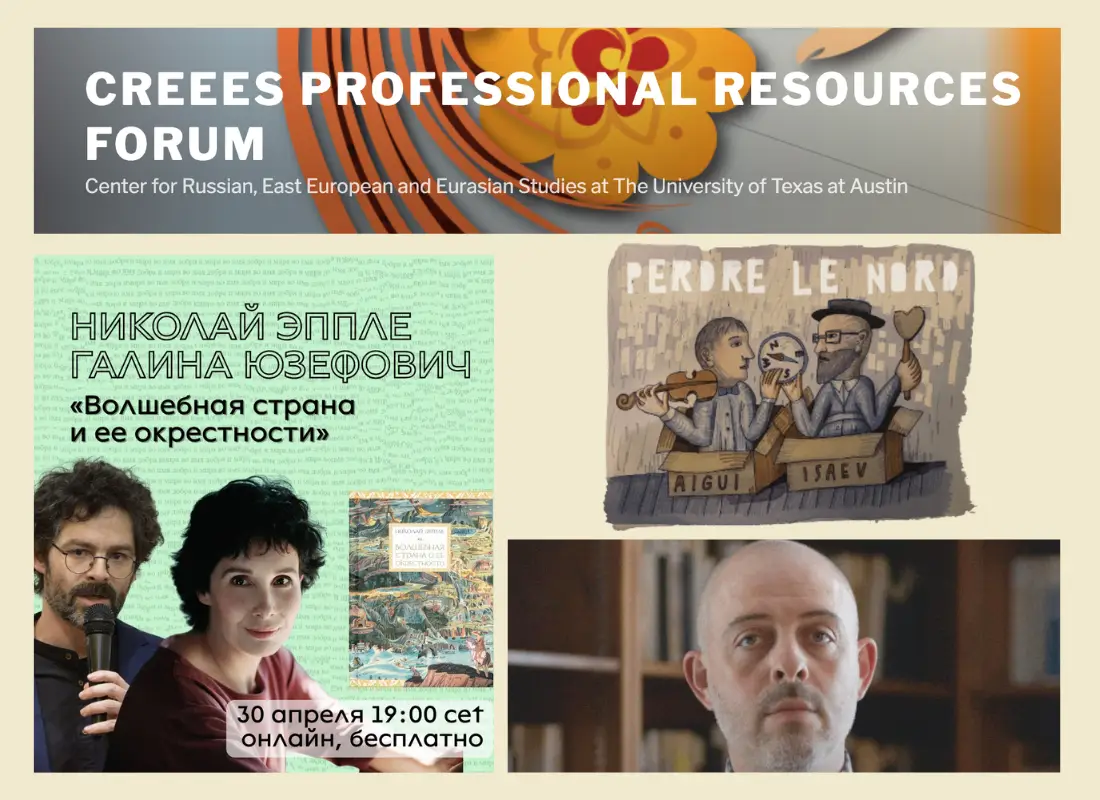
April 30: Berlin, London, and Online — Performance, Brodsky, and a Conversation about Fairy Tales
 Event
Event
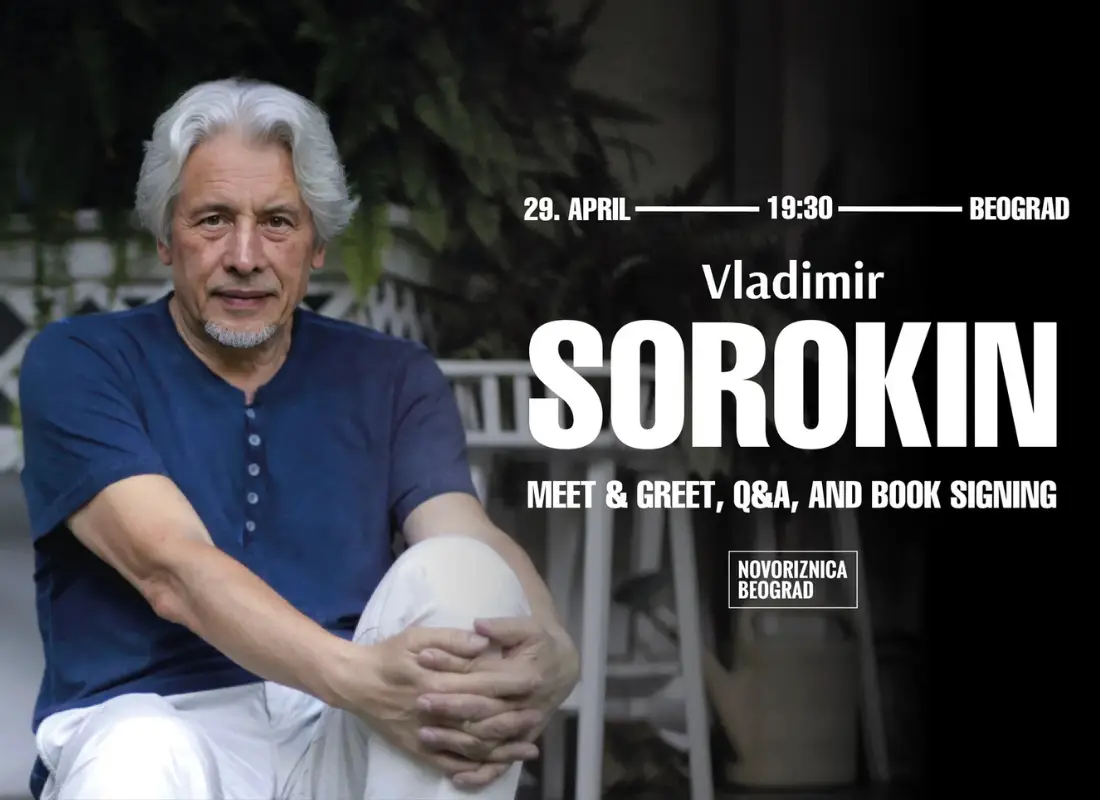
April 29 in Belgrade: Vladimir Sorokin to Meet with Readers
 Book
Book
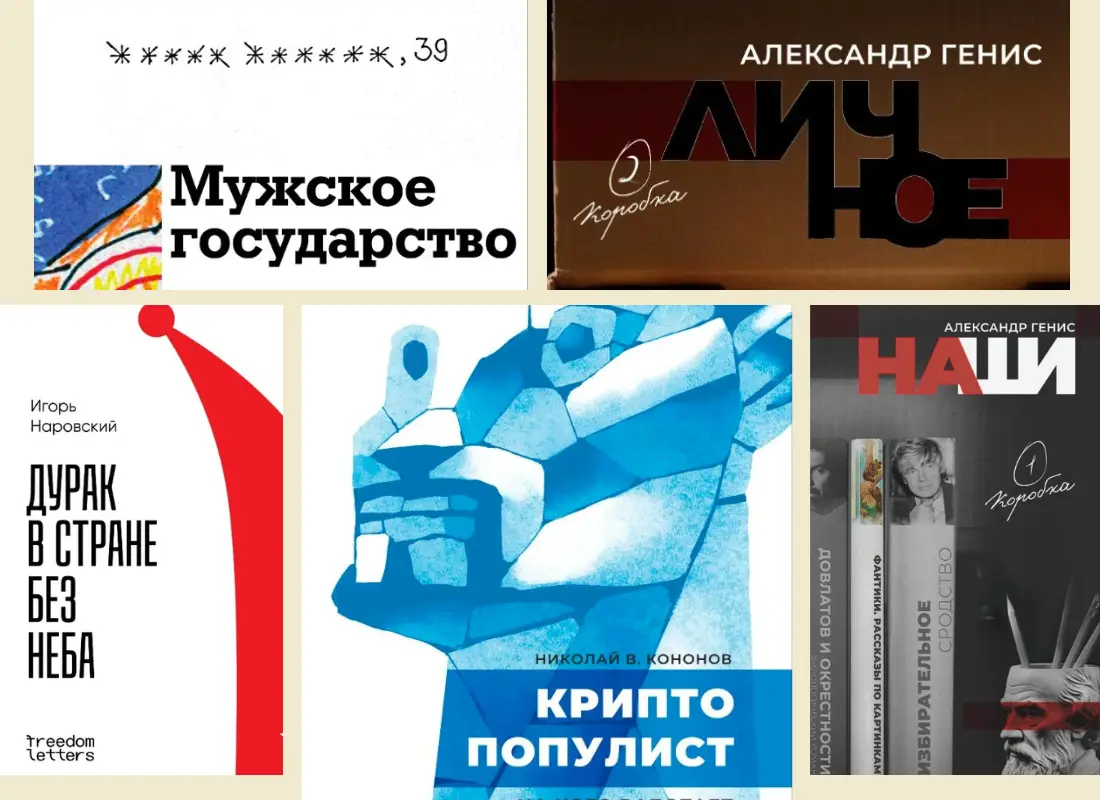
New Books from Freedom Letters: Genis, Kononov, and Prose about War, Disappearance, and Freedom
 The Word to Claude
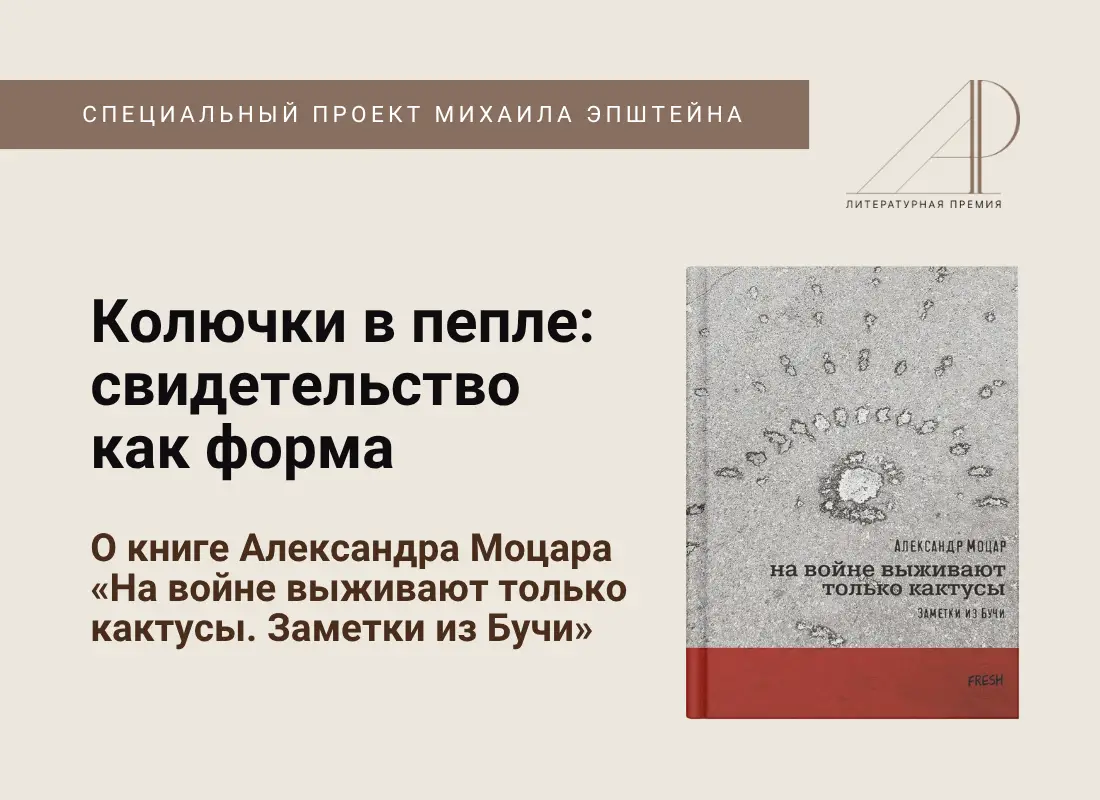
Thorns in the Ashes: Testimony as Form. On Alexander Motsar’s Book
 The Word to Claude
War as a Mode of the Body’s Existence. On Zhenya Berezhnaya’s Book
 Event
Event
April 27 in London: Antony Beevor and Vladimir Raevskiy to Discuss a Book on Rasputin and the Fall of the Romanovs
 Review
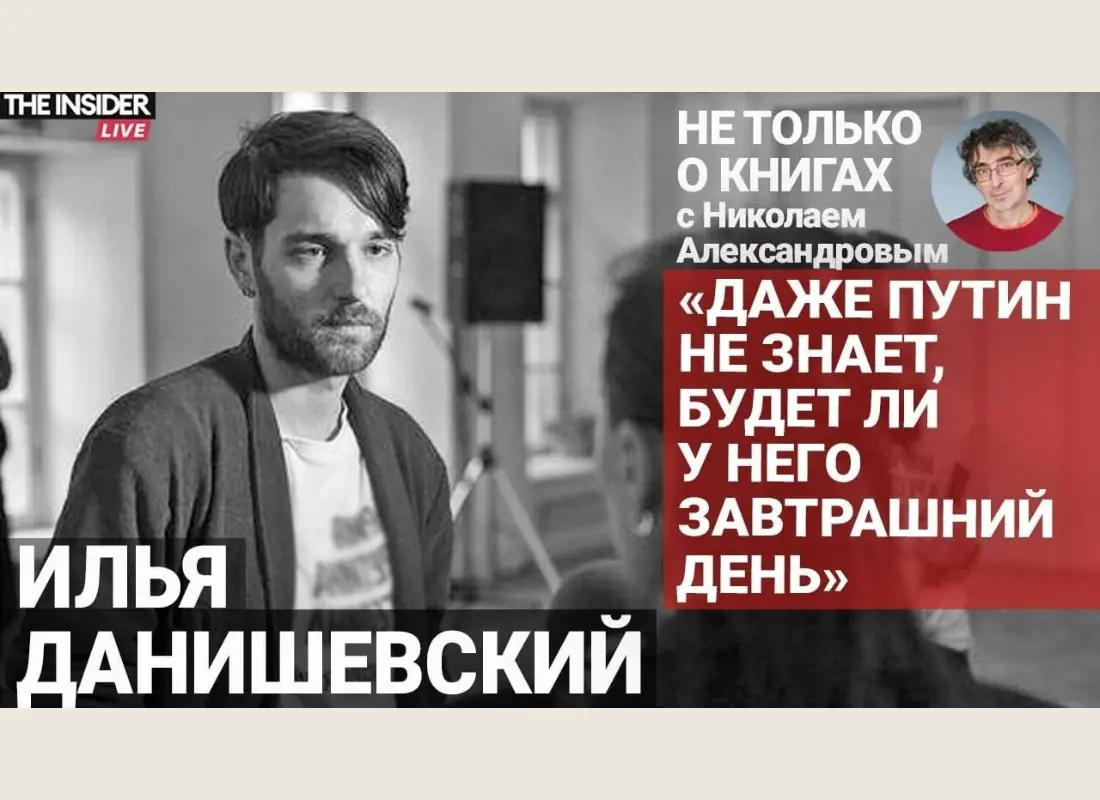
От Таро до Эдгара По: Илья Данишевский в разговоре с Николаем Александровым о книге «Дамоклово техно» и эмиграции
 Book
Book
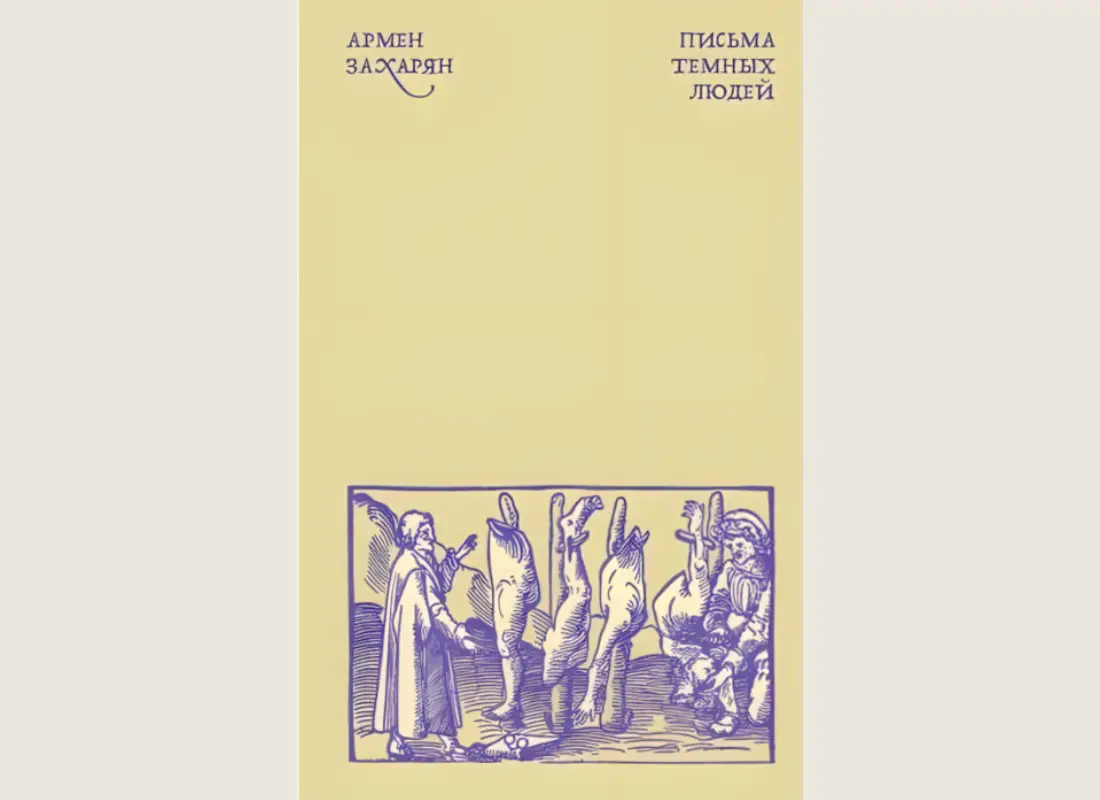
Armen Zakharyan’s Book Letters of Obscure Men Has Been Published
 The Word to Claude
The Camera Shutter. On Yevgeny Feldman’s Book
 The Word to Claude
Spending the War Without You: An Archaeology of Survival. On Tatyana Zamirovskaya’s Book
 Event
Event
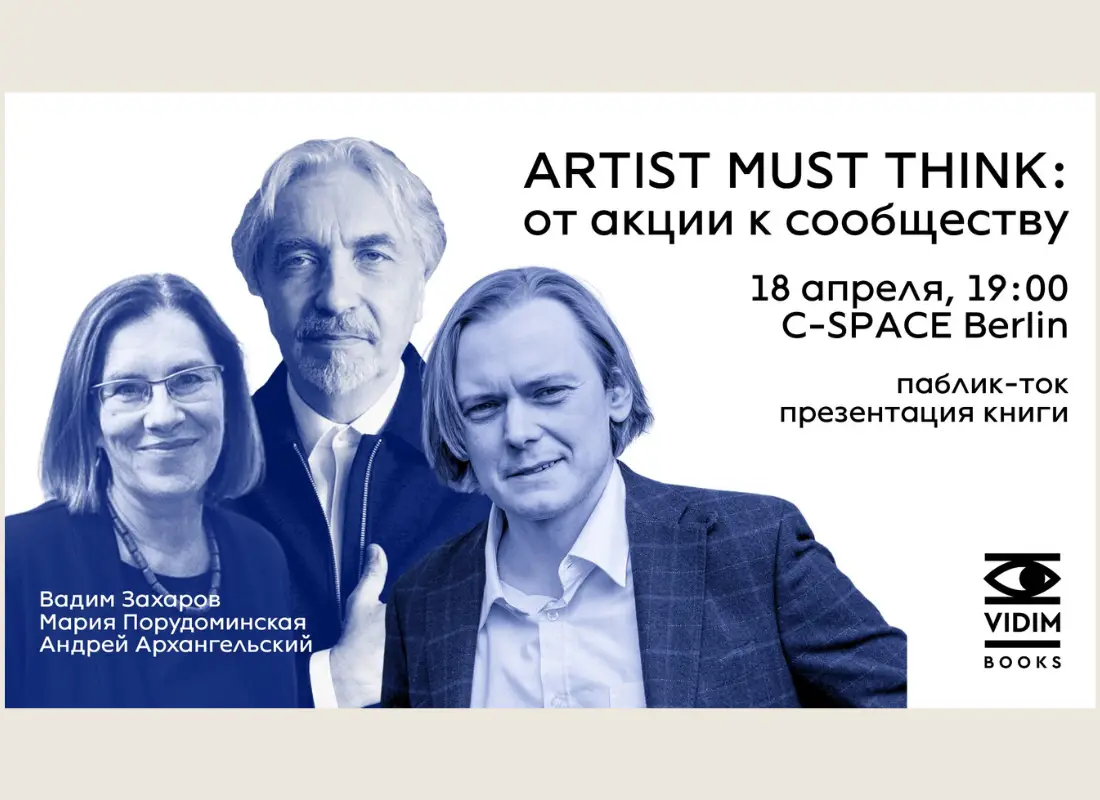
April 18 in Berlin: Public Talk and Presentation of Vadim Zakharov’s Books Artist Must Think
 Event
Event
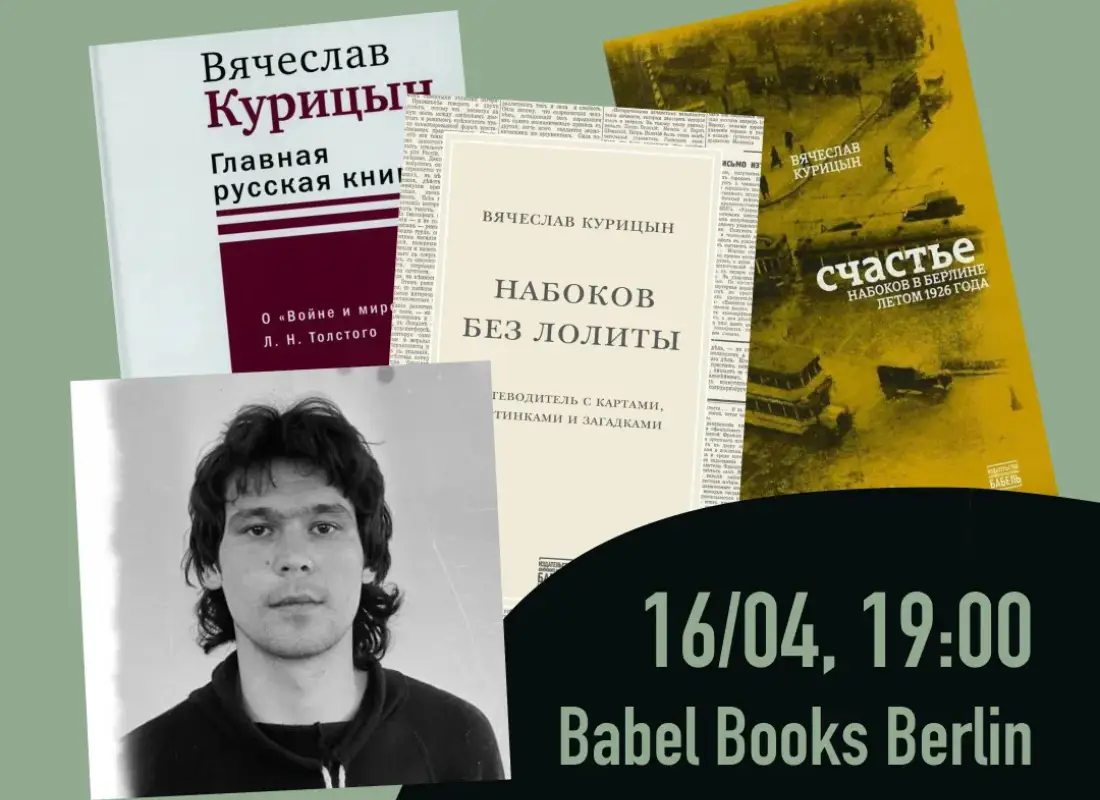
April 16 in Berlin: A Meeting with Vyacheslav Kuritsyn, Tolstoy and Nabokov
 The Word to Claude
Nothing but the Heart: A Theology of Perplexity. On Grisha Prorokov’s Novel
 The Word to Claude
A Pocket Full of Children: The Anatomy of Queer Horror. On Ilya Danishevsky’s Novel Damocles Techno
 Event
Event
April 11–18: Dina Rubina. Mirrors and Hidden Chambers of Fate in Chișinău, Prague, Munich, Nuremberg, Stuttgart, and Luxembourg
 Event
Event
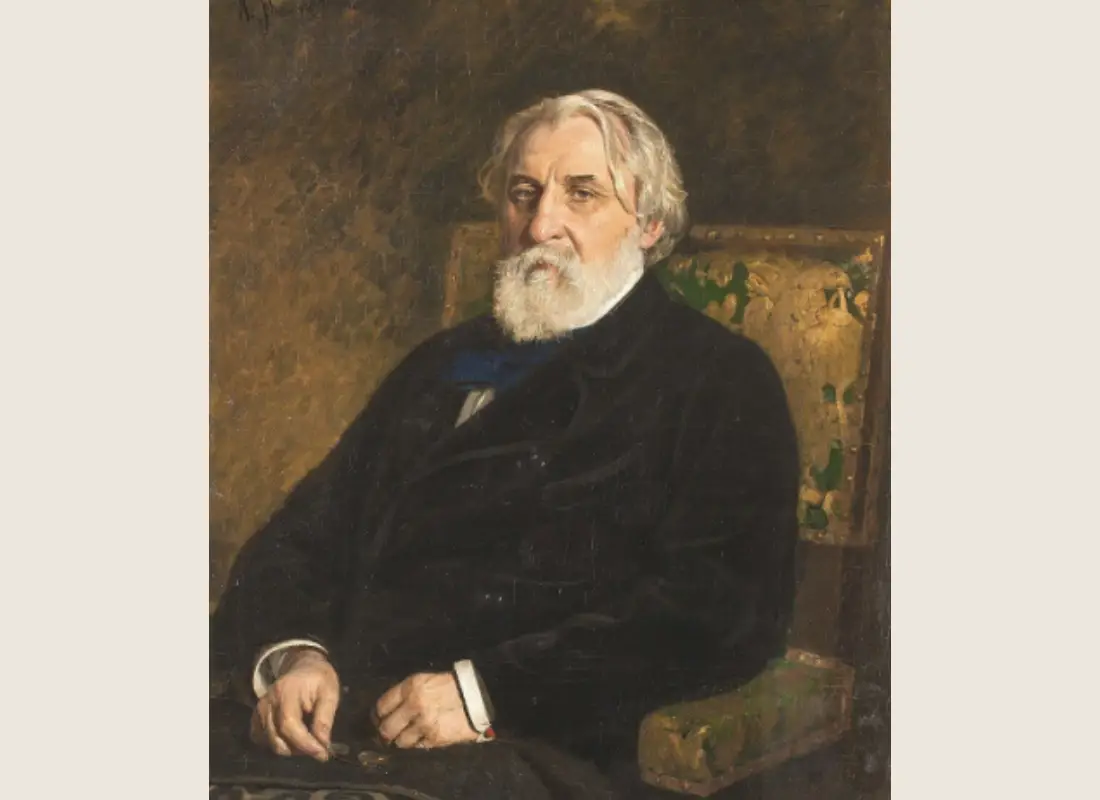
April 9–11 in Rouen and Bougival. International Conference Ivan Turgenev and the European Novel
 Interview
Georgy Urushadze on Books, Censorship, and Freedom Letters Publishing
 The Word to Claude
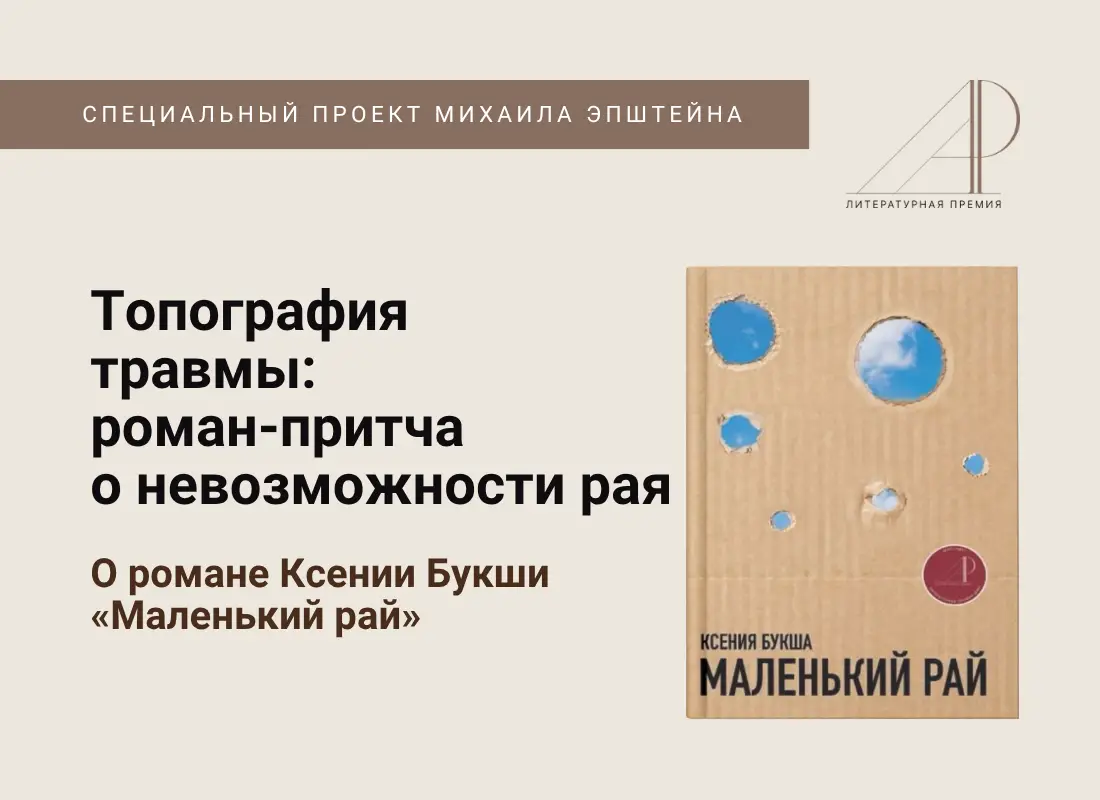
The Topography of Trauma: A Parabolic Novel about the Impossibility of Paradise. On Ksenia Buksha’s Novel A Little Paradise
 About Dar Prize
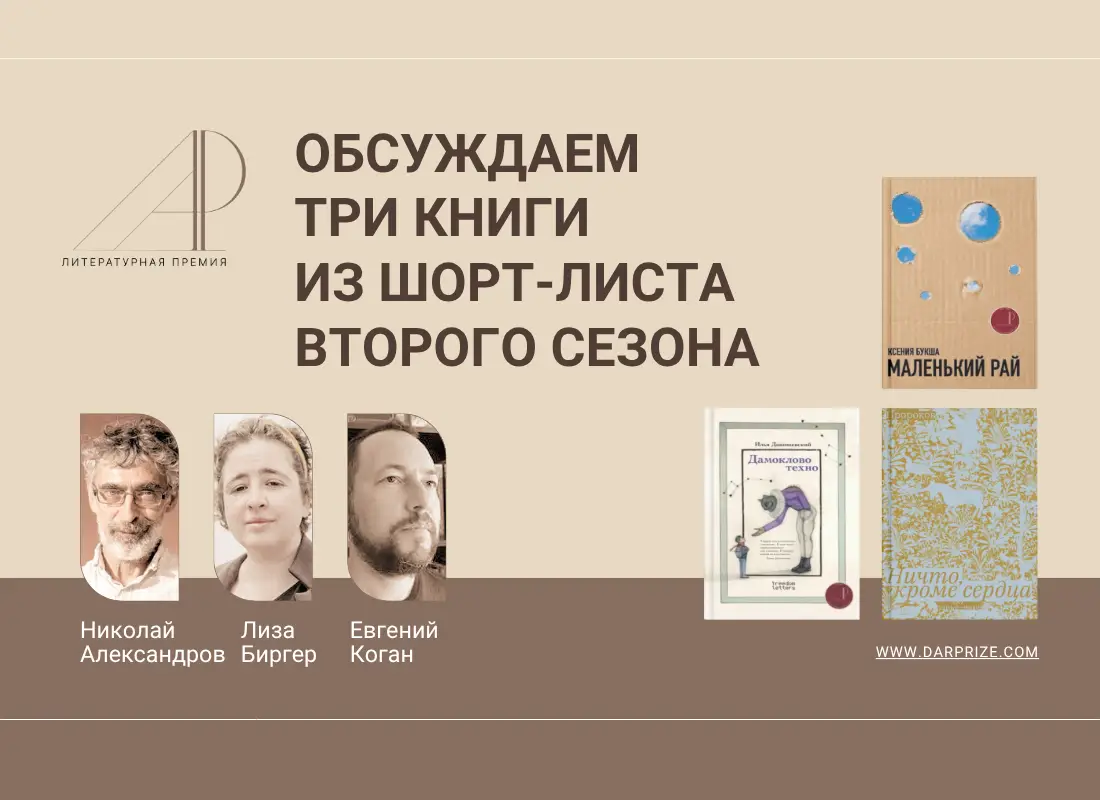
What to Read? Literary Critics Discuss the Shortlist of the Dar Prize, Season 2. Episode 2
 The Word to Claude
Поэтика распада: о прозе Игоря Белодеда
 Interview
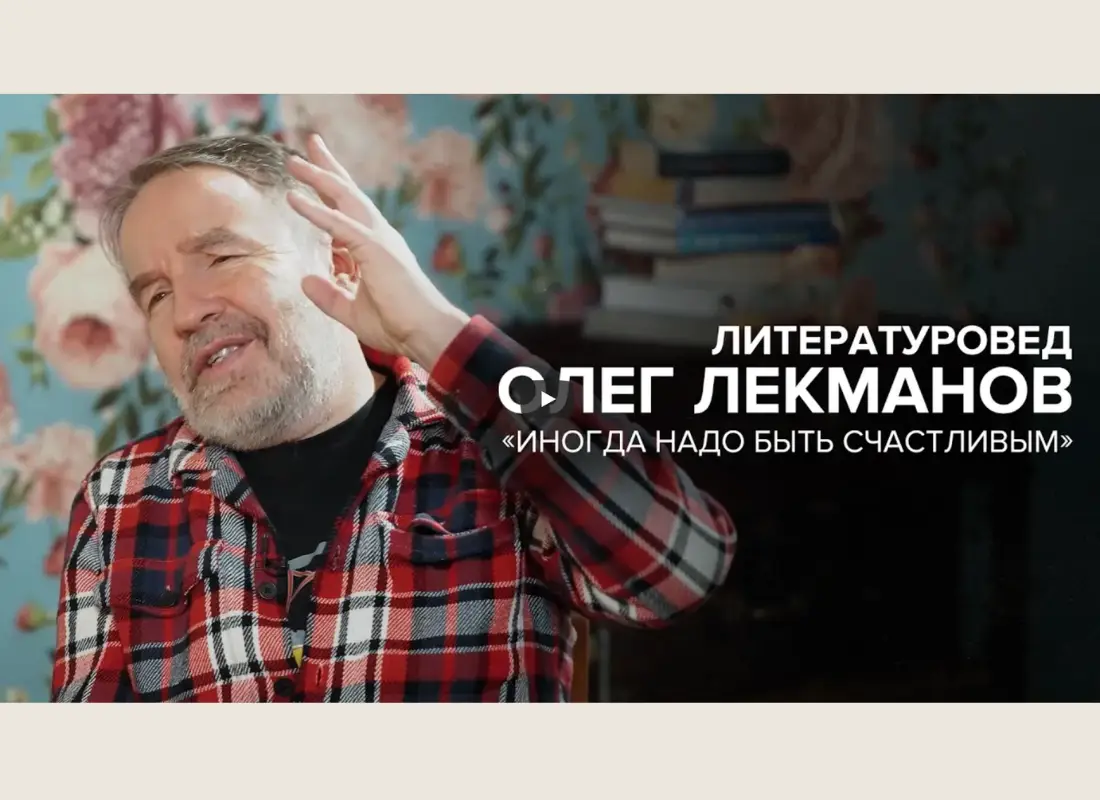
Oleg Lekmanov in Katerina Gordeeva’s Interview on Contemporary Literature and Wartime Poetry
 Event
Event
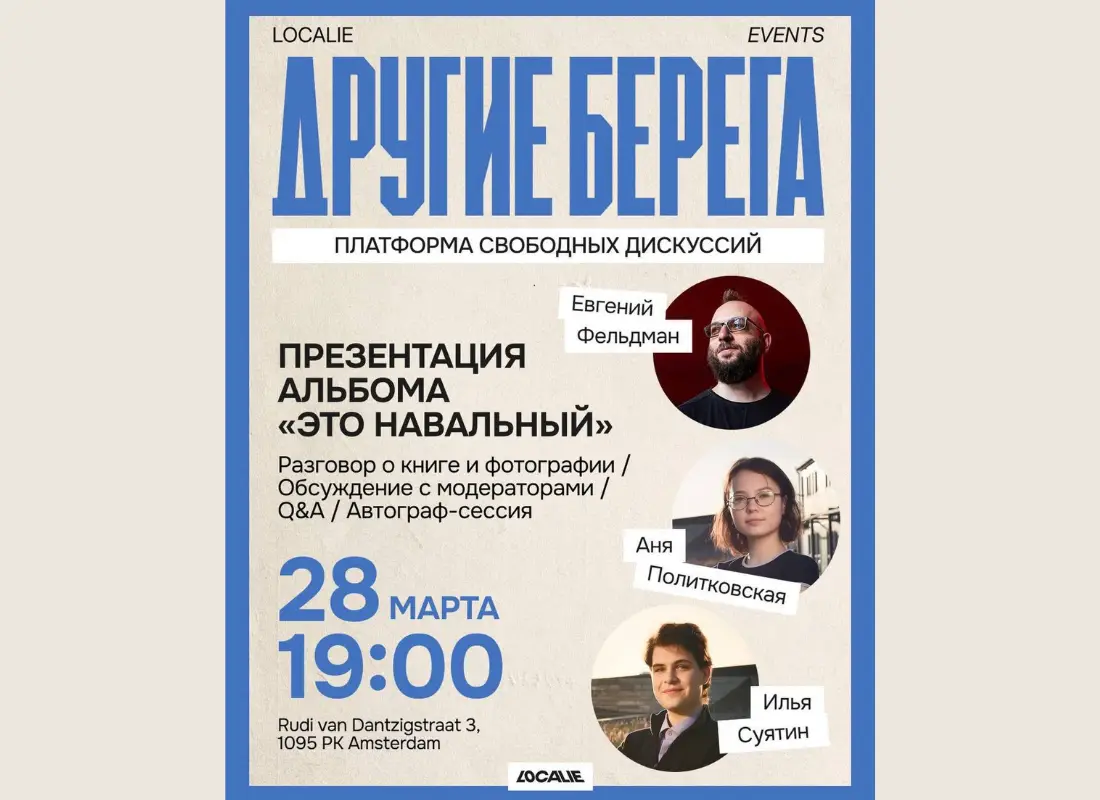
March 28 in Amsterdam: Evgeny Feldman. Presentation of the album This Is Navalny
 Event
Event
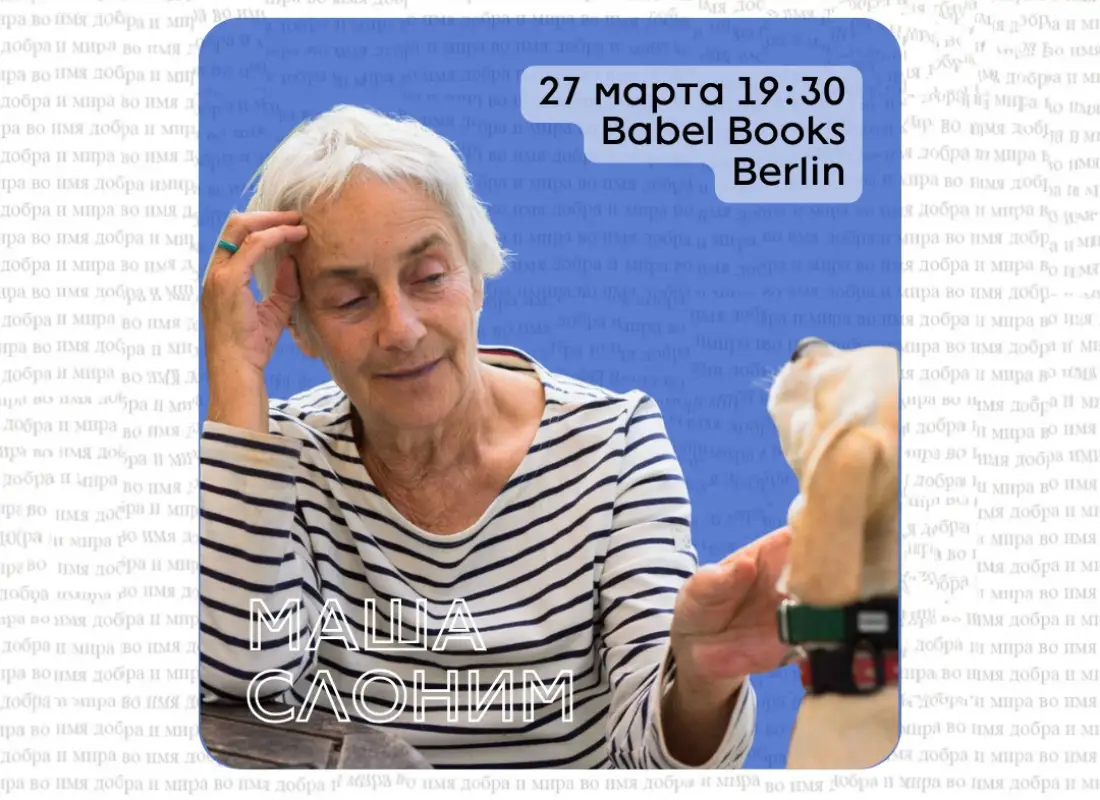
March 27 in Berlin: Masha Slonim. Presentation of the book Returns. An Unserious Memoir
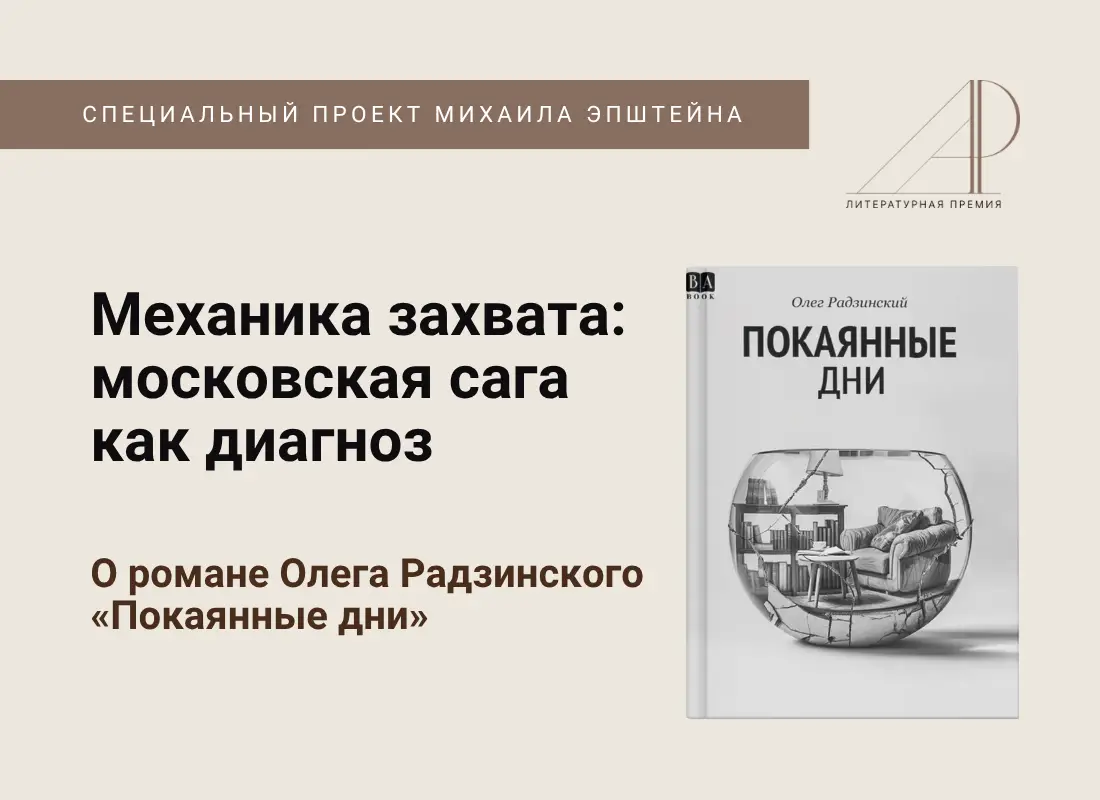 The Word to Claude
The Mechanics of Seizure: A Moscow Saga as Diagnosis. On Oleg Radzinsky’s Novel Days of Repentance
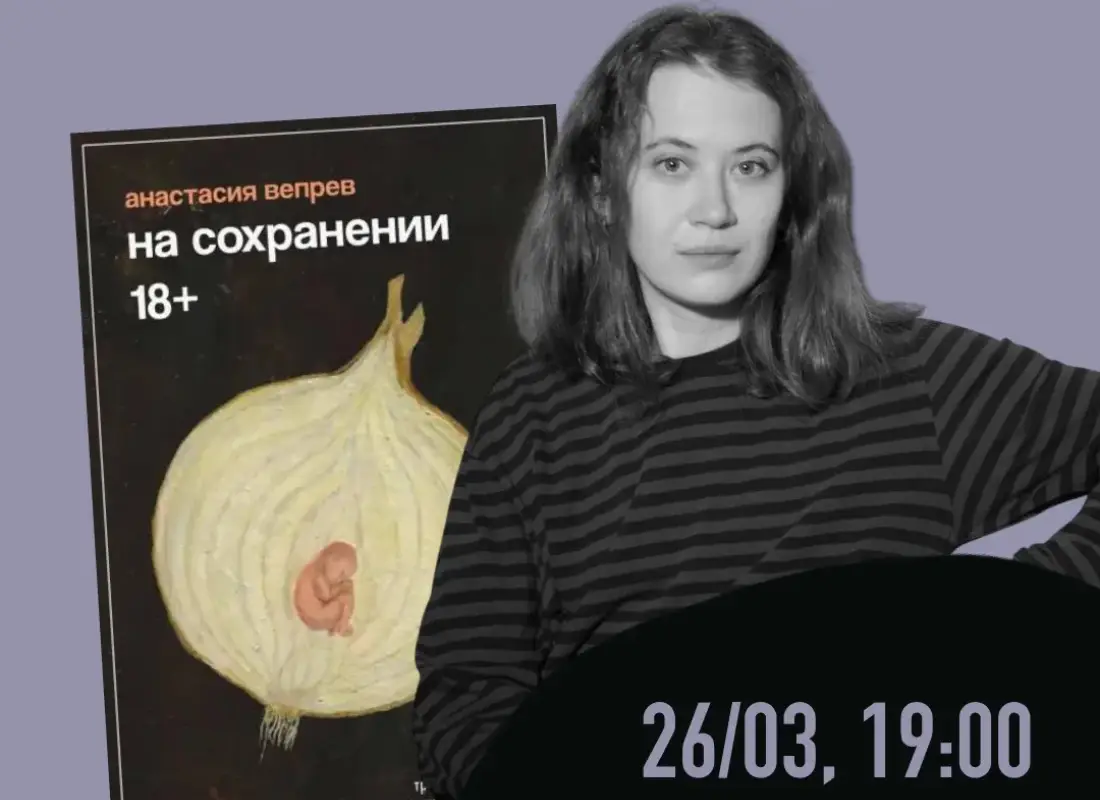 Event
Event
March 26 in Berlin: Presentation of Anastasia Vepreva’s book On Hold
 News
News
The Exeter UNESCO City of Literature Writers’ Residency is now accepting applications for 2026
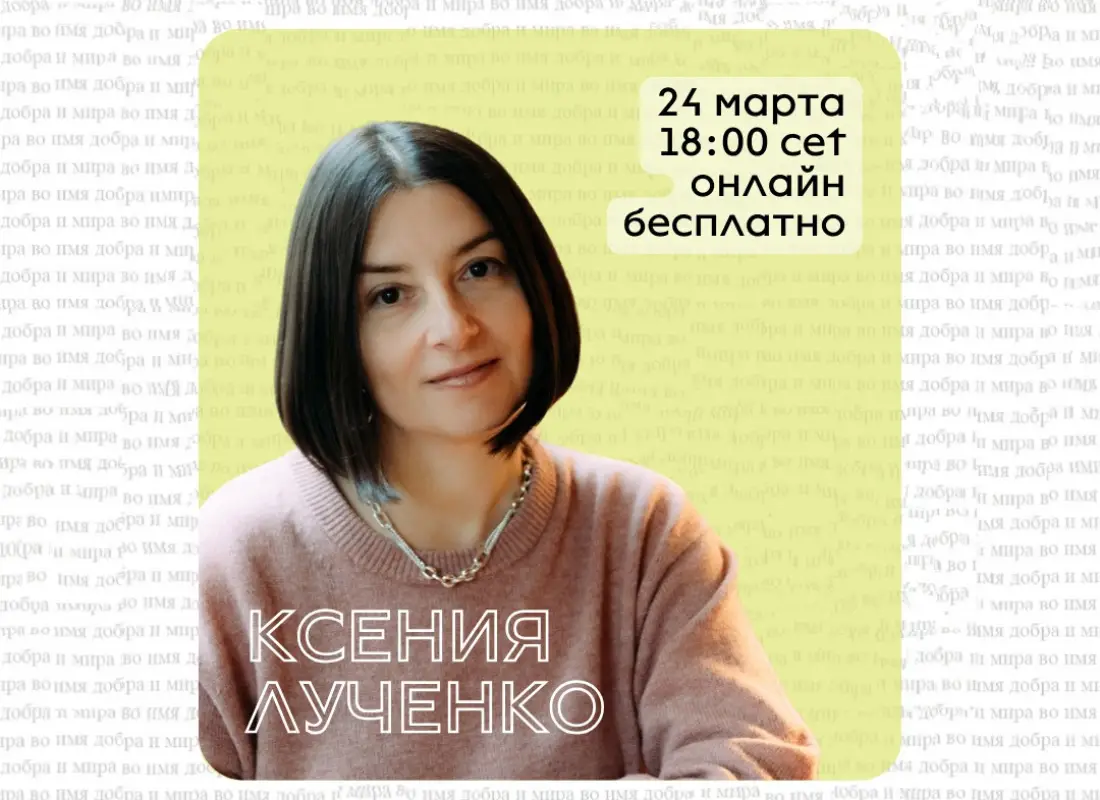 Event
Event
March 24, online, Ksenia Luchenko, “The Sacred Language of War: How Religious Narratives Legitimize Violence”
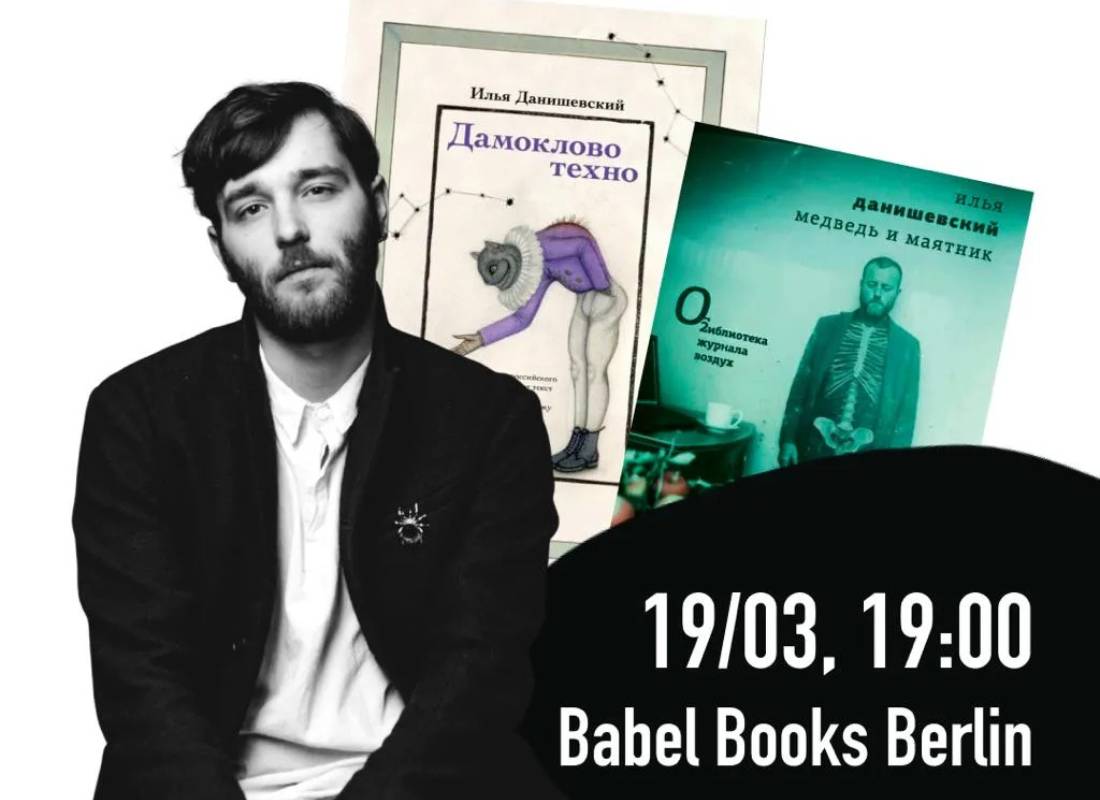 Event
Event
March 19 in Berlin: Ilya Danishevsky. Book presentation of "Damocles Techno" and "The Bear and the Pendulum"
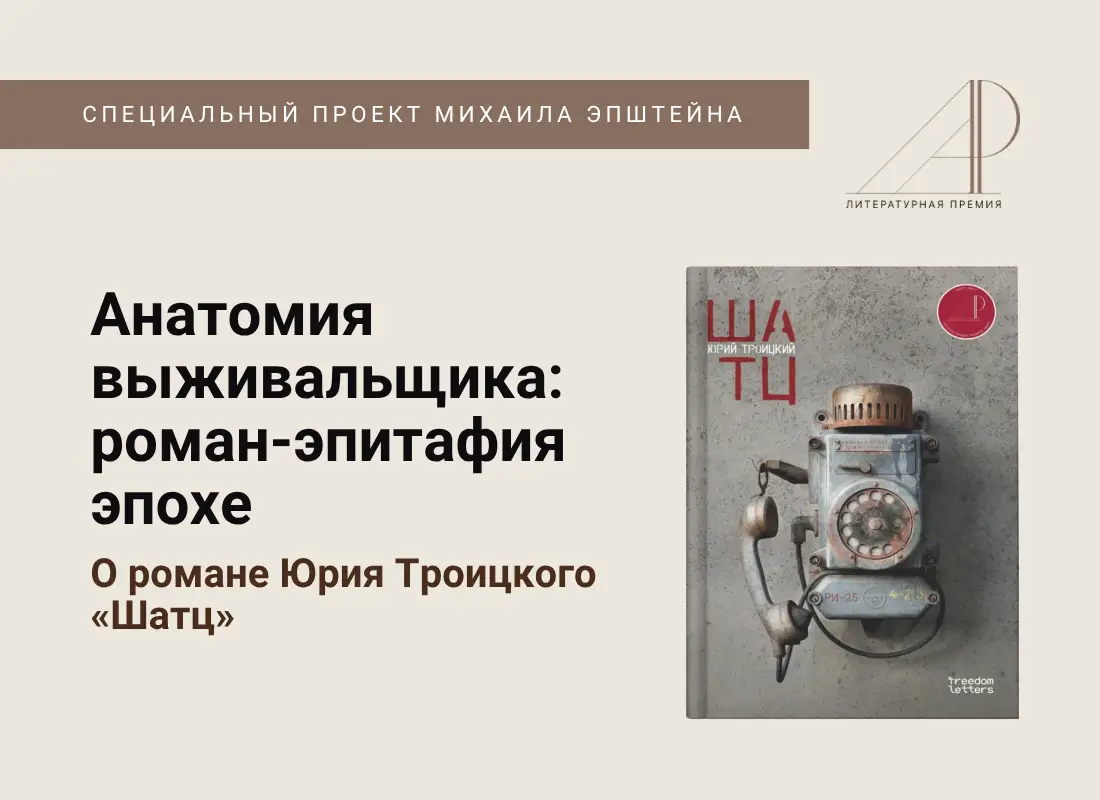 The Word to Claude
The Anatomy of a Survivor: A Novel-Epitaph for an Era. On Yuri Troitsky’s Novel Shatz
 The Word to Claude
Preface to the project The Word to Claude. Ways of Evaluating Literary Works
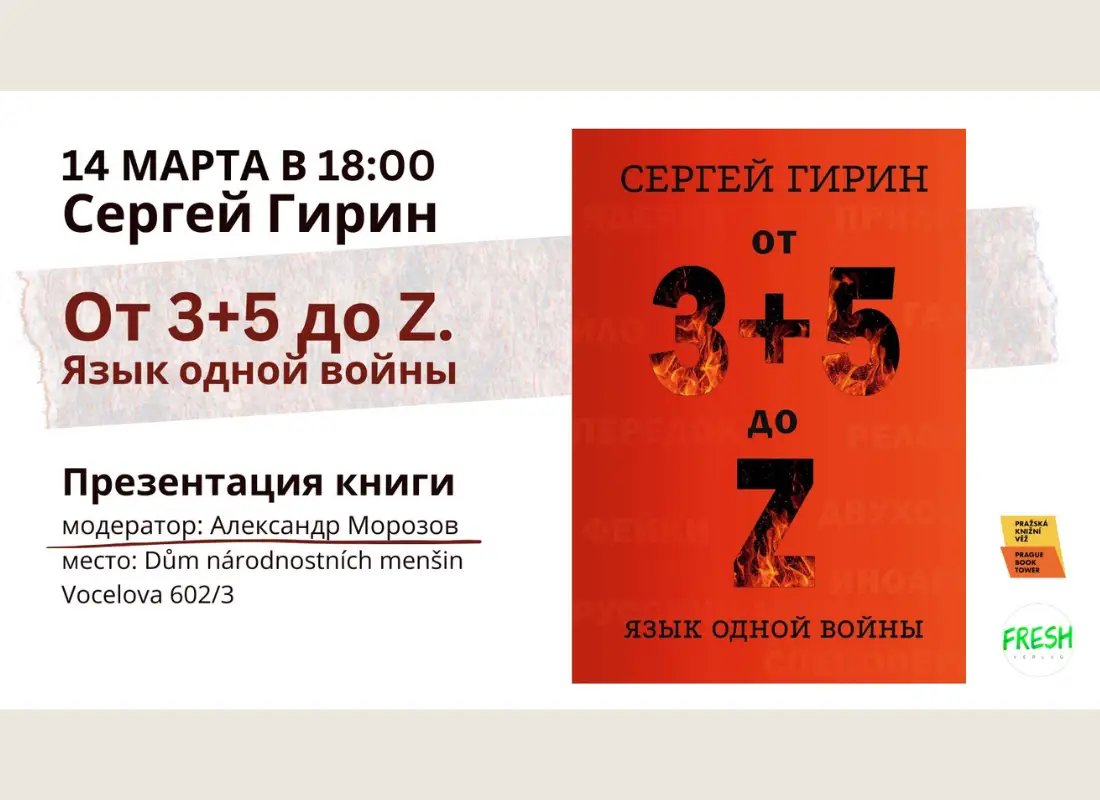 Event
Event
On March 14, Sergey Girin's book “From 3+5 to Z. The Language of One War” will be presented in Prague.
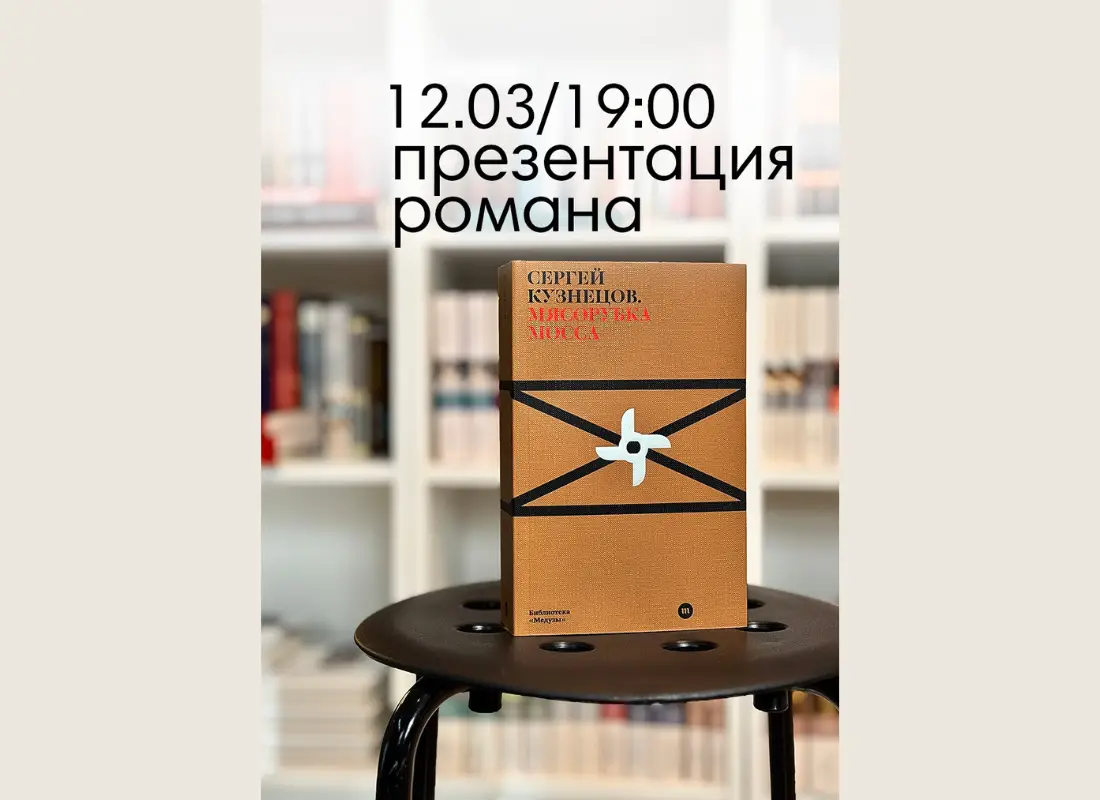 Event
Event
March 12 in Riga: presentation of Sergei Kuznetsov's novel Moss's Meat Grinder
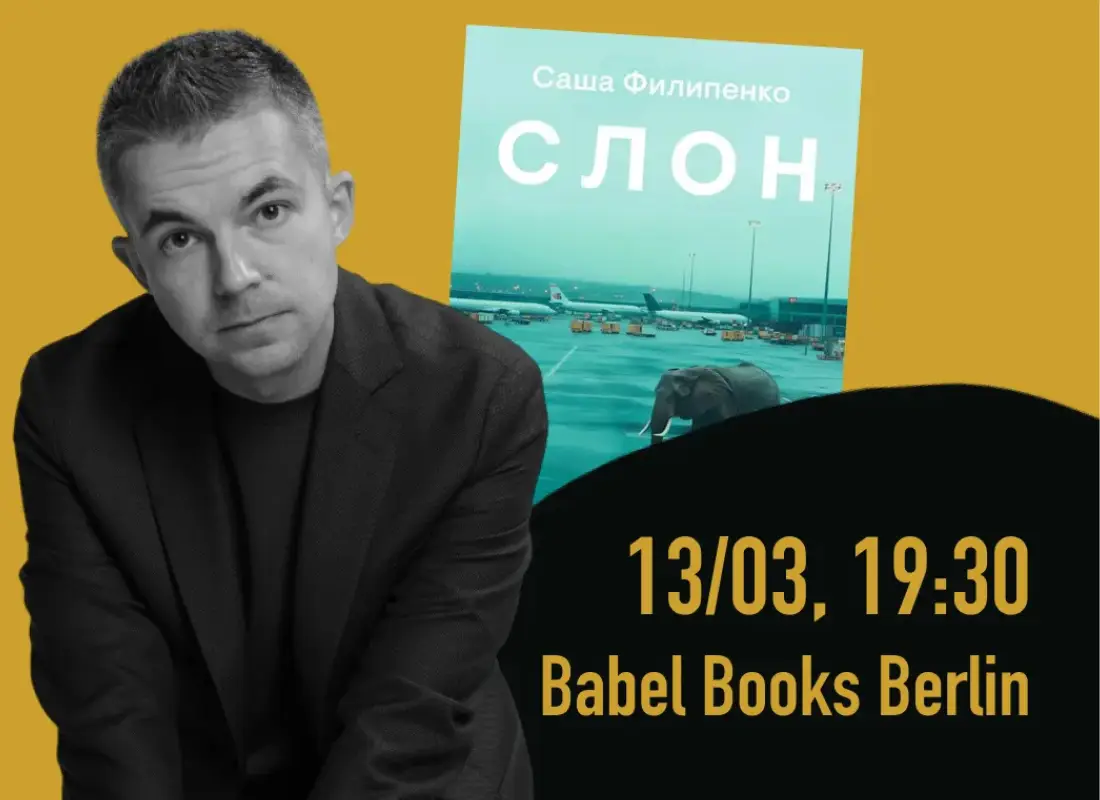 Event
Event
March 13 in Berlin Sasha Filipenko. “How We Fail to Notice the Elephant: Fear, Love, and Collective Blindness”
 Book
Book
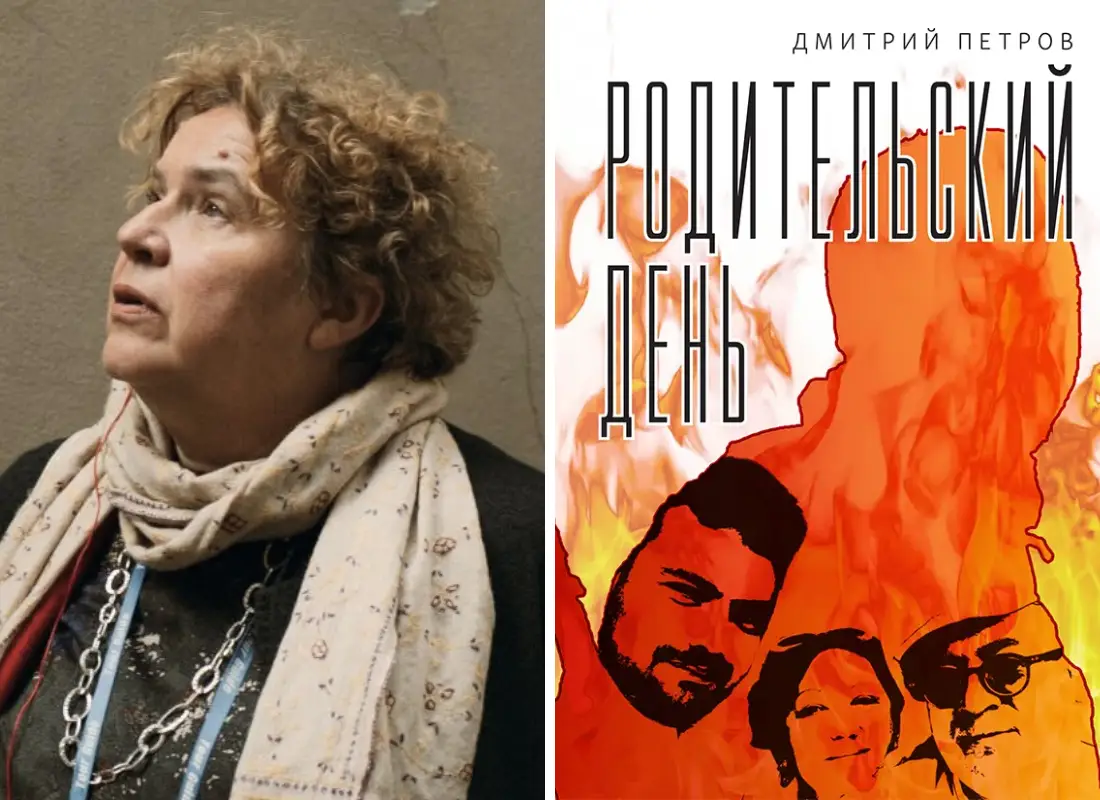
Tamara Eidelman on Dmitry Petrov's book “Parents' Day”
 Book
Book
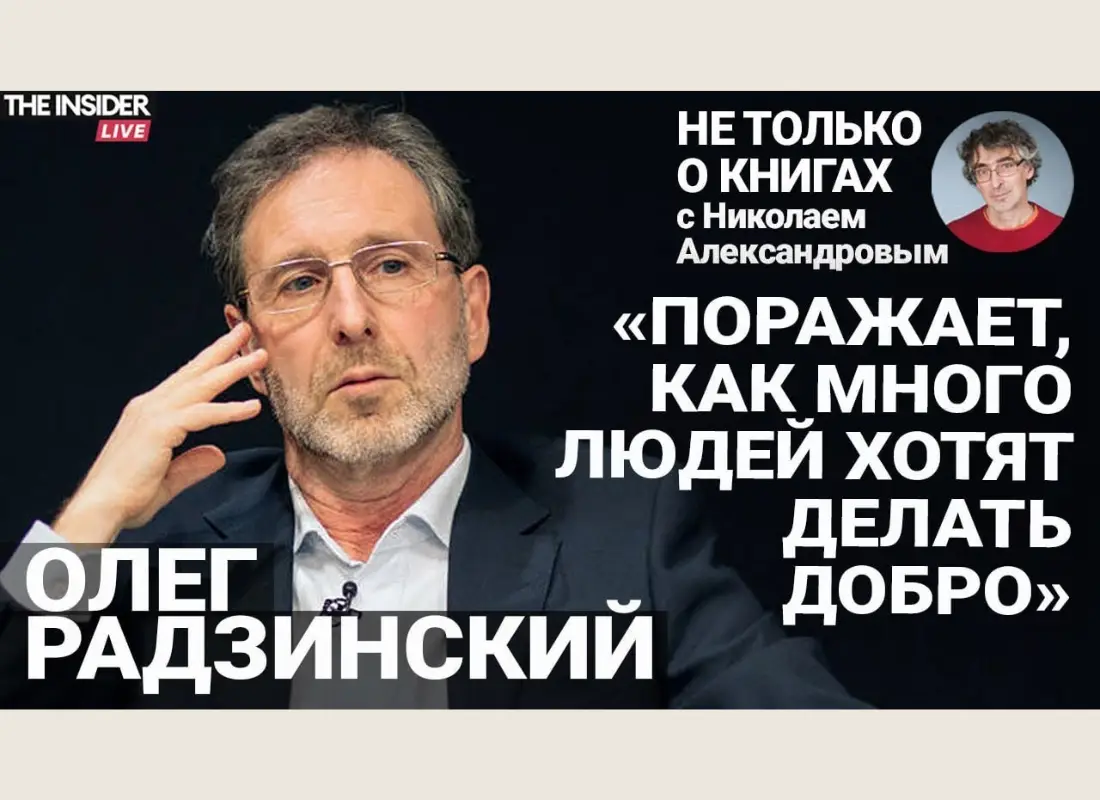
Oleg Radzinsky on the novel Days of Repentance — a conversation with Nikolai Alexandrov
 Event
Event
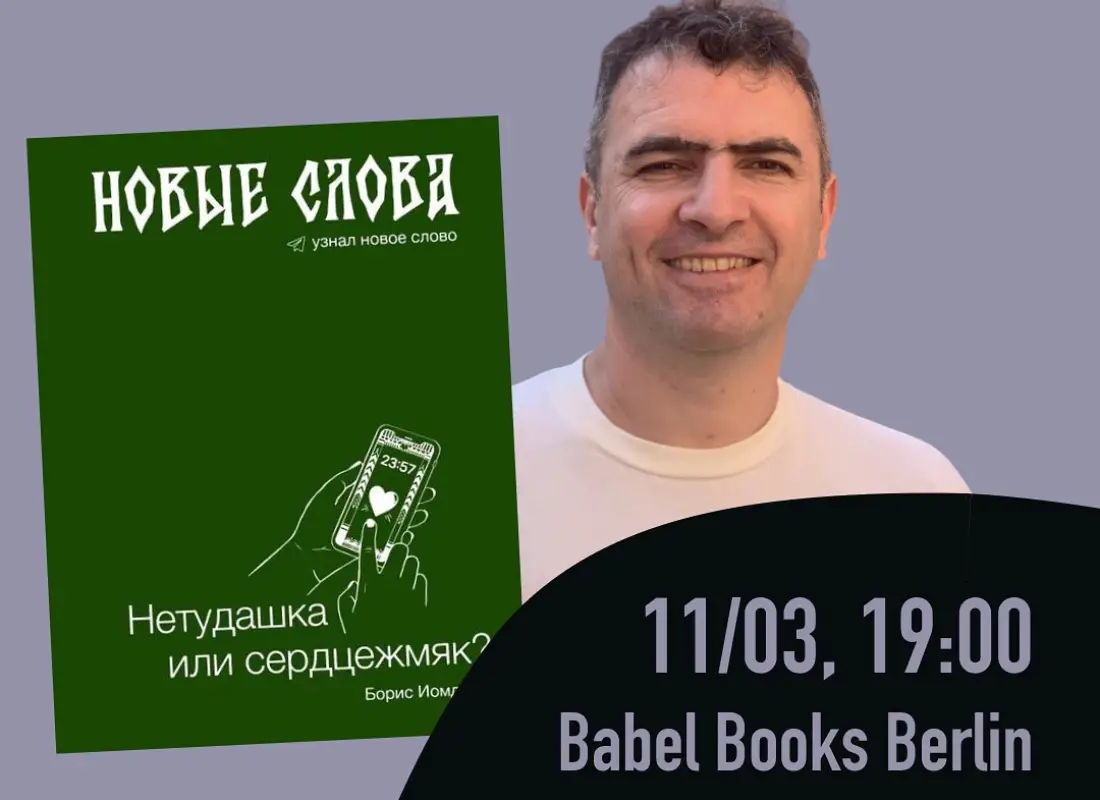
On March 11, Boris Iomdin's book New Words: Netudashka or Serdzhezmjak? will be presented in Berlin.
 Book
Book
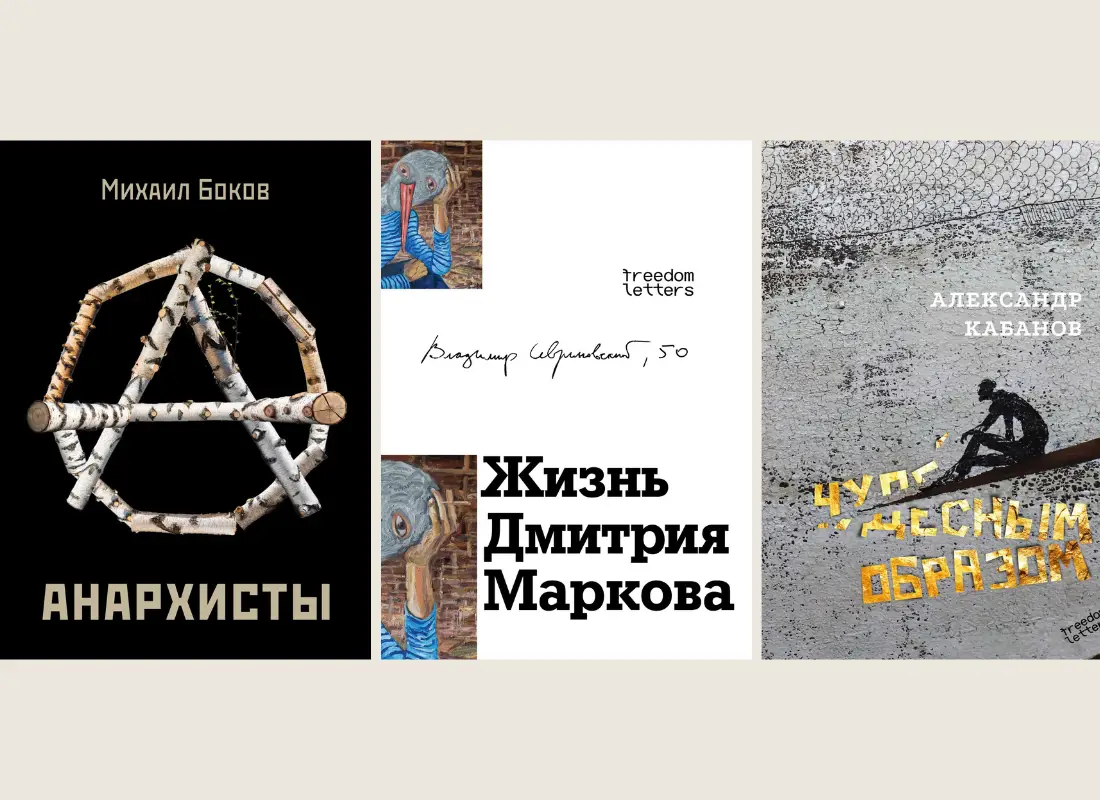
Freedom Letters in February: new books, translations, and meetings with authors
 Book
Book
Evgeny Feldman on the book Dreamers Against Cosmonauts, protests, and emigration
 About Dar Prize
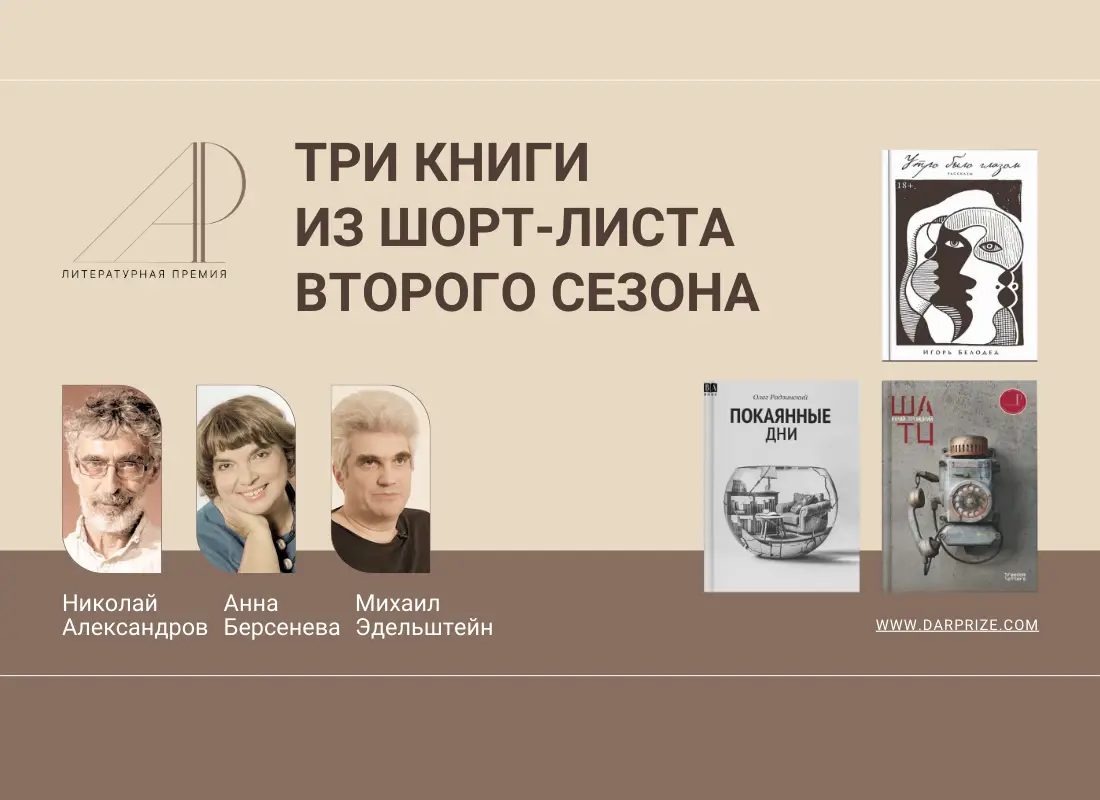
What to read? Literary critics discuss the shortlist for season 2
 Event
Event
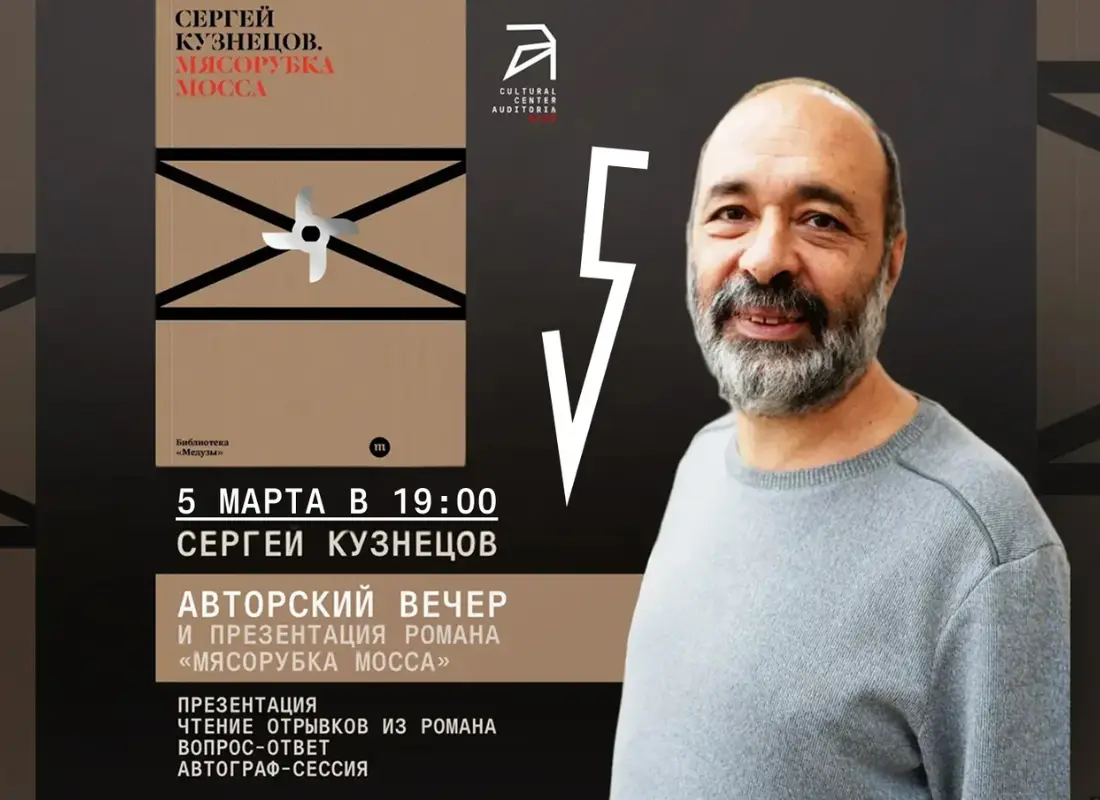
March 5 in Nice: Sergey Kuznetsov's author's evening
 Event
Event
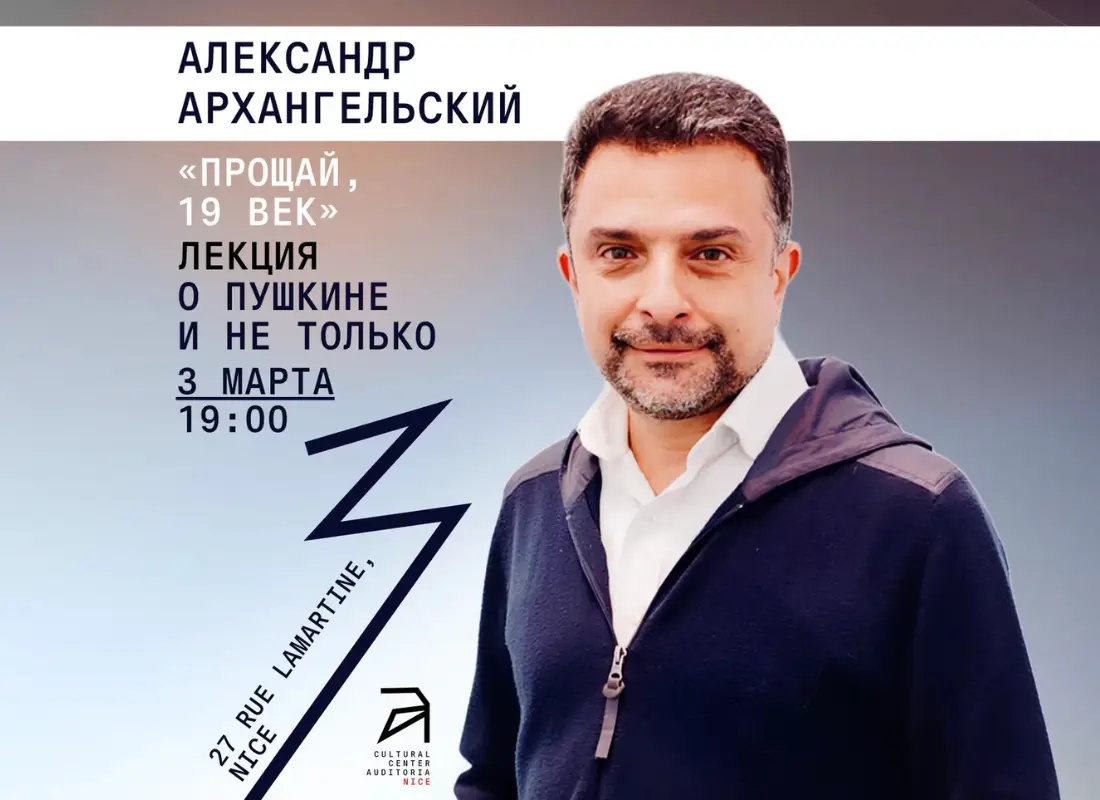
March 3 in Nice Alexander Arkhangelsky. “Farewell, 19th Century!”
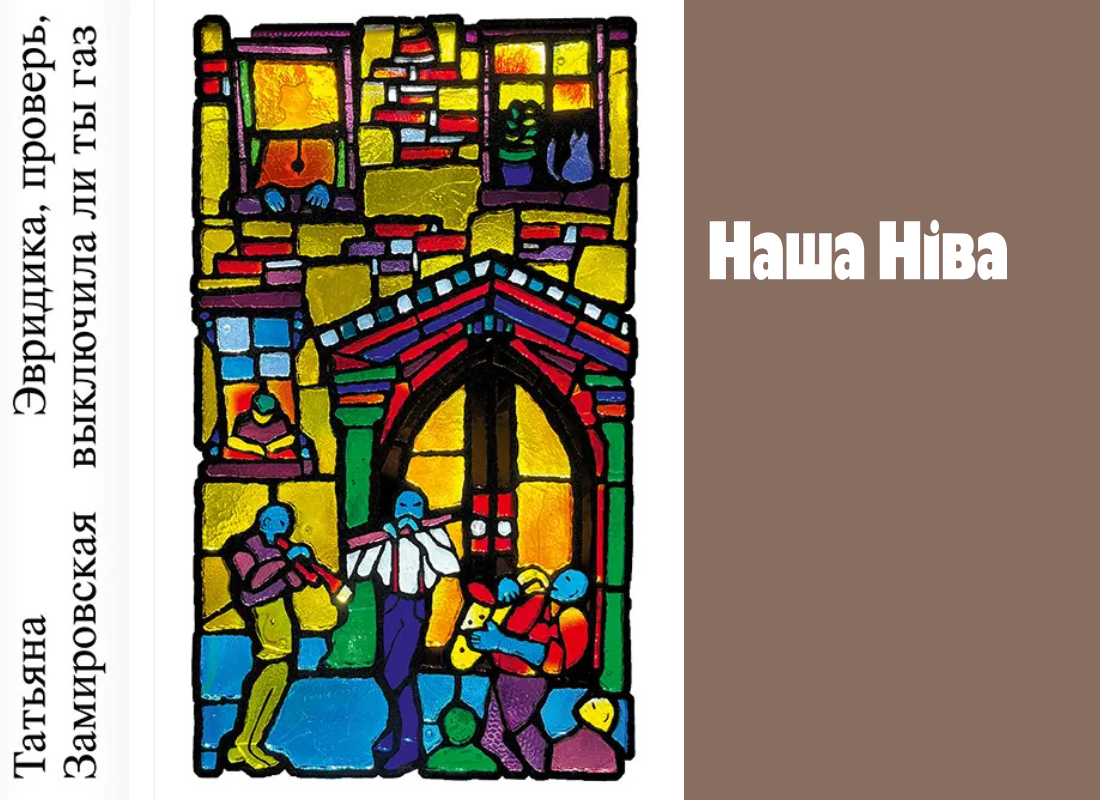 Review
How much Minsk is there here? Review of Tatiana Zamirovskaya's book “Eurydice, check if you turned off the gas”
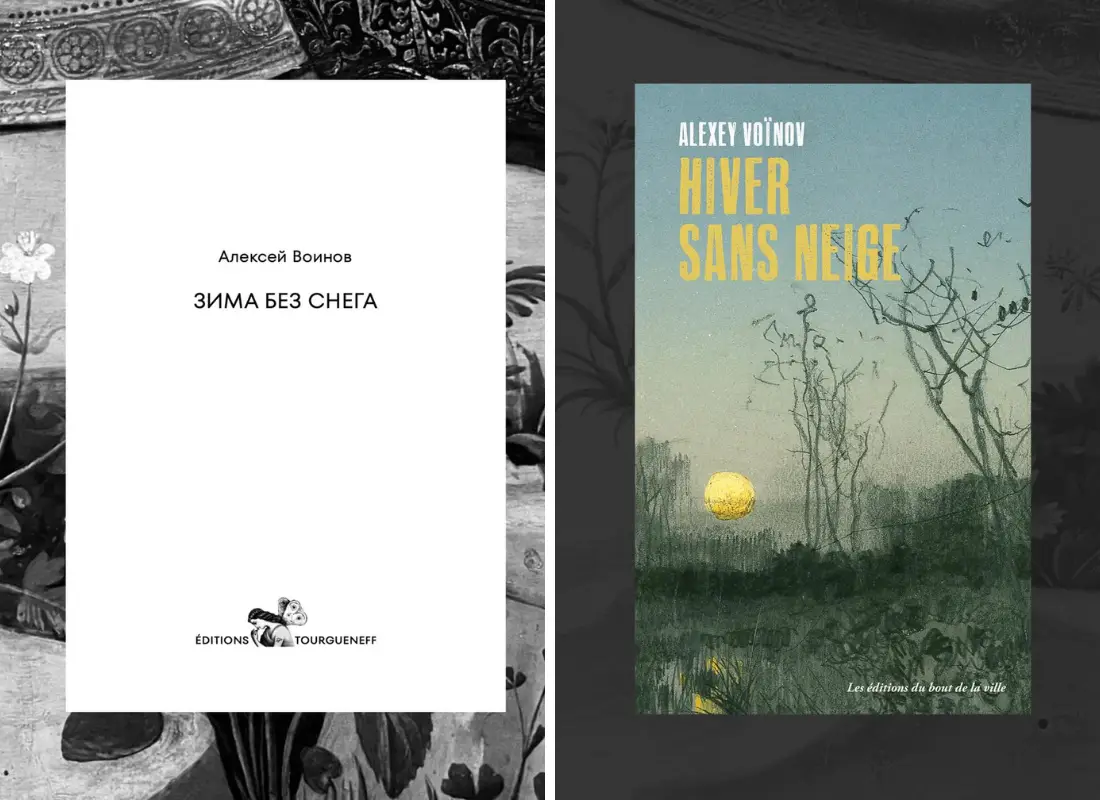 Event
Event
February 27 in Paris, presentation of Alexei Voinov's book “Winter Without Snow”
 Event
Event
February 26 in London and online discussion on post-Soviet independence and literature
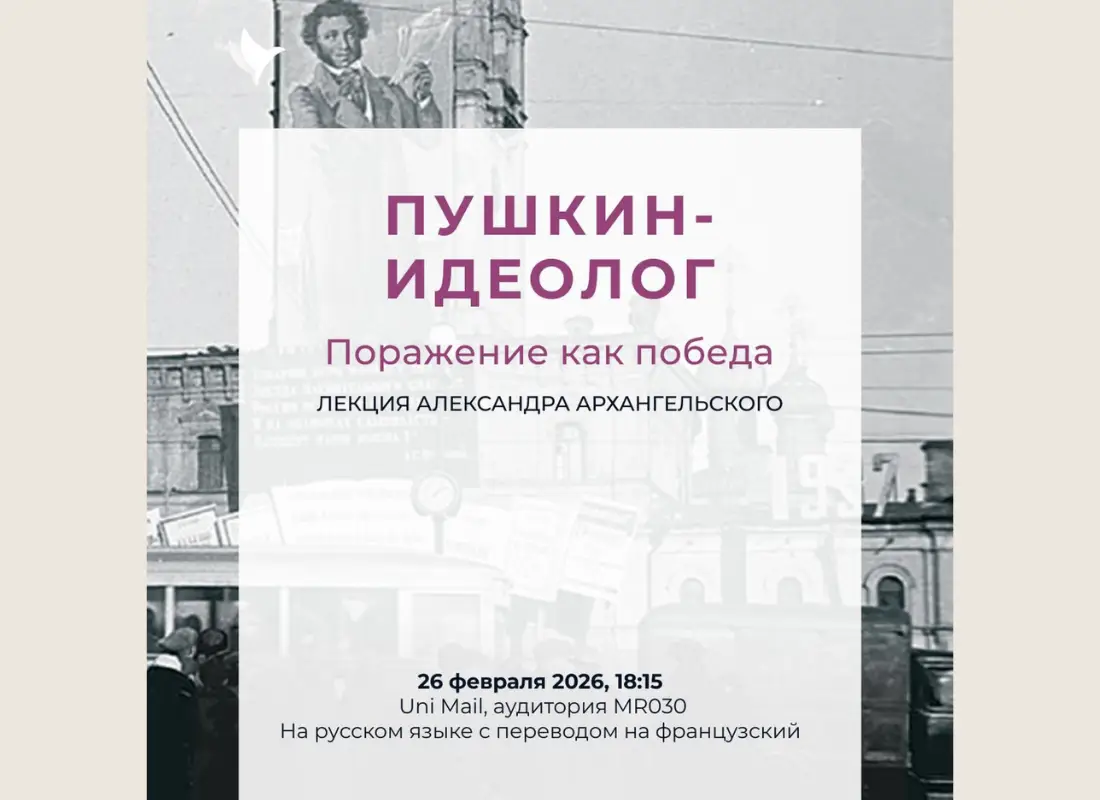 Event
Event
February 26 in Geneva: Lecture by Alexander Arkhangelsky, “Pushkin—The Ideologist. Defeat as Victory”
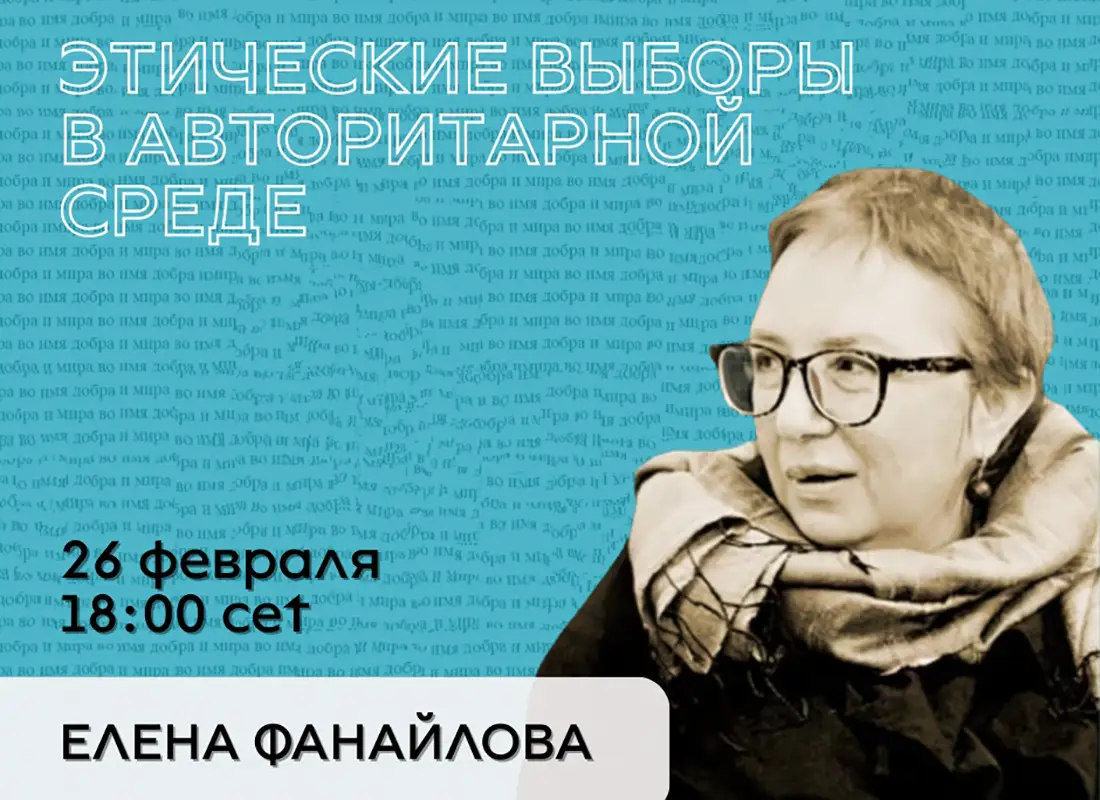 Event
Event
February 26: Online discussion with Elena Fanailova: “Ethical Elections in an Authoritarian Environment”
 Review
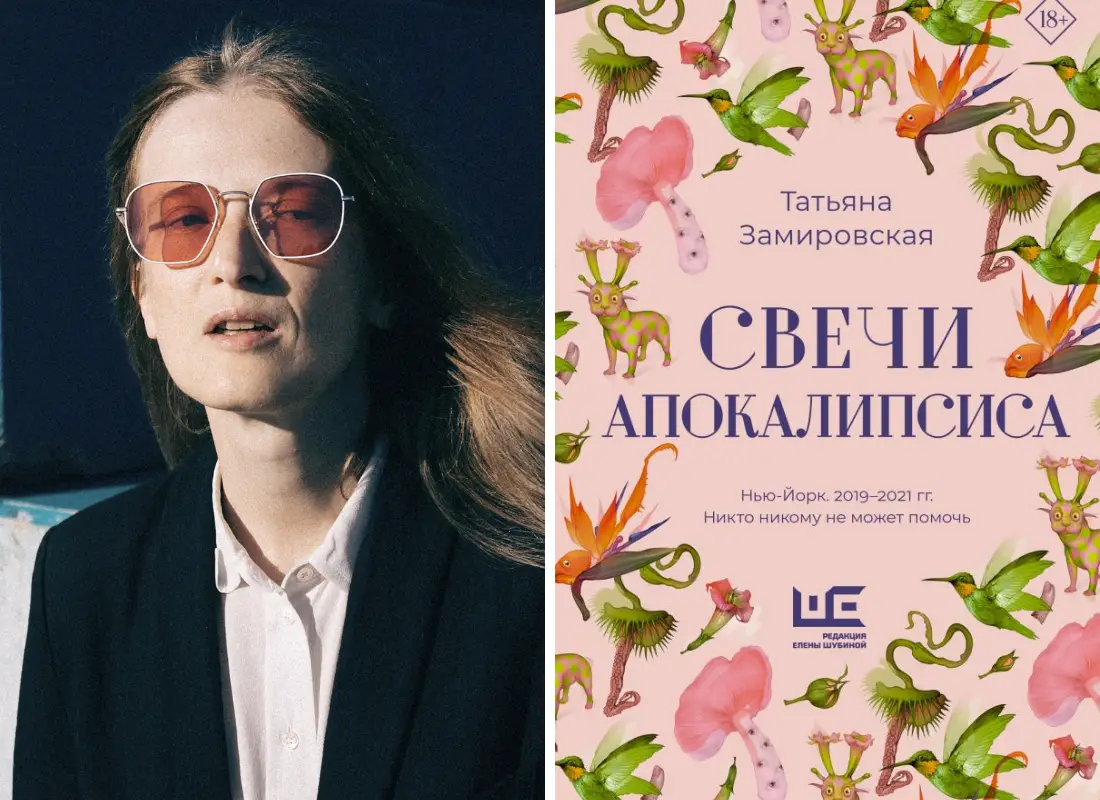
Tatyana Zamirovskaya, Candles of the Apocalypse: Emigration, Meaningless Work, and Times of Disaster
 Review
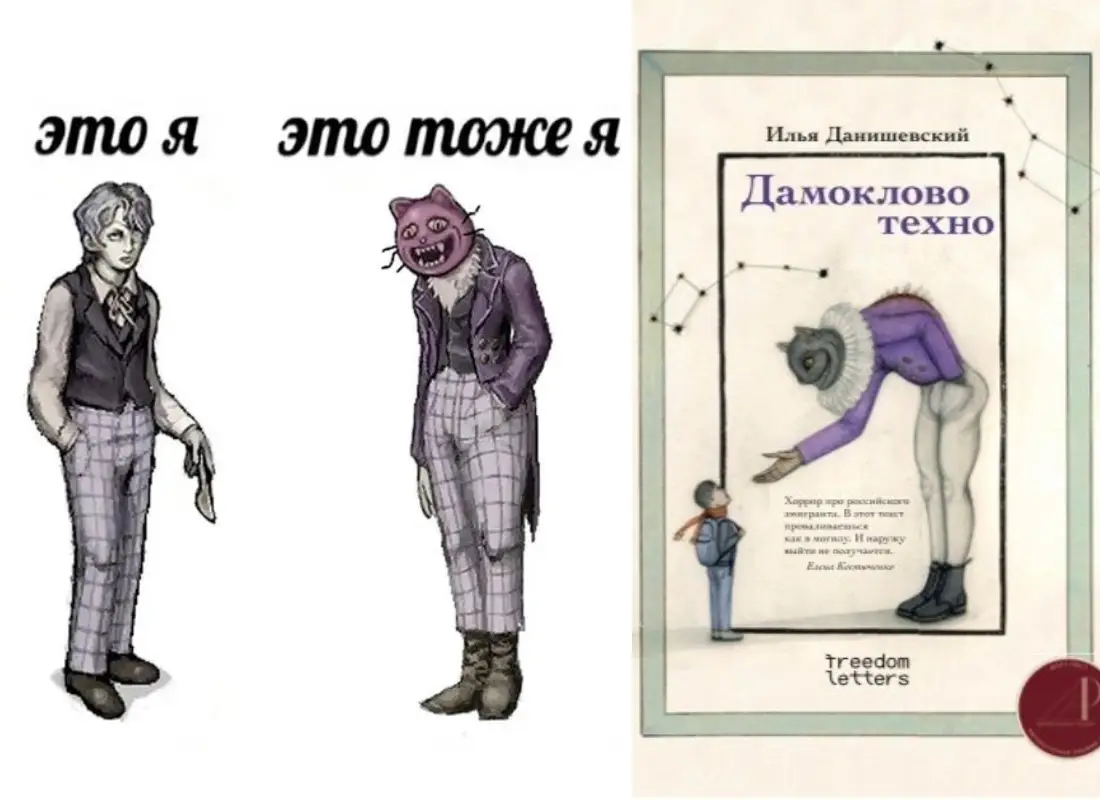
Techno of the Living and the Dead: On Ilya Danishevsky's Novel Damoklov Techno
 Event
Event
February 20 in London: Libris with Liberov meeting, “In Search of Daniil Kharms”
 Review
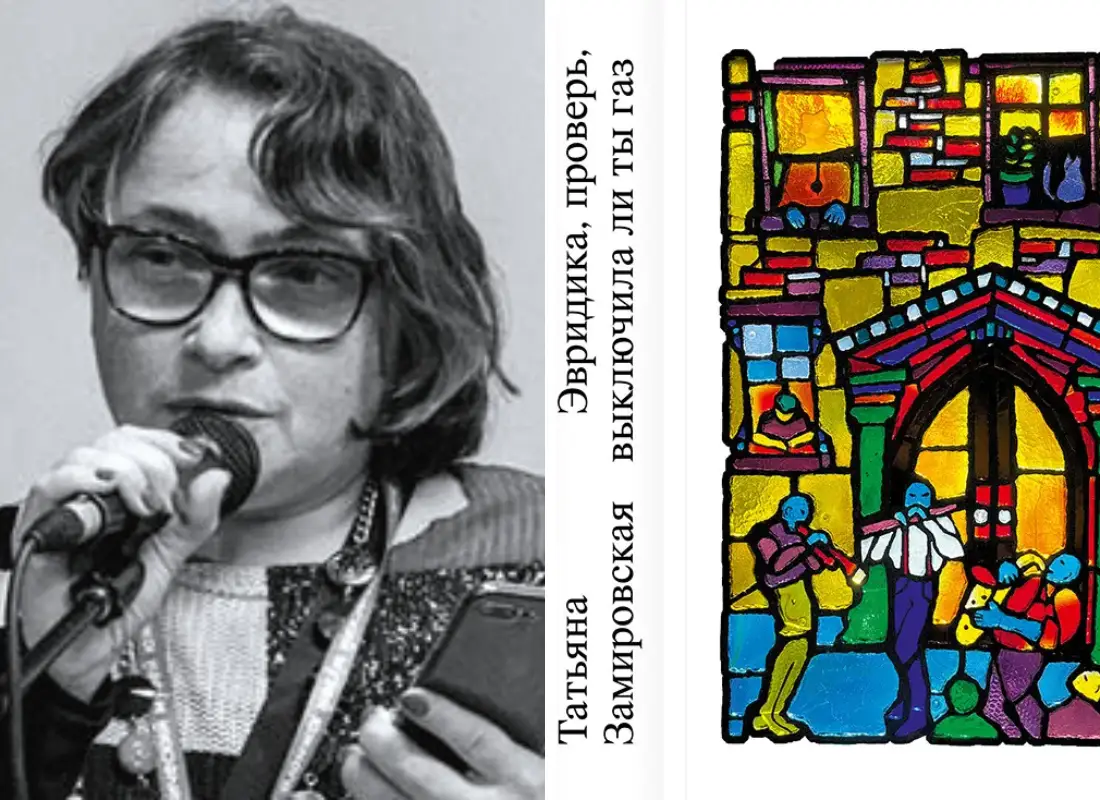
Evgenia Vezhlyan on Tatiana Zamirovskaya's book “Eurydice, Check If You Turned Off the Gas”
 Event
Event
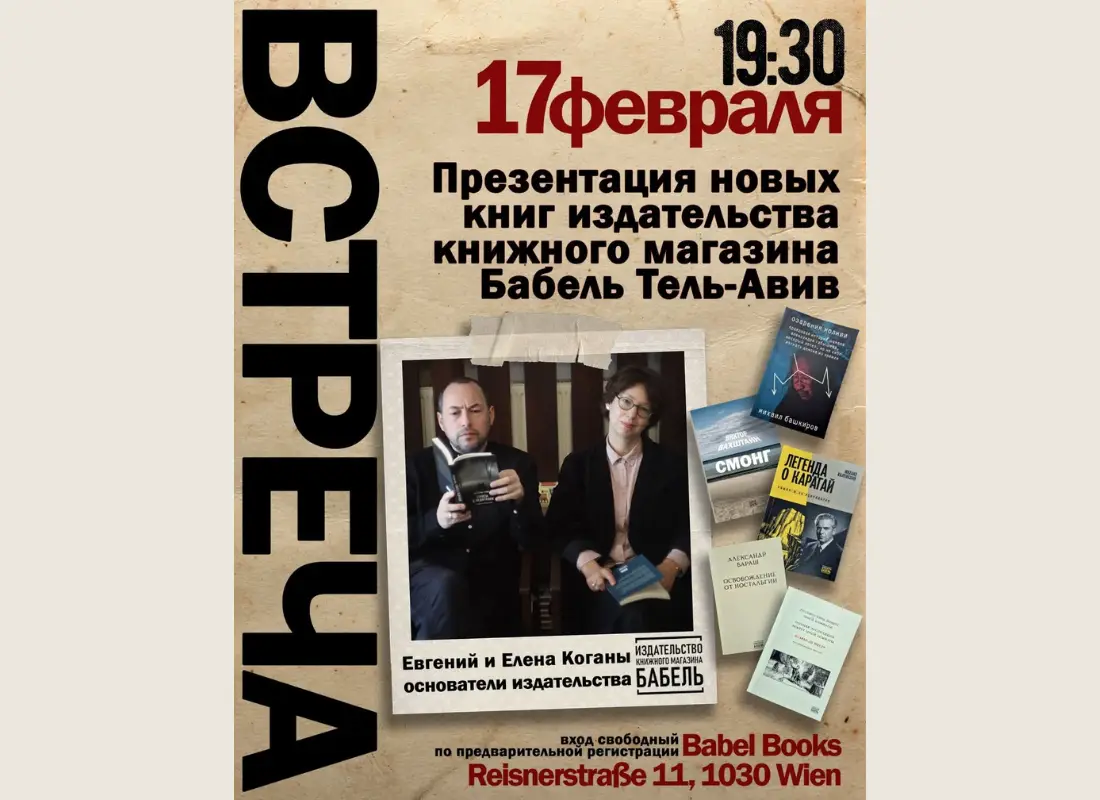
February 17 in Vienna: presentation of new publications by Babel Publishing House
 Book
Book
Ilya Danishevsky on the novel Damoklov Techno and resistance to violence
 Review
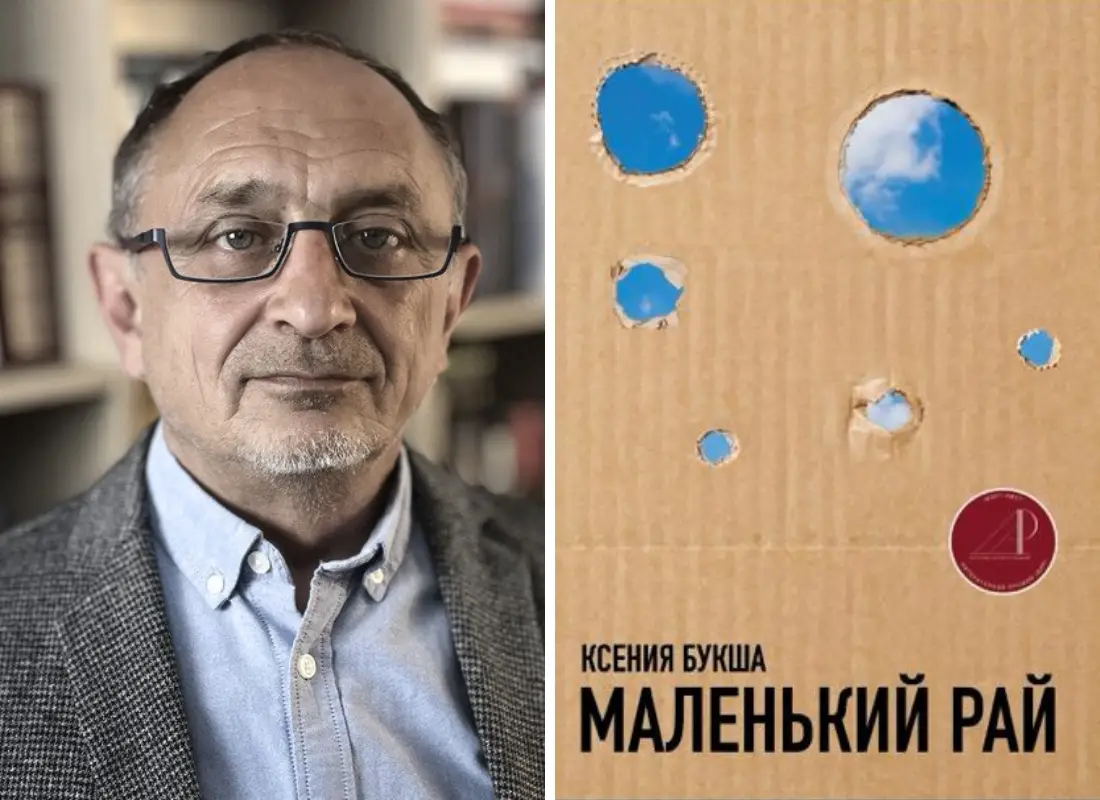
Alexander Morozov on Ksenia Buksha's novel Little Paradise
 Event
Event
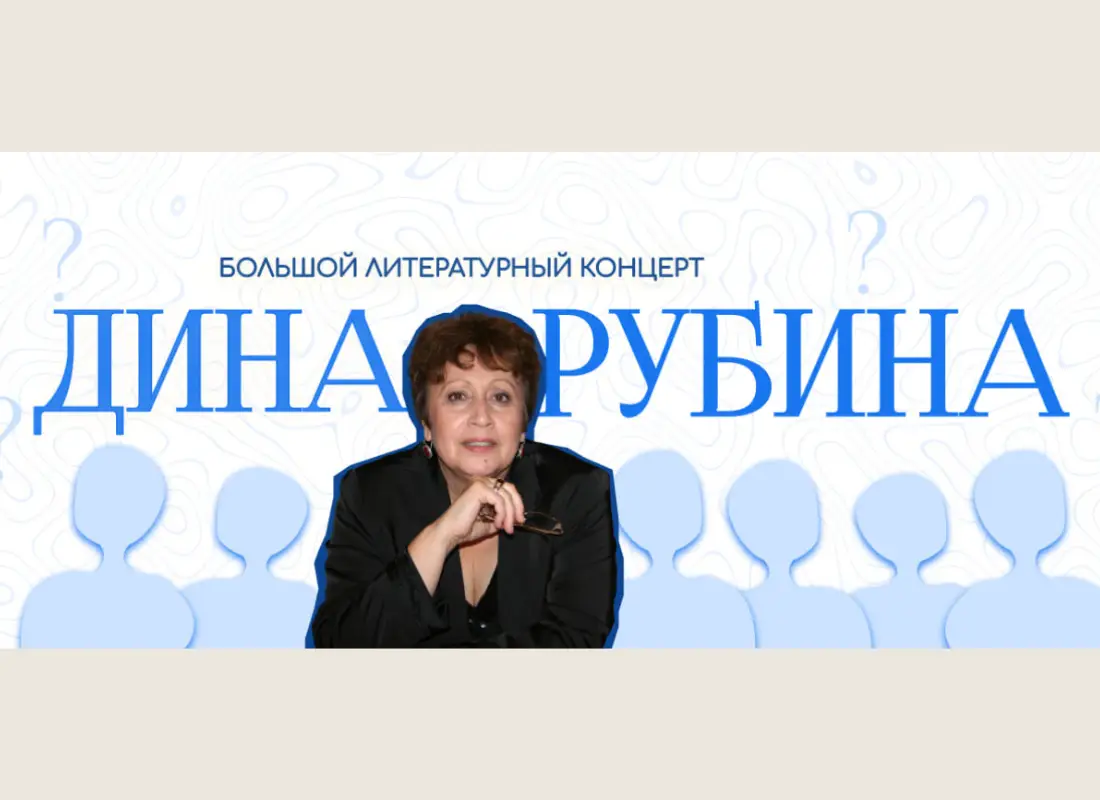
February 16 in Kfar Saba: a grand literary concert by Dina Rubina
 About Dar Prize
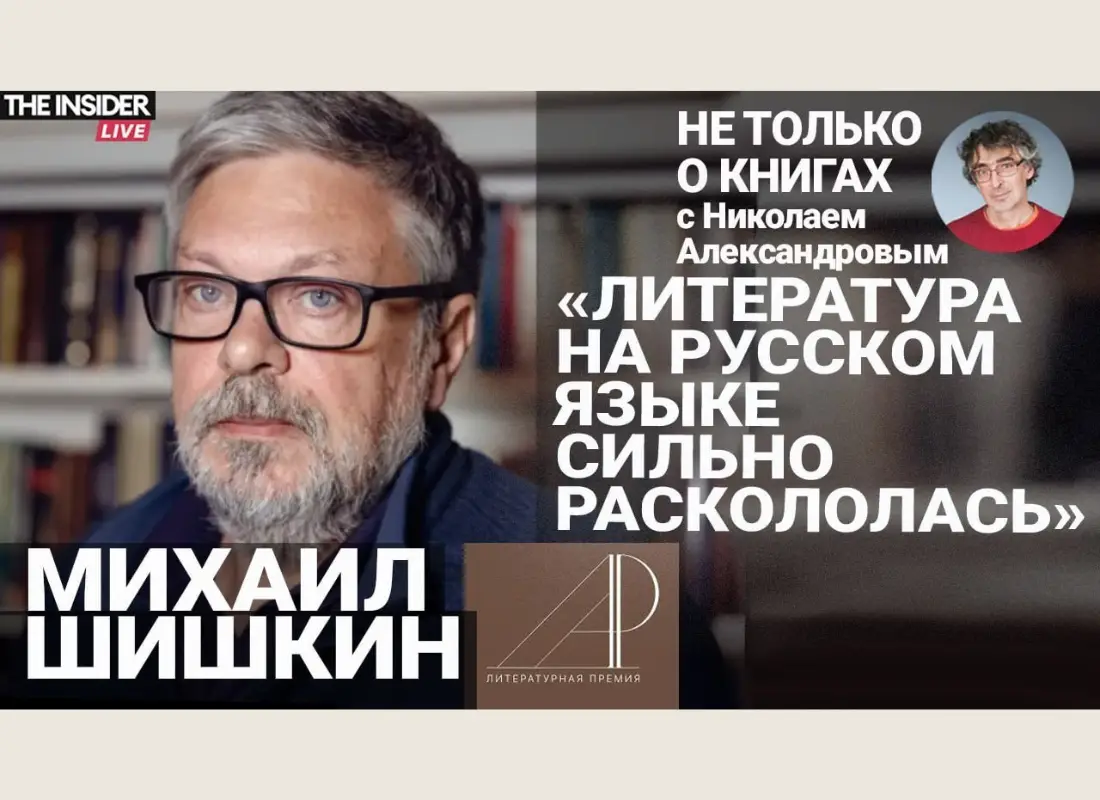
Mikhail Shishkin on the program “Not Only About Books” with Nikolai Alexandrov
 Event
Event
May 1–3 in Berlin, Bebelplatz Book Fair
 Event
Event
February 14 in Paris: presentation of Sergei Kuznetsov's novel Moss's Meat Grinder
 Event
Event
February 12 in Berlin: presentation of Andrei Arkhangelsky's book “The Country That Decided Not to Be”
 News
News
The Dar Prize logo on book covers
 Event
Event
February 10 in London: Mikhail Fishman and Arkady Ostrovsky. A conversation about the book The Successor.
 Event
Event
February 6 in London Reading Group on Mikhail Lermontov's novel “A Hero of Our Time”
 Event
Event
February 10 in Berlin: presentation of Mikhail Kaluzhsky's book “The Legend of Karagay”
 Event
Event
February 5 in London: presentation of Masha Slonim's book “Returns: A Lighthearted Memoir”
 Event
Event
February 11 in Belgrade, presentation of Andrei Bilzho's book “The Alphabet”
 News
News
We announce the list of finalists for the second season of the independent literary prize “Dar”
 News
News
Second season of the Dar Award. Shortlist announcement on January 29
 Event
Event
January 30 in London Roman Liberov, “When Poetry Becomes Destiny.” Osip Mandelstam
 Event
Event
January 28 in Riga, presentation of Anton Dolin's book “50 (fifty)”
 Event
Event
On January 25 in Vancouver, a concert of poems by Dmitry Bykov from the book “Rise!”
 Event
Event
January 22 and 24 in Belgrade and Budva: meetings with Alexander Arkhangelsky, “In Short, a Lecture”
 Event
Event
January 22 in Berlin: presentation of an unknown military archive and photo book Olga Ignatovich: In the Shadow of Big Brother
 Event
Event
January 23–24 in Seattle and Palo Alto Cinderella. A musical fairy tale for adults
 Event
Event
January 20 in Paris: Pushkin: Instructions for Use. Meeting with Alexander Arkhangelsky
 Event
Event
January 18 in Belgrade: Poetry evening with Ksenia Kirillova
 Event
Event
January 17 in Lisbon, presentation of Olesia Gerasimenko's book “Don't Close Your Eyes”
 News
News
The fifteenth season of the Nora Gal Award is now open
 Event
Event
January 15 in Berlin: presentation of Franziska Thun-Hohenschein's book about Varlam Shalamov, Writing Life
 Event
Event
January 14 in Berlin: presentation of Anna Winkelmann's book “The Best of All Possible Worlds”
 Event
Event
January 23 in Prague: presentation of the book “I myself became a Russian expatriate”
 Event
Event
January 10 in Berlin: Christmas readings by Zhenya Berezhnaya
 Event
Event
January 8 in Berlin: Presentation of Anna Fischmann's book Day by Day
 Review
On Freedom and Literature. Evgenia Vezhlyan
 Review
Book Chronicle: Poetry Books from Israeli Publishers 2023–2024. Anna Golubkova
 Event
Event
December 28 in London: Poetry evening with Evgeny Ostashevsky
 Event
Event
December 21, online, lecture by Lena Kostyuchenko, “Literature of the Ongoing Catastrophe”
 Event
Event
December 23 in Berlin: presentation of Evgenia Nekrasova's book “Kholodova Street”
 Event
Event
December 23 in London: presentation of Boris Filanovsky's book of poetry, Second Music
 Event
Event
December 18 in Berlin: presentation of Gleb Morev's book Joseph Brodsky: Years in the USSR. A Literary Biography
 Event
Event
December 11 in Berlin: presentation of Dinara Rasulova's poetry collection Lostlingual
 Event
Event
December 13 in Vienna: presentation of Ivan Chekalov's novel “Loneliness”
 Event
Event
December 13 in Berlin: presentation of Yegana Jabbarova's new novel Terra Nullius
 Event
Event
December 9 in Berlin: presentation of Petr Turekhin's book Landscapes of Lost Time
 Event
Event
December 10 in Tbilisi: presentation of the novel “500 Million Seconds” by Giorgi Japaridze
 Event
Event
On December 13, the book fair “Books.Blizko” will be held in Madrid.
 Event
Event
On December 6, a lecture entitled “Gaito Gazdanov – Writer and Emigrant” will be held in Tbilisi.
 Event
Event
December 4–6 in Prague: COYS’25 conference for young Slavic scholars
 Event
Event
December 5–6 in Paris, the BazarOff book fair celebrating the 150th anniversary of the Turgenev Library
 News
News
Conversation between Viktor Erofeev and Vladimir Sorokin on the author's program “Erofeev Forever”
 Event
Event
December 4 in Berlin: presentation of Mikhail Sokolovsky's book “The Dragon's Skeleton”
 Event
Event
December 3 in Prague: meeting with Viktor Erofeev and presentation of the novel “New Barbarism”
 Event
Event
November 29 in Berlin: presentation of Timothy Garton Ash's book “EUROPE: The Long Road from 1945 to the Present Day”
 Event
Event
The International Poetry Slam will kick off in Budva and Belgrade in November
 News
News
Shortlist for the Prosvetitel Award: a brief overview of all nominees from Meduza
 Event
Event
November 29 in Prague: presentation of the novel “The Shield and the Googl”
 Event
Event
November 26 in Prague Sergey Shelin and Marina Koldobskaya. Presentation of the book “Entertaining Russia. 228 Answers”
 News
News
Winners of Dmitry Zimin's “Enlightener” awards announced
 Event
Event
November 28 in Riga: presentation of Andrei Bilzho's book “Alphabet 2022” and mini-master class
 Event
Event
November 27 in Berlin: meeting with Olga Romanova and presentation of the book “The Bottle Game”
 News
News
The rebirth of Russian literature abroad. Alexander Baunov and Georgy Urushadze. Baunovcast
 Event
Event
November 20 in Lisbon: presentation of Sasha Skochilenko's book My Prison Trip
 News
News
Yegana Jabbarova received the Hamburg Literary Prize
 Event
Event
November 19 in Riga: an evening of readings by Yuri Olesha
 Event
Event
November 22 in Berlin: Discussion on “Contemporary Women's* Prose in Search of Home, Language, and Empathy”
 Event
Event
November 17 in Paris: presentation of the French translation of Riva Evstifeeva's “Boarding School Stories”
 Event
Event
November 17 in Berlin: presentation of Sergei Kuznetsov's book Moss's Meat Grinder
 Event
Event
November 14 in Berlin: presentation of Maria Danilova's novel “The Twenty-Sixth”
 Event
Event
Meetings with Vladimir Sorokin in Vilnius and Riga on November 26 and 29
 Event
Event
On November 12, Viktor Shenderovich's stand-up show “They caught a loud bird...” in Berlin
 Event
Event
November 11: Online presentation of Alexander Arkhangelsky's book “Just Classics! An Anti-Textbook on Literature”
 Event
Event
November 9 in Paris: Meeting with Polina Barsukova, “The Poet and Time”
 Event
Event
November 6 in Berlin: presentation of the book “The Northern Route”
 Event
Event
November 2: Meeting of the Babel book club in Vienna, “Emigration—is it good where we are?”
 Event
Event
November 14 in Prague: presentation of Dmitry Petrov's book “Parents' Day”
 Event
Event
Discussion of Lyudmila Ulitskaya's book “The Body of the Soul” at Pushkin House
 Event
Event
Meeting with Ivan Filippov in Berlin on November 6
 Event
Event
On November 18, a lecture on the poetics of “non-place” in Sergei Zhadan's prose will be held in New York.
 Event
Event
November 18, Armen Zakaryan in Berlin: “30 Seconds to Renaissance: The Last Novel of the Middle Ages”
 Event
Event
The Kulturus festival will take place in Prague from October 30 to November 28.
 Event
Event
On November 16, Auditoria Budva will host the second charity book garage sale.
 News
News
The rise of machines: a threat to peace? Artificial intelligence vs Putin 2.0. The conscience of AI. Mikhail Epstein
 Event
Event
October 22 in Helsinki, meeting with Ivan Filippov
 Event
Event
October 23, evening event with Linor Goralik at Idiot Books bookstore in London
 About Dar Prize
Results of the application collection for the second season of the Dar Prize competition
 Event
Event
October 15-19 Memorial at the Frankfurt Book Fair 2025
 News
News
Tomas Venclova wins the Baltic Assembly Prize for Literature 2025
Event
October 15 in Haifa: presentation of Dmitry Petrov's book “Parents' Day”
 News
News
The 2025 Nobel Prize in Literature was awarded to Hungarian writer László Krasznahorkai.
 Event
Event
October 10–12 in Munich: Echo Lubimovka Festival of New Drama
 Event
Event
October 13 in Vienna, meeting with Demyan Kudryavtsev
 Event
Event
October 24 in Porto: presentation of Sasha Skochilenko's book My Prison Trip
 News
News
US book publishers honor Russian dissident house Freedom Letters
 News
News
The Booker Prize 2025: shortlist announced
 About Dar Prize
Interview with Mikhail Shishkin in Novaya Gazeta Europe on the recognition of the Dar Prize as a foreign agent
 News
News
Shortlist announced for PolitProsvet special award
 Event
Event
October 2 in Berlin: Meeting with Viktor Erofeev, “New Barbarism”
 Event
Event
September 25: Online lecture by Yakov Klots on tamizdat
 Event
Event
October 5 and November 8: Dmitry Bykov in New York. Lectures, poetry, and discussions
 Book
Book
Two Hundred Brand New Shiny Cadillacs, the debut novel in English by New York-based prose writer Pavel Lembersky
 Event
Event
October 5 in New York: poetry concert and presentation of Dmitry Bykov's book “The Rise”
 Event
Event
October 3 in Riga: meeting with Olesya Gerasimenko and presentation of the book “Don't Close Your Eyes”
 Event
Event
September 24 in New York City is the launch of Alexander Genis' new book, Ours
 Event
Event
On September 12 in Prague, Vladimir Sorokin will present his new novel The Tale, moderated by Anton Dolin
 News
News
For the opening of the second season of the Dar Prize
 Event
Event
September 18 in Berlin big meeting with Vladimir Sorokin
 Event
Event
On August 22, Haim Ben Yaakov's book “Suitcase, Station, Israel” will be launched in Stockholm
 Event
Event
September 20-21, 2025 in Amsterdam for the cultural festival Vidim Fest
 Event
Event
September 12 and 19 in London Pushkin House - Reading Club on Ivan Turgenev's novel “Fathers and Children”
 Event
Event
Berlin International Literature Festival will take place from September 11 to 20, 2025
 Event
Event
The Prague Book Tower Fair will be held from September 12 to 14, 2025
 Event
Event
August 14 in Riga: Presentation of the book: “Suitcase, Train Station, Israel: On the History of Anti-Semitism in the USSR”
 News
News
Booker Prize 2025: international longlist of 13 books
 About Dar Prize
Results of the first season of the Dar Prize and plans for the second season
 Event
Event
July 17–19 — Philadelphia, Washington, New York. Dmitry Bykov. Lecture “Zone and Territory”: The Strugatskys and Kuvayev 50 Years Later
 Event
Event
On July 10, Olga Romanova's book “The Bottle Game” will be presented in Berlin.
 News
News
Russia in search of the apocalypse: Mikhail Epstein on eschatology and war
 News
News
Life, AI, and Evolution: A Dialogue Between Mikhail Epstein and Evgeny Kunin
 News
News
The Murder of Nastasya Filippovna: Mikhail Epstein and Claude Sonet reconstruct the “missing scene” from The Idiot
 Event
Event
The presentation of Igor Narovsky's book “Laughing Red” in Vilnius on June 29th
 Event
Event
June 27 is the first presentation of Sasha Skochilenko's book “My Prison Trip”
 Event
Event
On June 24, Olga Romanova will present her novel “The Bottle Game” in Prague
 Event
Event
On June 22 in Tbilisi will be held a creative evening in memory of poet Bakhyt Kenzheev and presentation of the collection of poems "Selected. 1972-2024"
 Book
Book
Freedom Letters has published Mikhail Krutikhin's new book The Last Days of the Shah's Iran
 Event
Event
June 22 in Berlin - Book Day by Meduza at Kunstraum Kreuzberg
 Event
Event
June 10 “My Pushkin” - Mikhail Shishkin and Alexey Botvinov as part of the Odessa Classics festival at Schloss Elmau
 News
News
The Freedom Books Awards announces the longlist
 News
News
Statement by Mikhail Shishkin, Chairman of the Jury of the Literary Prize “Dar”
 Book
Book
Sasha Skochilenko's book My Prison Trip has been published by Freedom Letters
 Book
Book
Freedom Letters Publishing House has published Vladimir Sorokin's new book “Skazka”
 News
News
Statement by Mikhail Shishkin, President of the Jury
 News
News
Statement of the winner of the contest of the first season of the Literary Prize “Dar”
 News
News
Open letter from the winner of the Dar Award of the first season Maria Galina
 About Dar Prize
Mikhail Shishkin - chairman of the jury of the independent Literary Prize “Dar” announced the results
 News
News
Winners of the Dar Award of the first season
 Book
Book
Pre-order Paul Lembersky's new novel Two Hundred Brand New Shiny Cadillacs
 Event
Event
On May 18, a book auction in Prague to support students and scholars, “Manuscripts Don't Burn 2025”
 Event
Event
On May 16 in Berlin, political analyst Sergei Shelin will present his books, "Entertaining Russia. 228 Answers“ and ”Russia After Putin and Trump"
 Book
Book
The book “Trialogies” by Ilya Kabakov, Joseph Bakstein and Mikhail Epstein has been published by NLO Publishing House
 Book
Book
Freedom Letters has published Alexander Genis's book “Amerika. The New World with an Accent
 Book
Book
Olga Romanova's novel “The Bottle Game” has been released by Freedom Letters publishing house
 Book
Book
In Chicago Journal: Dissident Russian Publisher Freedom Letters Releases J6 Satire The Insurrectionist by Russell Working
 Review
Sorin Brutus in “Novaya Gazeta. Europe” on the new Russian emigration: books by Anton Sekisov and Peter Turekhin
 News
News
Supporting authors in Berlin: scholarships for literature in other languages
 Book
Book
“Body Light” by Sergey Soloviev: new book and review of the novel ”Shakti's Smile”
 Review
Olga Balla-Gertman on Alexei Makushinsky's novel Dimitri: A Transhistorical Novel
 Review
French newspaper Le Monde talked about Ivan Filippov's novel “The Mouse”
 Review
“There is no meaningless.” About the novel “Lusha” by Karina Coqurell-Ferré - Switzerland for All
 Review
The Age of Zinc. What has Russian censorship achieved in three years? Answered by “Rhinos in the Bookstore” - Novaya Gazeta article
 Review
Dr. Clown Igor Narovsky - about laughter, pain and the power of play on the air of “And Graham Rumbled”
 Book
Book
“ZAO": an excerpt from Svetlana Petriichuk's play about love for convicts - ‘Novaya Gazeta’ piece
 Book
Book
An updated edition of Maria Galina's book “Near the War” has been published
 News
News
Eugenia Vezhlyan: “A lot of things need to look for names again”
 News
News
Speech by Mikhail Shishkin at the Berlin Bebelplatz Book Fair
 Event
Event
May 1-2 premiere of the play “Tuaregs” by Svetlana Petriichuk in Almaty
 News
News
Pack, label, cancel - literary censorship in Russia and emigration in SOTA's piece
 About Dar Prize
Anatoly Bely shares Mikhail Shishkin's letter and urges support for the Dar Prize
 Event
Event
On April 17, an online meeting with writer and literary critic Denis Beznosov will be held in the bookstore “Igra Slov” in Vladivostok
 Event
Event
On April 19, Vilnius will host the presentation of Irina Novik's book “I am a Deserter”
 Event
Event
April 15 in Riga Professor Andrei Zubov: lecture and presentation of the book “History of Russia XIX century. Volume 2”
 About Dar Prize
Презентация литературной премии «Дар» на Берлинской книжной ярмарке Berlin Bebelplatz
 News
News
From May 1 - acceptance of works for the Mark Aldanov International Literary Prize. Mark Aldanov
 Event
Event
Sergei Savelyev's book “Troyan. The Gulag of Our Time": reading in Berlin on April 5 and publication in Novaya Gazeta
 About Dar Prize
The people are worried about whether the tsar is a real tsar. Writer Mikhail Shishkin
 Review
Рецензия «2+2»: Домик няни, Кабиасы, Эйзенштейн и СПИД
 Review
Review of Riva Evstifeeva's book “Internat Stories” - Maya Kucherskaya on Pain, Truth and Hope
 About Dar Prize
Mikhail Shishkin on the Dar Prize, the Russian language, and resistance to the regime.
 Event
Event
April 4 in Berlin presentation of the Literary Prize Dar at the Berlin Book Fair - Berlin Bebelplatz
 Review
Nikolai Alexandrov's review of Sergei Shelin's book “Entertaining Russia”
 Review
Dmitry Bykov on his book “Arc”. Video
 Event
Event
April 4 at the Bebelplatz Berlin Book Fair Presentation of Irina Novik's book “I am a Deserter”, Freedom Letters Publishing House
 Event
Event
On April 6 at the Bebelplatz Berlin Book Fair, the presentation of Ivan Filippov's new book “Shadow” (Freedom Letters)!
 Book
Book
Vidim Books published the book “Troyan. The Gulag of Our Time” by Sergey Saveliev
 About Dar Prize
Independent Literary Prize “Dar”: “Now is the time to create a new type of culture in the Russian language”
 Review
The Impossibility of Balance: a review of Lesha Palkic's novel The Gopac Equation
 Book
Book
A large collection of Bakhyt Kenzheev's “Selected. 1972-2024”. Bakhyt Kenzheev, Sergey Gandlevsky
 Book
Book
Dmitry Bykov's book “VZ” has been published by Freedom Letters publishing house
 Book
Book
Freedom Letters publishes Andrei Kostinsky's book “My Lost House”
 Book
Book
How the Kremlin “denazified” the GDR: An excerpt from Alexander Genis's book “Fascisms,” published by The Insider
Book
Freedom Letters has published a book by renowned journalist and political analyst Sergei Shelin, titled “Entertaining Russia. 228 Answers.”
 Book
Book
Freedom Letters has released Ivan Filippov's new novel, The Shadow
 About Dar Prize
Michael Epstein on the Dar Prize. This is the gift of Freedom
 About Dar Prize
Ivan Vyrypayev on the Dar Prize for Literature. Literature is possible even in conflict with language
 Book
Book
Freedom Letters publishes Mikhail Epstein's book “Before the End of History? The Edge of the Russian Anti-World
 About Dar Prize
Maria Galina, Nikolay Kononov and Mikhail Shishkin about the Dar Prize in an interview with 3Sat
 Event
Event
The Berlin Bebelplatz book fair will be held for the first time in Berlin from April 3 to 6
 About Dar Prize
Nikolai Alexandrov: “Literature is under threat”
 Review
It was you who chose to kill. Olga Balla-Gertman's review of Ilya Danishevsky's book “Damocles Techno”
 Book
Book
Freedom Letters Publishers has released six new paper books
 Event
Event
On March 13 in London, writer Oleg Radzinsky and journalist Arkady Ostrovsky - Public Talk - presentation of the book “Penitential Days”
 Event
Event
On March 13, the presentation of Linor Goralik's book “Bobo” will take place in Amsterdam
 Event
Event
On March 6, Anna Narinskaya will present her father Anatoly Naiman's latest book, Blaha Fly, in Berlin
 Review
Igor Pomerantsev: essayism, language and memory - My First Bomb Shelter. A new word order.
 About Dar Prize
Poet Georgi Borisov joined the jury of the award against Putin's regime
 Event
Event
March 6 in Nice to meet with writer Mikhail Shishkin
 Event
Event
On February 26 in Berlin, a meeting with Viktor Yerofeev, which will include the presentation of his acclaimed novel “The Great Gopnik”
 Event
Event
February 28 in Yerevan meeting with poet, prose writer and literary columnist Denis Beznosov
 Book
Book
Vidim Books has opened pre-orders for Lyosha Palkic's book The Gopac Equation
 Book
Book
Vidim Books has started pre-orders for Dmitry Savelyev's new book “Troyan. The Gulag of Our Time”
 Book
Book
The Sefer publishing house published Valery Genkin's book “When not Elena”
 Event
Event
On February 20 in Podgorica, an evening dedicated to Lev Rubinstein and his unique genre of “card records”
 Event
Event
February 17 in Tbilisi meeting with Linor Goralik
 Review
Igor Mandel's review of “Love That Moves...” by Michael Epstein, in Secret Paths Magazine
 Review
Between eros and logos. About Mikhail Epstein's book “Memory of the Body: Stories about Love”
 Event
Event
February 27 in Basel Maria Stepanova - Questions of Time
 Event
Event
February 17 in Paris, a conversation about the poets of the “unnoticed generation” with Roma Liberov
 About Dar Prize
Alexander Morozov on the Dar Prize. New names beyond the influence of the Kremlin
 About Dar Prize
Alexander Delfinov on the Dar Prize. Books to be read
 News
News
How reading changes the brain: scientific findings on the impact of literature
 About Dar Prize
Then & Now Podcast with Teresa Cherfas - Mikhail Shishkin on the Dar Prize for Literature
 About Dar Prize
Grigory Chkhartishvili on the Dar Prize: supporting free literature
 Event
Event
On February 24, the University of Geneva will host a meeting with writer Nikolai Kononov
 Book
Book
“Love in Turbulence” by Dima Zitzer is Medusa Publishing's first book for parents
 About Dar Prize
How to preserve Russian literature under Putin? Mikhail Shishkin on the Dar Prize and the crisis of culture
 About Dar Prize
The Dar Prize: what it is and who has been shortlisted
 News
News
We congratulate the shortlisted finalists for the Dar Literary Prize!
 Book
Book
FRESH Verlag has published Mikhail Nemtsev's book “Clarity and Joy” - a collection of short philosophical essays.
 Book
Book
FRESH Verlag publishing house published the book by Alexander Motsar “Only Cacti Survive in War. Notes from Bucha”.
 Review
Who kills children? Ilya Danishevsky - about the book “Damocles Techno”
 Book
Book
The New Cambridge History of Russian Literature
 Review
The Temptation of Extreme Positions. Sorin Brutus talks about the successes and missteps of a book by one of the most brilliant Russian-language writers of our time, Dmitry Bykov
 News
News
A new bookstore Auditoria has opened in Belgrade!
 Book
Book
Dmitry Bykov's new book “Demon Defeated” has been published by Freedom Letters publishing house
 Book
Book
Linor Goralik's book “Bobo” has been published by Vidim Books
 Book
Book
Freedom Letters has published the book “Victory Will Be Ours”
 News
News
Director Andrei Khrzhanovsky in Novaya Gazeta about Greg Miller's novel The Kuleshov Effect
 Book
Book
Eduard Lukoyanov on Lev Rubinstein's new book The Secret Passage for the Gorky publication
 News
News
An interview with Alexander Gavrilov, founder of Vidim Books, was published in the Novosti-26 Telegram channel
 Book
Book
Freedom Letters publishes Sergei Shelin's book “Entertaining Russia”
 News
News
The new season of Linor Goralik's podcast audiobook, The Chitka, has begun to be released
 Book
Book
Linor Goralik's book “Bobo” is being released by Vidim Books
Book
A new book by Lev Rubinstein, 'The Secret Move', will be released soon
 Book
Book
Mikhail Kaluzhsky's book 'Several Stories' is being published by 'Babel' Bookstore Publishing
 Book
Book
A haiku book by Stanislav Belsky has been published by Red Moon Press
 Book
Book
Freedom Letters is publishing Greg Blake Miller's novel The Kuleshov Effect
 Review
Critic Liza Birger on the novel '(Not) About the War' by Zhenya Berezhnaya
 News
News
Interview with Lyubov Machina, founder of Fresh Verlag, in the Gorky magazine
 Review
Evgeniya Vezhlyan for Slova Vne Sebya on Maria Stepanova's book 'Focus'.
 News
News
A new issue of the literary and art magazine “Zerkalo” has been published
 Book
Book
“Novaya Gazeta” about Maria Makeeva's literary debut novel ”Bears Ears. Amber Man.”
News
The Gorky publisher and co-founder of Falanster bookstore Boris Kupriyanov wrote about Olga Morozova
 Book
Book
Zhenya Berkowitz's book, “Pets,” has been released
News
A new issue of ROAR, the newsletter of anti-war and oppositional culture, has been published
 Review
Novaya Gazeta Europa published a review of Alexei Navalny's book “Patriot”
News
The Gorky magazine published a text in memory of Vladimir Mikushevich
Book
Slova vne sebya Media has published an excerpt of Zhenya Bercovici's new book, “Pet”
 Review
Demagog magazine has published a review by Fedi Otroschenko of Michael Eisenberg's new book of poems, Don't Touch Us
News
The Gorky magazine published texts in memory of Arkady Shtypel and Shamshad Abdullayev
 Book
Book
Freedom Letters has published Ali Haitlina's book Four Days to Spring
Book
A new chapter of Zinovy Zinik's novel Stolen Handwriting has been published in Demagogue magazine
 Book
Book
In an interview with Radio Prague International, Eugene Demenok talks about his new book “Leaving Can't Stay. From the Burliuk and Delaunay Family Correspondence”
 Book
Book
Anna Narinskaya in The Moscow Times about Zhenya Berkovich's new book “Pets”
 Review
The Gorky has a review of Anton Sekisov's new book “The Resort”
 Review
Critic Lisa Birger talks about Konstantin Zarubin's novel Our Heart Beats for All
 Review
The Wiener Slawistischer Almanach published a review by Eugene Koziura of the book “Poems of Golubchik-Gostov” published by Babel Bookstore Publishing House (Tel Aviv)
 Review
“Understanding Misunderstanding.” Mikhail Edelstein about Anna Narinskaya's book “Nothing Like This” for DA MAGAZINE.
 Book
Book
Especially for Words Beyond Myself, Lev Oborin wrote a review of Anatoly Naiman's posthumous collection of poems
Book
Specially for Meduza, writer and journalist Mikhail Zygar read Alexei Navalny's autobiography
 Event
Event
Frankfurt Book Fair 2024
 Book
Book
Freedom Letters publishes new editions of Yuli Dubov's novels
 Book
Book
The book “Territory of Memory” by Denis Beznosov is released
Book
The novel “(Not) About War” by Ukrainian writer Zhenya Berezhnaya is published by Meduza Publishing House
News
Gorky published a review of Maria Stepanova's novel “Focus”
 News
News
The publishing house Vidim Books has released a limited edition of Viktor Shenderovich's book “Devyanoska”
 News
News
The Vidim Books publishing house released Boris Belenkin's book “Memorial”.Taken Home”
 News
News
Sasha Filipenko's Writer's Stand-Up
 News
News
Books by Peter Aleshkovsky and Maria Galina have been published by Mikhail Greenberg Library Publishing House
News
Konstantin Zarubin's novel “Our Heart Beats for All” is published by Meduza Publishing House
 News
News
Greetings from “EU Public Diplomacy - Russia”
 News
News
Nasha Gazeta (Switzerland) about the Dar Prize
 News
News
“We need to give literature in the Russian language a new life”. Interview with Mikhail Shishkin, Chairman of the Dar Prize Jury.
News
Literary Prize “Dar”
News
Declaration on the Establishment of the Literary Award "Dar"
 News
News
Welcome Letter from PEN International
News
Your news about books and events
 News
News
Mikhail Shishkin presents his new book "Mine. Essays on Russian Literature."
 News
News
Ibicus Press is opening pre-orders for two new releases.
 News
News
The collection of poems "Promise" by Dmitry Vedenyapin has been released by Éditions Tourgueneff.
Subscribe to literary news so you don't miss the most important events
Send your literary news to literarynews@darprize.com
The winner is selected by a jury vote and receives a grant for translation into foreign languages.

The award jury comprises professional writers, authors, prominent figures from culture, science, and education, as well as public personalities

Mikhail Shishkin
Writer, Jury Chairman
Anastassia Forquenot De La Fortelle
Scholar of Russian literature, University of Lausanne
Polina Barskova
Poet
Ksenia Buksha
Writer, poet, and journalist
Jose Vergara
Researcher of Russian literature and culture, Bryn Mawr College
Giulia Marcucci
Slavist, translator
Dmitry Kuzmin
Poet, translator, publisher
Andrey Bilzho
Artist
Luba Jurgenson
Writer, slavicist, translator
Timur Olevsky
Journalist
Georgi Borissov
Poet, translator, publisher
Alexandra Krashevskaya
Writer and poet
Alexander Morozov
Russian political commentator
Carina Cóckrell-Ferré
teacher, publicist, novelist
Demyan Kudryavtsev
Poet, media manager
Vitaly Komar
Artist
Sergey Nikolaevich
Journalist, theater critic, writer
Ilya Vinitsky
Literarty scholar
Mikhail Edelstein
Literary scholar
Evgeniya Vezhlyan
Poet, literary critic, essayist, literary scholar and sociologist of literature
Elizaveta Birger-Eroğlu
Philologist, translator, literary critic, curator of cultural events, and manager of the bookstore "Poltory Komnaty" in Istanbul
Nikolai Aleksandrov
Cultural and literary scholar, essayist, journalist
Tamara Eydelman
Author of the channel History "Lessons with Tamara Eidelman"
Sergey Gandlevsky
Poet, prose writer
Irina Scherbakova
Historian, chairman of the board Memorial-Zukunft (Berlin)
Elena Fanailova
Poet
Rosemarie Tietze
Translator
Oleg Radzinsky
A former investment banker turned writer
Vera Pavlova
Poet, librettist, performer, musician
Mikhail Gigolashvili
Writer, artist, publicist, literary scholar
Andrey Makarevich
Musician, artist, poet, writer
Oleg Lekmanov
Philologist, writer
Ilya Kukulin
Cultural historian, cultural sociologist, literary critic
Dmitry Krymov
Theater and film director
Yuli Gugolev
Poet
Ksenia Larina
Journalist, critic, television and radio presenter
Sergei Solovyov
poet, writer
Mikhail Shishkin
Writer, Jury Chairman
Polina Barskova
Poet
Ksenia Buksha
Writer, poet, and journalist
Jose Vergara
Researcher of Russian literature and culture, Bryn Mawr College
Giulia Marcucci
Slavist, translator
Dmitry Kuzmin
Poet, translator, publisher
Andrey Bilzho
Artist
Luba Jurgenson
Writer, slavicist, translator
Timur Olevsky
Journalist
Georgi Borissov
Poet, translator, publisher
Alexandra Krashevskaya
Writer and poet
Alexander Morozov
Russian political commentator
Carina Cóckrell-Ferré
teacher, publicist, novelist
Demyan Kudryavtsev
Poet, media manager
Vitaly Komar
Artist
Sergey Nikolaevich
Journalist, theater critic, writer
Ilya Vinitsky
Literarty scholar
Tamara Eydelman
Author of the channel History "Lessons with Tamara Eidelman"
Sergey Gandlevsky
Poet, prose writer
Irina Scherbakova
Historian, chairman of the board Memorial-Zukunft (Berlin)
Elena Fanailova
Poet
Rosemarie Tietze
Translator
Oleg Radzinsky
A former investment banker turned writer
Vera Pavlova
Poet, librettist, performer, musician
Mikhail Gigolashvili
Writer, artist, publicist, literary scholar
Andrey Makarevich
Musician, artist, poet, writer
Oleg Lekmanov
Philologist, writer
Ilya Kukulin
Cultural historian, cultural sociologist, literary critic
Dmitry Krymov
Theater and film director
Yuli Gugolev
Poet
Ksenia Larina
Journalist, critic, television and radio presenter
Sergei Solovyov
poet, writer
Mikhail Shishkin
Writer, Jury Chairman
Anastassia Forquenot De La Fortelle
Scholar of Russian literature, University of Lausanne
Ulrich Schmid
Historian, cultural history of Eastern Europe
Gervaise Tassis
Slavist, the University of Geneva
Ilma Rakusa
Writer, translator, literary critic
Georges Nivat
Slavist, historian of ideas
Jean-Philippe Jaccard
Literary scholar, the University og Geneva
Mikhail Epstein
Philologist, philologist, philosopher, cultural critic, essayist
Vladimir Jurowski
Musician, conductor
Grigory Chkhartishvili
Writer
Sasha Filipenko
Writer
Artemy Troitsky
Сritic, academic, broadcaster
Lyudmila Ulitskaya
Writer
Vitaly Mansky
Film director, president of the IDFF Artdocfest
Roma Liberov
Film director, producer, the founder of the We Exist! Foundation. (UK)
Sergey Kuznetsov
Writer, journalist, educator
Armen Zakharyan
Philologist, lecturer, author of the literary project "Armen and Fyodor"
Anton Dolin
Film critic
Dmitry Glukhovsky
Writer
Alexander Genis
writer, essayist, broadcaster, cultural critic
Ivan Vyrypaev
Film and theater director, playwright, screenwriter, producer, actor
Tomas Venclova
Poet, essayist
Dmitry Bykov
Poet, writer, journalist, literary critic
Kulturus

European Commission

Forum of Free Culture SlovoNovo
Mikhail Edelstein
Literary scholar
Evgeniya Vezhlyan
Poet, literary critic, essayist, literary scholar and sociologist of literature
Elizaveta Birger-Eroğlu
Philologist, translator, literary critic, curator of cultural events, and manager of the bookstore "Poltory Komnaty" in Istanbul
Nikolai Aleksandrov
Cultural and literary scholar, essayist, journalist











What Are the Objectives of the Award?

The primary goal of the Award is to support authors and promote Russian-language literature worldwide. We welcome all who write and read in Russian, regardless of citizenship or place of residence. We aim to foster a Russian-language culture free from political and imperial influences.
How Is the Award Process Conducted?
The Prize is awarded annually. The Jury holds a vote in which each member selects between one and three works. The author whose work receives the highest number of votes becomes the winner.
What Awards Are Provided?
The Prize winner receives a grant for the translation of their work into English, French, and German.
When Does the Submission Period for the Competition Start and End?
Submissions for the third season of the prize will open on July 15, 2026, and close on October 15, 2026.
When will the list of finalists and winners be announced?
On January 20, 2027, the Council of Experts will announce the shortlist. The Independent Jury will announce the winner on May 25, 2027.
What are the conditions for the nomination of a book for the award
Works published in 2025 are eligible for the third season of the competition. Eligible works (novels, novellas, short story and essay collections, documentary prose) may have been published either as standalone editions or in literary magazines. Nominations may be submitted by publishing houses and magazine editorial boards, as well as by the authors themselves or third parties (with the author's consent and written confirmation). Texts must be submitted for consideration in electronic format. The DAR Prize is open to all authors. Given the prize's main goals — promoting contemporary Russian-language literature outside of Russia — and the nature of the award itself (a translation grant), priority will be given to authors whose works have not previously been translated into English, French, or German.


